Bangladesh Minister Denounces Unethical Mobile Journalism, Pledges Media Reform
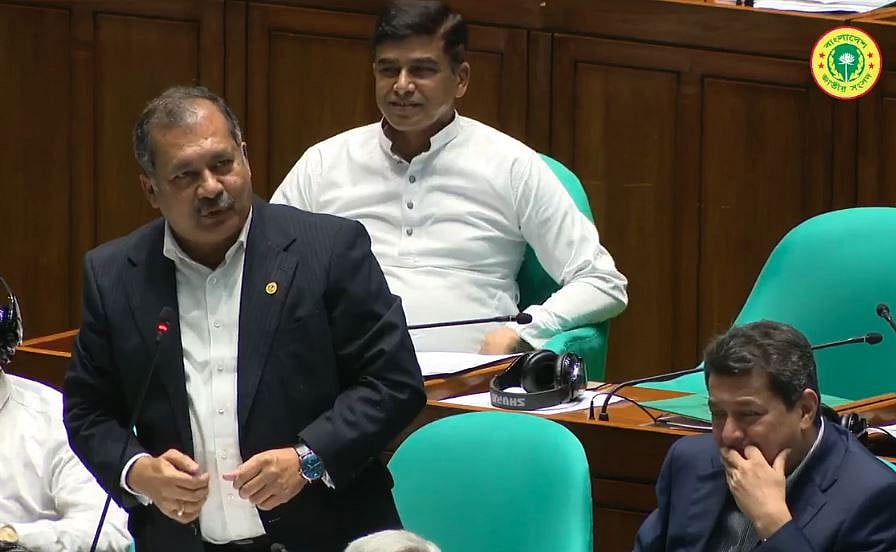
Bangladesh's Minister of Information and Broadcasting, Zahiduz Zaman Swapan, stated in Parliament that the government does not endorse unethical or unprofessional activities conducted under the guise of mobile journalism. He affirmed the government's commitment to ensuring media freedom, professionalism, accountability, and responsible journalism. The minister was responding to a question from Hasnat Abdullah, a Member of Parliament for the National Citizens Party (NCP), on Wednesday.
Minister Swapan also announced proposed amendments to the Press Council Act of 1974 to strengthen and modernize the Press Council. These amendments aim to establish minimum educational qualifications for journalists, introduce a journalist registration system similar to the Bar Council, implement effective provisions for financial penalties against false or unethical news, and grant the Press Council suo motu investigative powers for issues like rumors, fake news, hate speech, or content against national interest. In response to another MP, Selina Sultana, the minister indicated that the government is reviewing and considering necessary revisions to the policy on advertising in electronic media to align with technological advancements, digital broadcasting, online and OTT platforms, and international standards.
Further addressing concerns raised by MP Arifaa Sultana, Minister Swapan explained that content on podcasts, blogging, and influencer-based digital platforms is managed under existing laws and regulations. The government is examining the creation of a contemporary policy framework that balances freedom of expression with public interest amidst rapid digital media growth and technological changes. Separately, Minister of Industries Khondaker Abdul Muktadir informed Parliament that 84 industrial estates have been established across the country, housing 6,358 industrial establishments on 11,687 plots, creating approximately 840,000 jobs. The information minister also noted that Bangladesh has 3,338 registered newspapers, including 1,436 dailies.
The government's stance on mobile journalism signals an intent to regulate emerging digital content creation, balancing freedom of expression with concerns over misinformation and unprofessionalism. Proposed legal reforms, including journalist qualifications and a registration system, aim to professionalize the media landscape. However, such measures could inadvertently stifle independent reporting or create barriers to entry for new voices, particularly in a rapidly evolving digital environment. The government's review of advertising policies and digital content regulations reflects a broader global challenge of adapting traditional media governance to the complexities of the internet era. The focus on balancing public interest with freedom of expression will be critical in shaping a media ecosystem that is both responsible and vibrant over the next decade, especially as AI-generated content becomes more prevalent.
AI-generated to prompt reflection — not editorial opinion, not advice, not a statement of fact. How this works.