Bangladesh MP Expelled from Jamaat Over Personal Video, Locals Celebrate
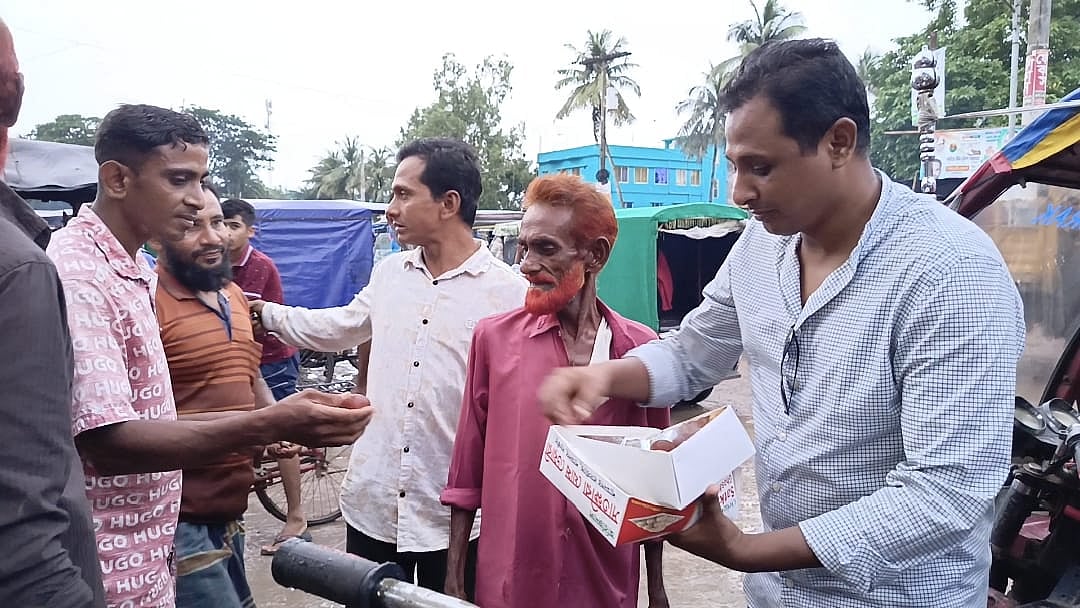
Gazi Nazrul Islam, a Member of Parliament representing the Satkhira-4 constituency, has been expelled from the Bangladesh Jamaat-e-Islami party following the circulation of a personal video on social media. The expulsion was decided during an emergency meeting of the party's central executive council on Wednesday afternoon, citing moral misconduct. Upon hearing the news, local residents in Shyamnagar distributed sweets in celebration. They also demanded exemplary punishment for the MP. BNP activists expressed happiness over the expulsion, stating that the people of Shyamnagar were pleased with the decision due to the MP's alleged moral failings. Following the distribution of sweets, former convener of the Shyamnagar Upazila BNP, Solaiman Kabir, thanked Jamaat for expelling Islam but stressed that party expulsion alone is insufficient. He called for the cancellation of Islam's parliamentary seat and legal action regarding the allegations. Satkhira District Jamaat General Secretary Azizur Rahman welcomed the central decision, emphasizing Jamaat's commitment to moral ideals and expressing confidence that the party's image, though temporarily affected, could be restored through timely actions. The incident has drawn significant attention due to the viral personal video.
The expulsion of MP Gazi Nazrul Islam from Jamaat-e-Islami, triggered by a leaked personal video, highlights the intersection of personal conduct, political accountability, and public perception in Bangladesh. While the party's swift action aligns with its stated moral principles, the public's celebratory reaction underscores a broader societal demand for ethical leadership. This event prompts reflection on the mechanisms for vetting political candidates and the consequences of private actions becoming public spectacles. In the digital age, the rapid dissemination of information, regardless of its veracity or context, poses significant challenges to individuals and institutions alike. Future governance models may need to address the balance between personal privacy and the public trust inherent in elected office, considering the long-term implications for political stability and citizen engagement.
AI-generated to prompt reflection — not editorial opinion, not advice, not a statement of fact. How this works.