Bangladesh Needs Reforms to Boost Competitiveness Post-LDC Graduation, ICCB Chief Says
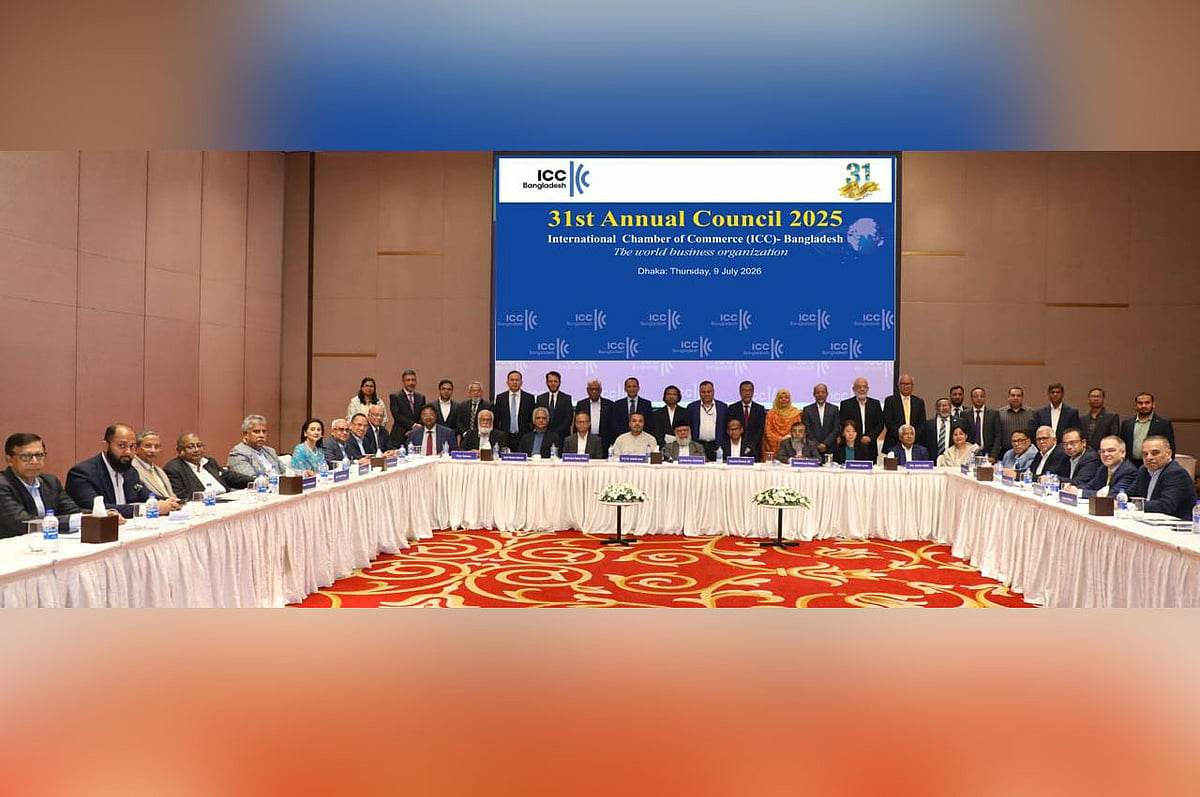
Mahbubur Rahman, President of the International Chamber of Commerce Bangladesh (ICCB), has emphasized the urgent need for reforms to enhance the country's competitiveness following its graduation from Least Developed Country (LDC) status. He stated that to successfully navigate the challenges of the post-LDC era and sustain long-term economic growth, Bangladesh must implement rapid structural reforms, ensure macroeconomic stability, and foster more effective cooperation between the government and the private sector. Additionally, securing Economic Partnership Agreements (EPAs) and Free Trade Agreements (FTAs) with various nations is crucial for maintaining Bangladesh's competitive edge in the global market.
Rahman made these remarks at ICC Bangladesh's 31st Annual Council meeting in Dhaka. The meeting was attended by Prime Minister's Advisor and Spokesperson on the Prime Minister's Office, Mahdi Amin, along with prominent business leaders including Saied Ahmed, Chairman of Global Insurance and President of the Bangladesh Insurance Association (BIA); Kutubuddin Ahmed, Board Member of ICC Bangladesh and Chairman of Envoy Textiles; Anwar-ul-Alam Chowdhury (Parvez), President of the Bangladesh Chamber of Industries (BCI); Mir Nasir Hossain, MD of Mir Akhter Hossain Limited; Mahmud Hasan Khan, President of BGMEA; Mohammad Hatem, President of BKMEA; Syed Nasim Manzur, President of the Footwear Leathergoods and Accessories Exporters Association; Simin Rahman, Vice President of Metro Chamber and CEO of Transcom Group; and Fazlul Hoque, former President of BKMEA.
Rahman highlighted that while Bangladesh's economy has shown considerable stability due to strong remittances, stable exports, and infrastructure development, internal structural weaknesses and global challenges remain significant concerns. He expressed optimism about future economic prospects, noting the IMF's forecast of 4.7% GDP growth for the current year, with potential for further increase if stability and reforms continue. To boost competitiveness, Rahman proposed the construction of a modern elevated expressway between Dhaka and Chittagong, which he believes would expedite goods transportation, reduce costs, enhance export competitiveness, and attract investment.
Bangladesh stands at a pivotal juncture, transitioning from LDC status and seeking to solidify its economic gains. The call for structural reforms and enhanced public-private collaboration underscores the inherent challenges of graduating to a more competitive global economic landscape. While remittances and exports provide a stable foundation, the nation must proactively address internal vulnerabilities and external economic pressures. The proposed infrastructure projects, like the Dhaka-Chittagong elevated expressway, represent potential catalysts for efficiency gains, but their successful implementation will depend on robust governance, transparent procurement, and sustainable financing models. As global trade dynamics evolve, fostering strategic trade agreements will be key to mitigating risks and capitalizing on opportunities, ensuring that Bangladesh's growth trajectory remains resilient in the coming decade.
AI-generated to prompt reflection — not editorial opinion, not advice, not a statement of fact. How this works.