Bangladesh Opposition United on PM Hasina's Extradition, Amidst Election Disputes
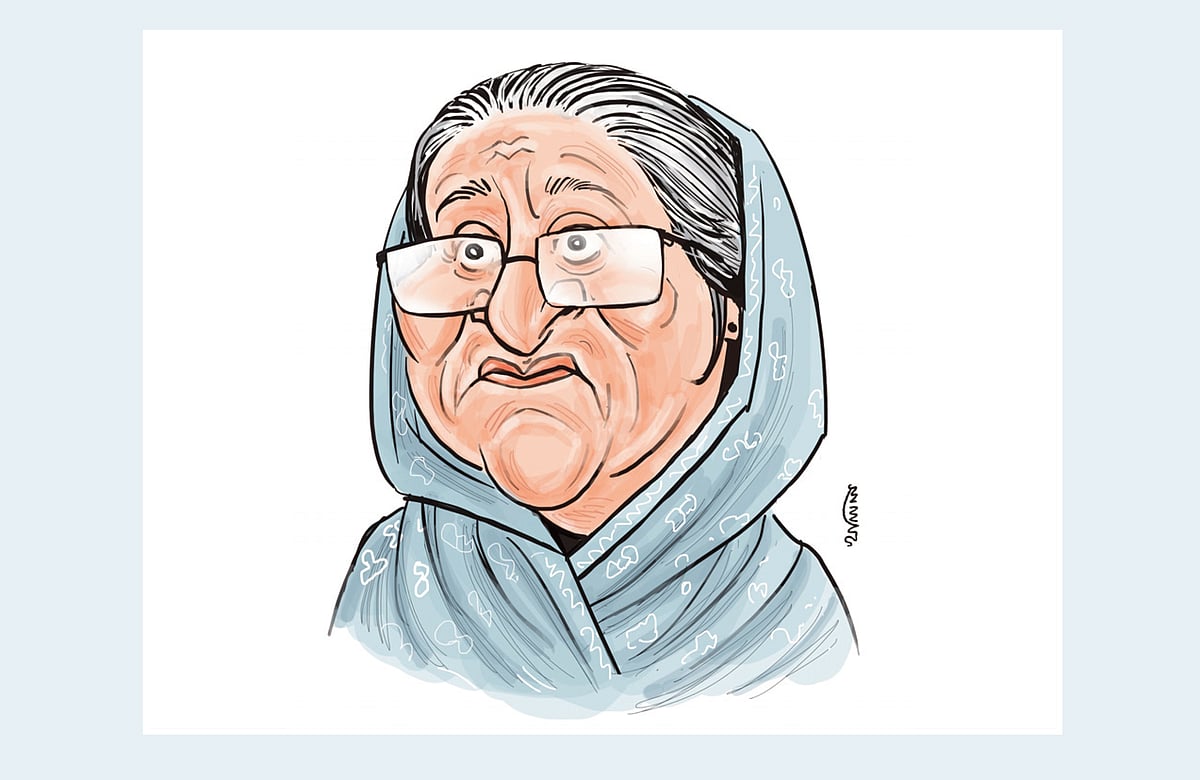
Despite political disagreements between parties in the lead-up to and aftermath of the recent elections, a notable unity persists regarding the potential trial and extradition of Prime Minister Sheikh Hasina. This consensus transcends typical partisan divides, indicating a shared concern or objective among various political factions. The situation highlights a complex political landscape where electoral outcomes are contested, yet specific issues can foster cross-party agreement. The demand for Hasina's trial and extradition suggests underlying grievances or legal challenges that have resonated across the political spectrum. Further details on the specific charges or legal basis for such a demand are not provided in the source material. This unified stance on a significant political figure's legal standing could have implications for domestic stability and international relations, particularly with India, given the historical context of bilateral ties. The source implies that this issue is a key point of contention, potentially shaping future political discourse and actions within Bangladesh.
The convergence of disparate political groups on the issue of Prime Minister Sheikh Hasina's potential trial and extradition, irrespective of electoral disputes, suggests a shared strategic imperative or a deeply ingrained national sentiment. This phenomenon warrants examination through the lens of governance and legal frameworks, particularly concerning the independence of the judiciary and the application of international legal cooperation. The unified opposition stance, while potentially serving domestic political objectives, could also create diplomatic complexities, especially in bilateral relations. Understanding the underlying incentives driving this consensus, beyond immediate electoral gains, is crucial for assessing its long-term impact on Bangladesh's political stability and its position within regional geopolitical dynamics. The situation prompts consideration of how such unified demands interact with established legal processes and international norms, and whether they reflect systemic issues in accountability or are primarily leverage in political contests.
AI-generated to prompt reflection — not editorial opinion, not advice, not a statement of fact. How this works.