Bangladesh Parliament Approves Death Penalty for Online Drug Trafficking
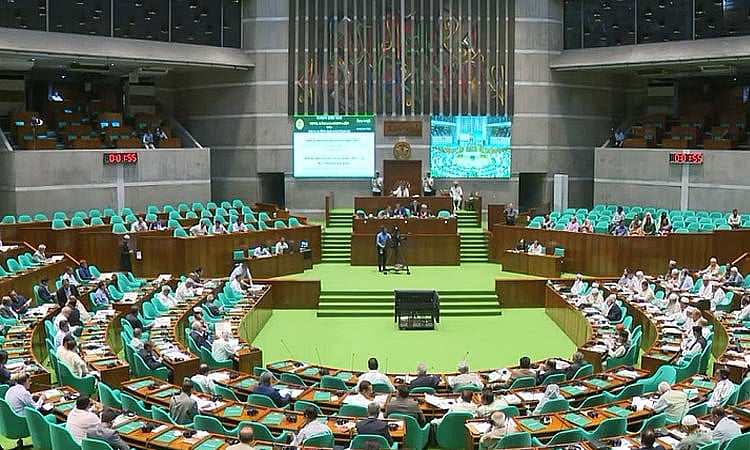
The Parliament of Bangladesh has passed an amendment to the Narcotics Control Act, introducing the death penalty as the maximum punishment for drug offenses committed through cyberspace or digital devices. This new provision specifically targets the illegal purchase, sale, supply, promotion, or transaction of drugs using digital platforms. The amendment was introduced by Home Minister Asaduzzaman Khan Kamal and passed by a voice vote after considering public opinion and amendment proposals. Previously, the death penalty was applicable for specific types and quantities of drugs, but this revision extends it to all online drug-related criminal activities. The bill also includes provisions for the Narcotics Control Directorate to have firearms and establish a dog squad. Furthermore, it reintroduces the provision for establishing separate drug crime suppression tribunals in crime-prone areas, while maintaining the existing legal framework for trials in competent courts. The new law criminalizes any individual who directly or indirectly uses cyberspace, digital devices, websites, social media, mobile applications, online platforms, or any electronic communication system to engage in or attempt to engage in the purchase, sale, supply, advertisement, mediation, or any illegal activity related to drugs or psychoactive substances. The use of digital payment systems, e-wallets, virtual assets, or cryptocurrencies for such activities is also deemed an offense. Crucially, the recovery of drugs from the offender will not be mandatory for prosecution. The penalty for these offenses ranges from imprisonment for any term to a maximum of death, along with a fine of up to 2 million Bangladeshi Taka. If the offense is international in nature or organized by a criminal syndicate, the penalty increases to imprisonment for any term or a fine of up to 5 million Taka, or both. Responding to concerns raised by MPs about law enforcement involvement in drug trade, Home Minister Kamal assured that no one involved would be spared and administrative actions would be taken.
Bangladesh's legislative action to impose the death penalty for online drug offenses reflects a global trend towards harsher penalties for drug-related crimes, amplified by the perceived borderless nature of digital platforms. While aiming to deter sophisticated cyber-enabled drug trafficking, this severe sentencing framework raises questions about proportionality and effectiveness. The inclusion of digital payment methods and cryptocurrencies acknowledges the evolving tactics of illicit markets, but the focus on capital punishment may overshadow the need for robust digital forensics and international cooperation in enforcement. The emphasis on severe punishment, particularly the death penalty, carries significant human rights implications and may not address the underlying socio-economic drivers of drug abuse and trafficking. Future policy considerations might benefit from a balanced approach that combines stringent enforcement with evidence-based prevention, treatment, and rehabilitation programs, alongside enhanced international collaboration to dismantle transnational criminal networks operating in the digital realm.
AI-generated to prompt reflection — not editorial opinion, not advice, not a statement of fact. How this works.