Bangladesh PM's Challenge: Transforming Political Culture
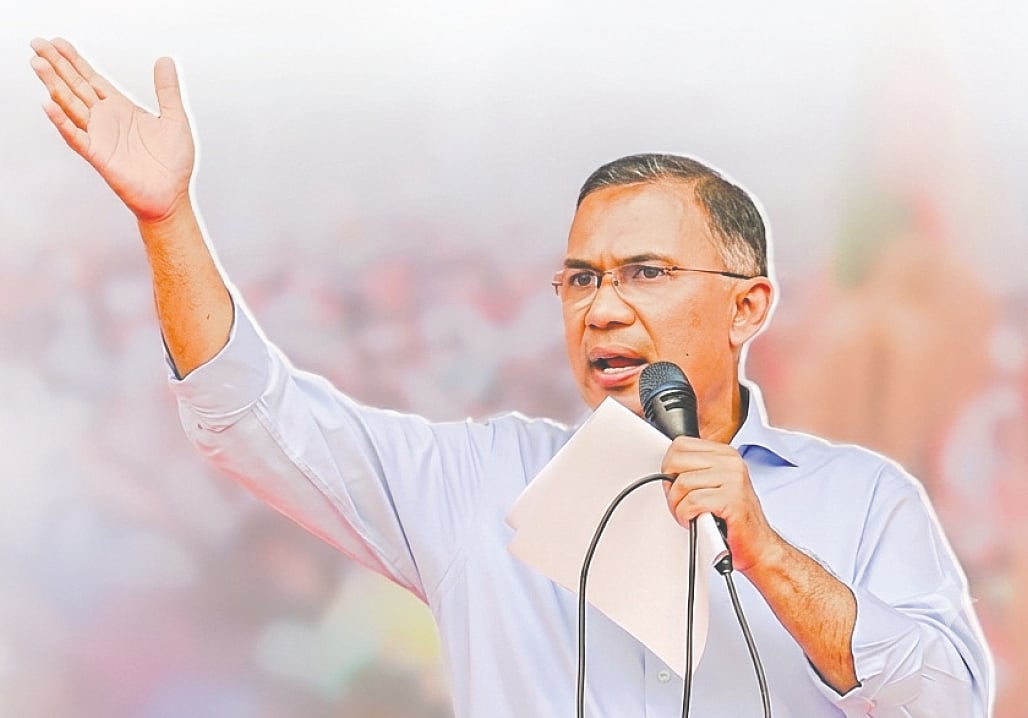
Recent images and videos of Bangladesh's Prime Minister, Tareq Rahman, have captured public attention. These visuals depict the Prime Minister engaging in activities that suggest a shift in political conduct. In various scenes, he is shown carrying his own bags, holding his own umbrella in the rain, and patiently waiting at traffic signals, adhering to traffic laws. Furthermore, the images capture him interacting with children and mingling casually with ordinary citizens. These actions, presented in the media, appear to be part of an effort to project a new image and potentially influence the country's political culture.
The dissemination of images portraying a political leader performing mundane tasks like carrying bags or waiting for traffic signals can be interpreted as a strategic communication effort. Such visuals aim to cultivate an image of accessibility and relatability, potentially challenging traditional perceptions of political leadership. This approach may seek to foster a more grounded political culture, emphasizing public service over ostentation. The effectiveness of this strategy will depend on its perceived authenticity and its ability to resonate with the broader electorate amidst existing societal expectations and political dynamics. Over the next decade, as digital platforms become even more central to political discourse, leaders will increasingly leverage such visual narratives to shape public perception and connect with citizens on a more personal level, navigating the complex interplay between image-making and substantive governance.
AI-generated to prompt reflection — not editorial opinion, not advice, not a statement of fact. How this works.