Bangladesh Power Minister: Canceling Private Power Deals with 'Sovereign Guarantees' is Time-Consuming
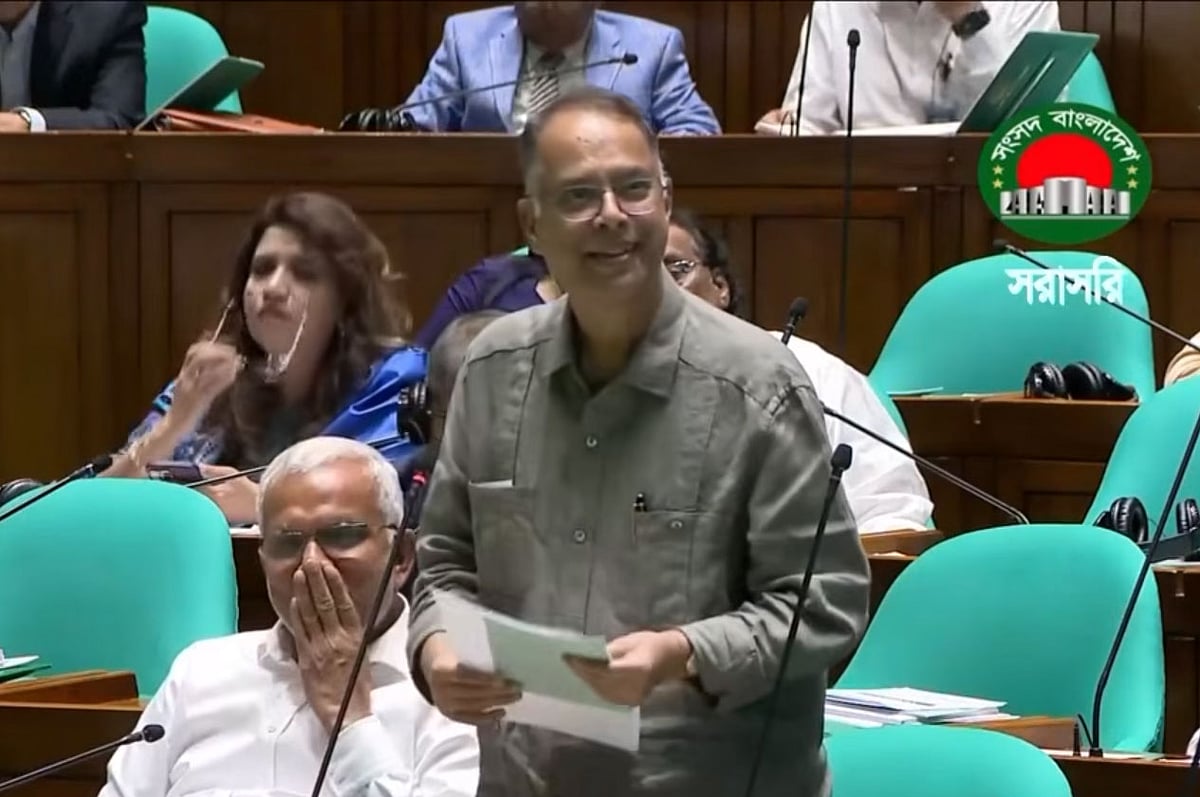
Bangladesh's State Minister for Power, Energy, and Mineral Resources, Iqbal Hasan Mahmud, stated in Parliament that canceling contracts with private power plants is a lengthy process due to 'sovereign guarantees' embedded in the agreements. He explained that these guarantees, essentially state assurances, were provided by the previous administration to private companies awarded power generation responsibilities. The minister addressed a supplementary question from Marfia Momtaz, a Member of Parliament for a reserved women's seat, during a session presided over by Speaker Hafiz Uddin Ahmad.
Mahmud indicated that the government is attempting to negotiate the removal of late payment fees associated with these contracts, expressing optimism for a productive outcome. He also noted that when power plants begin operations, it's difficult to negotiate terms aggressively, so the focus is on reducing prices and securing electricity at more affordable rates for the duration of existing agreements. In response to other questions, the minister confirmed that two committees formed to review power purchase agreements under the Speedy Supply of Power and Energy (Special Provisions) Act, 2010, have submitted separate reports, and actions are being taken based on their recommendations. He clarified that no quick rental power plants are currently operating under new contracts, though some existing ones have renewed contracts on a 'no electricity, no payment' basis after their original terms expired, without incurring capacity charges.
Regarding gas supply, Mahmud informed Parliament that daily gas demand is approximately 3,800 million cubic feet, while the current supply is around 2,700 million cubic feet. This deficit is affecting gas distribution, including in Dhaka. On the international fuel market, the minister observed that while prices have started to decrease following the cessation of conflict, they remain above the break-even point. Consequently, the Bangladesh Petroleum Corporation (BPC) is still incurring daily losses of approximately 78 crore Taka on diesel, octane, and petrol sales. From March to June 23rd, BPC's total losses amounted to 18,699.31 crore Taka. He suggested that fuel prices in the domestic market could be reduced to provide relief to the public once international prices stabilize at a more manageable level.
The Bangladeshi government faces a complex challenge in renegotiating energy contracts signed under previous administrations, particularly those with 'sovereign guarantees.' These state-backed assurances, while potentially facilitating private investment, create long-term fiscal obligations and limit the government's flexibility in managing energy costs. The current administration's efforts to reduce late payment fees and renegotiate prices highlight the tension between honoring existing commitments and seeking more favorable terms for consumers and the state. The minister's comments on gas shortages and ongoing losses in fuel sales underscore the broader energy security and financial pressures confronting the nation. Future energy policy will need to balance the immediate need for reliable supply with the imperative to secure sustainable and cost-effective energy sources, potentially through diversified procurement strategies and enhanced domestic production, while carefully managing the fiscal implications of contractual guarantees.
AI-generated to prompt reflection — not editorial opinion, not advice, not a statement of fact. How this works.