Bangladesh President Resigns Mid-Term, Ahead of PM Hasina's Return
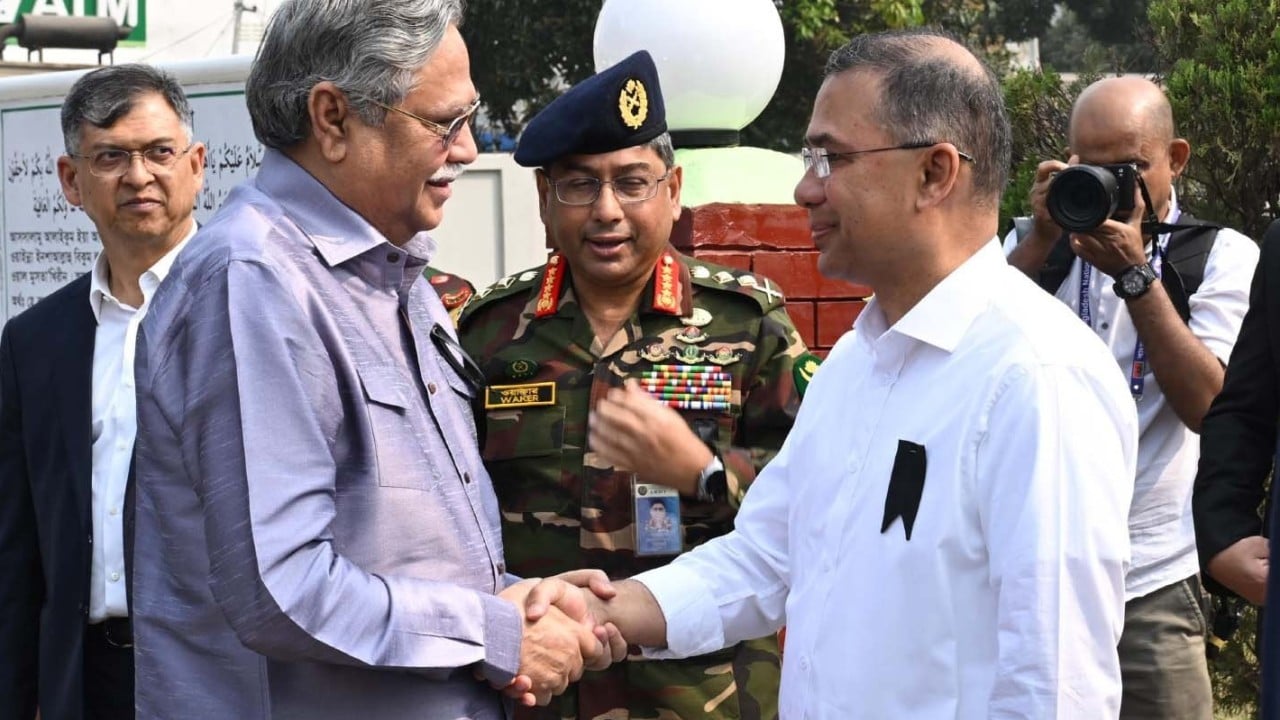
Bangladesh President Mohammed Shahabuddin, who was an ally of former Prime Minister Sheikh Hasina, will resign from his post on Friday. He is stepping down halfway through his term, which was set to conclude in April 2028. His resignation is reportedly due to health reasons, as he can no longer fulfill his duties. This development occurs shortly after Sheikh Hasina announced her intention to return to Bangladesh in December to surrender to authorities. Hasina's planned return follows a court conviction, though the specific details of this conviction are not provided. The President's office in Bangladesh holds a largely ceremonial role. Shahabuddin's departure leaves Hasina in a more isolated political position as she prepares to face legal proceedings.
The resignation of President Mohammed Shahabuddin, a figure previously aligned with Sheikh Hasina, introduces a significant shift in Bangladesh's political landscape. This event, occurring just before Hasina's planned return to face legal consequences, highlights the complex interplay between institutional roles and political maneuvering. The timing suggests potential strategic implications, as Hasina may seek to navigate her legal challenges with a different presidential administration. From a governance perspective, the mid-term resignation of a head of state, even in a ceremonial capacity, can create uncertainty and prompt questions about political stability and succession planning. The situation warrants observation for how these developments might influence the broader trajectory of Bangladeshi politics in the coming years, particularly concerning democratic institutions and the rule of law.
AI-generated to prompt reflection — not editorial opinion, not advice, not a statement of fact. How this works.