Bangladesh Prioritizes Energy Security for Industrial Growth, Says PM's Advisor
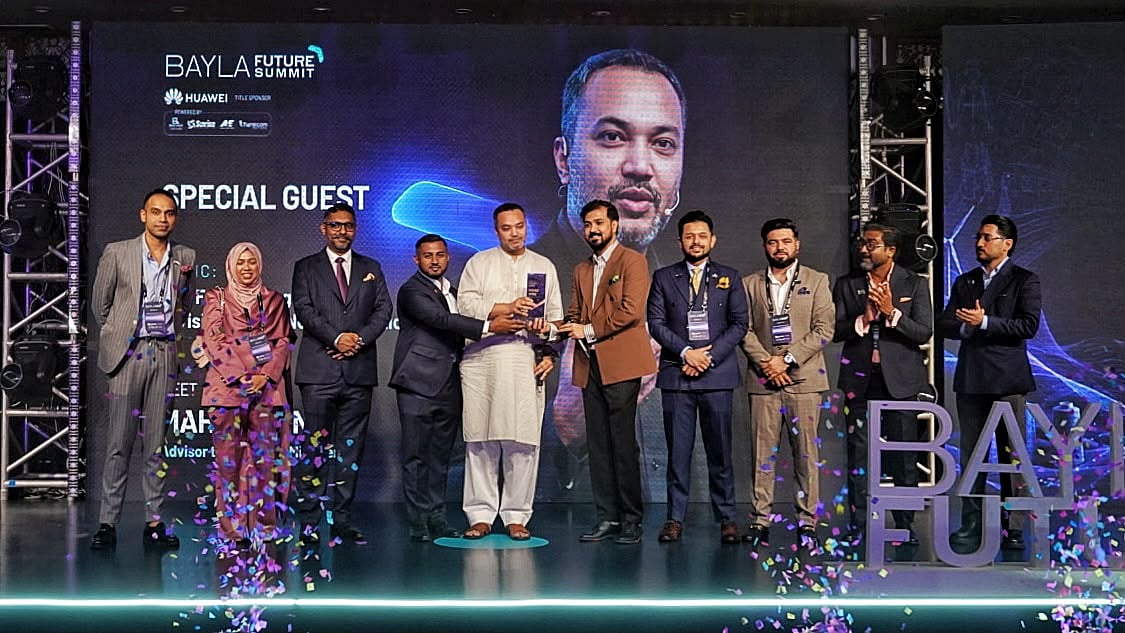
The Bangladeshi government is placing the highest priority on energy security to ensure uninterrupted gas and electricity supply to industrial factories, according to Mahdi Amin, an advisor to the Prime Minister and spokesperson for the Prime Minister's Office (PMO). Amin acknowledged that many factories still face energy issues and pledged commitment to resolving them within a realistic timeframe. He made these remarks as the chief guest at the 'BAYLA Future Summit 2026' organized by the Bangladesh Apparel Youth Leaders Association (BAYLA) in Dhaka. Amin emphasized that reliable energy supply is crucial for sustainable industrial growth and export expansion. He identified Bangladesh's large youth population, vast domestic market, and a stable democratic government as key strengths for attracting investment, but stressed that energy security, improved port efficiency, and reduced business costs are essential to capitalize on these advantages. The government is also implementing structural reforms to establish new industrial parks, simplify bonded warehouse facilities, reduce bureaucratic complexities, and enhance transparency, accountability, and good governance. Amin stated that investment will extend beyond infrastructure to human capital development through education, healthcare, and skills enhancement. During the summit, Nuzhat Anwar, Managing Director of the Dhaka Stock Exchange (DSE), urged entrepreneurs, particularly in the garment and textile sectors, to utilize the capital market for long-term financing alongside bank loans, noting the significant potential to increase the current 1% corporate financing from the stock market. Rahat Ahmed, founder and managing partner of Anchorlistics Bangladesh, encouraged family businesses and large conglomerates to establish professional 'family offices' or investment units for diversified investments in startups, private equity, and other promising sectors. Masrur Riaz, Chairman and CEO of Policy Exchange Bangladesh, presented a six-point roadmap to elevate the country's garment export earnings to $100 billion, warning that over-reliance on limited products and markets poses new risks despite the sector's success. The summit also featured discussions by industry leaders and policymakers on the future of Bangladesh's garment industry, competitiveness, technology, investment, the capital market, human resource development, and sustainable growth. BAYLA also organized its first practical business problem-solving competition, 'BAYLA Future Leaders,' with over 100 university teams participating, culminating in awards presented by State Minister for Primary and Mass Education Bobby Hajjaj and former BGMEA President Faruque Hassan.
The Bangladeshi government's stated prioritization of energy security for industrial growth reflects a common challenge faced by developing economies aiming for export-led expansion. While energy infrastructure is fundamental, the emphasis on attracting investment through policy continuity and human capital development highlights a strategic understanding of broader economic drivers. However, the reliance on a limited product base within the garment sector, as noted by Policy Exchange Bangladesh, presents a systemic risk. Diversification and value-addition, beyond mere production capacity, will be critical for long-term resilience. The call for greater capital market participation by the DSE suggests a need to deepen financial market infrastructure to support ambitious growth targets. Future success will likely depend on balancing immediate energy needs with investments in technological advancement, sustainable practices, and a more diversified export portfolio to navigate global market shifts and reduce dependency on specific sectors or markets.
AI-generated to prompt reflection — not editorial opinion, not advice, not a statement of fact. How this works.