Bangladesh Pursues Good Agricultural Practices for Sustainable Food Systems
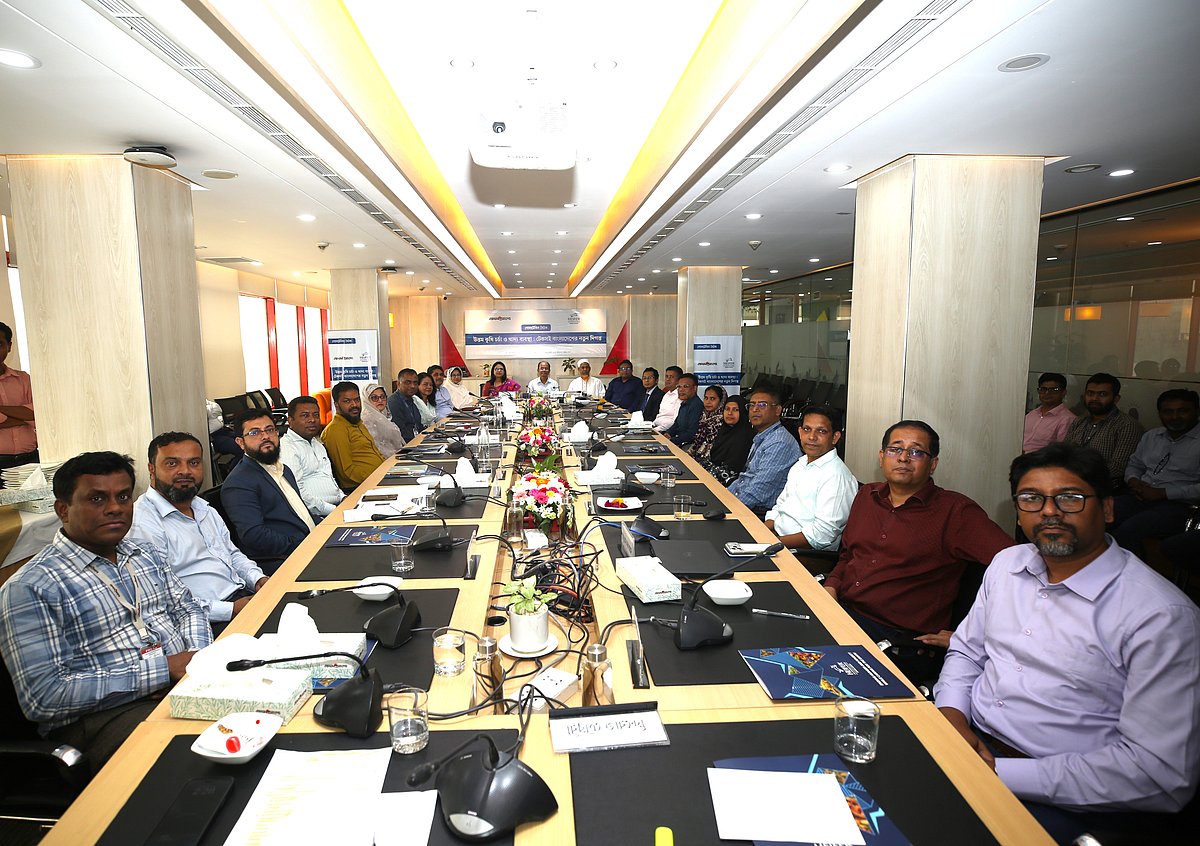
Heifer International Bangladesh and Prothom Alo organized a roundtable discussion on 'Good Agricultural Practices (GAP) and Food Systems: New Horizons for Sustainable Bangladesh' on June 28, 2026, at Prothom Alo's office in Dhaka. The event highlighted the progress made in implementing GAP since the policy was formulated in 2020, with standards finalized in 2023. A significant achievement is the growing public expectation around GAP within just three years. However, realizing this potential requires collective effort from farmers, government and private institutions, researchers, development partners, and the media. GAP is viewed as a collaborative initiative, not the program of a single entity. Efforts are underway to strengthen market systems alongside production, with initiatives like marketing corners for GAP products at the district level and sales in Dhaka's farmer's markets. Increased participation from large retail chains could further incentivize producers. The focus is shifting towards group certification rather than individual certification, with an easier application process through উপজেলা (Upazila) agricultural offices, though stricter adherence to documentation and regulations is needed. Social media and mass media are crucial for raising awareness among producers, transporters, wholesalers, retailers, and consumers. Adhering to GAP ensures safe, quality food production, contributing to public health by reducing diseases associated with poor food quality. Heifer International Bangladesh emphasizes supporting farmer families, particularly through women's cooperatives, by enhancing their technical skills, governance, and financial management, and connecting them with financial institutions. Ensuring fair prices for farmers is critical for their continued engagement in safe food production, addressing the current reality where many farmers discourage their children from entering the profession due to lack of fair compensation, support, and dignity. The Bangladesh Agricultural Research Council (BARC) plays a key role in coordinating research, developing technology, and providing policy support for GAP implementation, having developed national GAP standards and protocols. Challenges such as limited laboratory capacity, fragmented landholdings, and inadequate infrastructure are being addressed, alongside the introduction of group certification. The Food and Agriculture Organization (FAO) supports Bangladesh's national agricultural policy and GAP guidelines, aligning with its goals of improved production, nutrition, environment, and livelihood. However, challenges in implementation remain, including aligning with international standards, capacity building, and investment. The continued use of 25 highly hazardous pesticides, many internationally banned, and the need to balance chemical fertilizers with organic alternatives are critical concerns. Enhancing traceability through digital farmer cards is seen as a way to link GAP information to product origin, potentially enabling incentives for compliant farmers. The Netherlands Embassy in Dhaka advocates for integrating GAP into daily habits, emphasizing that while the government provides the framework, private sector involvement is essential for successful business operations.
The initiative to implement Good Agricultural Practices (GAP) in Bangladesh represents a structured approach to enhancing food safety, quality, and sustainability within the agricultural sector. This multi-stakeholder effort, involving government bodies, NGOs like Heifer International, research institutions, and the private sector, aims to modernize farming methods and improve farmer livelihoods. Key challenges identified include market access, fair pricing for producers, and the need for broader awareness and adoption of GAP principles across the entire value chain. The analysis suggests that while policy frameworks are in place, effective implementation hinges on overcoming infrastructural limitations, ensuring robust monitoring of pesticide use, and fostering a business-oriented environment that incentivizes private sector participation. Future success will likely depend on integrating technological advancements for traceability and addressing the systemic issues that currently disincentivize farmers from pursuing safer, more sustainable practices, thereby building resilience against future food security challenges.
AI-generated to prompt reflection — not editorial opinion, not advice, not a statement of fact. How this works.