Bangladesh Railways Plans to Increase Services on Cox's Bazar Route and Reduce Dhaka-Chittagong Travel Time
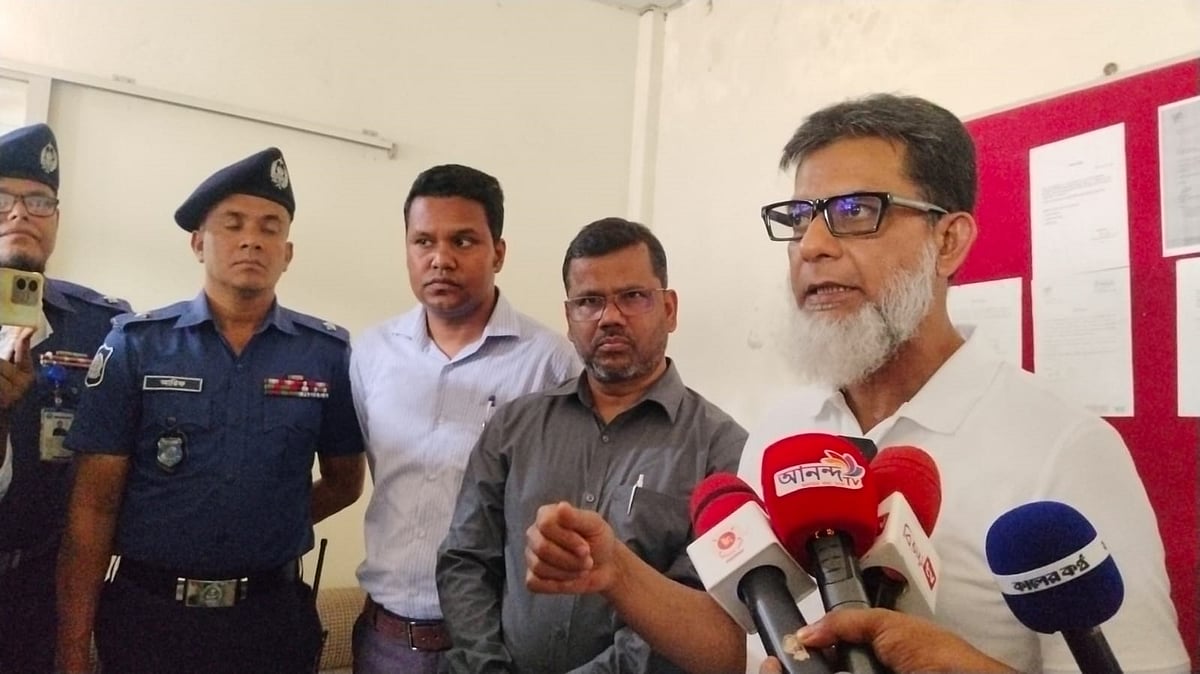
Bangladesh's State Minister for Railways, Habibur Rashid, has announced plans to increase the number of trains operating on the Cox's Bazar route and reduce travel time on the Dhaka-Chittagong railway line. Currently, four pairs of trains run between Cox's Bazar and the mainland. The ministry intends to raise this to five pairs to meet passenger demand, with preparations underway for this expansion. The specific routes for the new trains, whether connecting directly from Dhaka or from Chittagong, are yet to be determined.
In parallel, the ministry is exploring options to shorten the Dhaka-Chittagong journey. A feasibility study is in progress for a new chord line between Narayanganj and Comilla, which could reduce the distance by approximately 80 kilometers and cut travel time by about 1 hour and 20 minutes. The minister also stated that no new leases will be granted on railway land, and existing leases will be reviewed, with cancellations initiated where legally feasible. Future plans include developing railway land for solar power projects and other public interest initiatives.
Improving punctuality is a primary goal, with efforts to maximize the use of existing railway capacity to enhance passenger services. Investigations are ongoing into the causes of train delays, which are expected to yield improvements for travelers. The ministry is also considering outsourcing the operation of the iconic, shell-shaped Cox's Bazar railway station to the private sector after assessing its effectiveness and public accessibility. Furthermore, the minister addressed environmental concerns, noting that efforts are being made to compensate for the approximately 240,000 trees cut during the construction of the Chittagong-Cox's Bazar railway line, including reviewing the survival rate of planted trees and initiating new afforestation programs through collaboration with various organizations. Any allegations of irregularities or corruption within the railway system will be investigated and addressed.
The proposed enhancements to the Cox's Bazar railway service and the Dhaka-Chittagong line reflect a strategic effort to boost regional connectivity and economic activity, leveraging infrastructure development to improve passenger experience and potentially stimulate tourism and trade. The initiative to reduce travel times and increase service frequency aligns with broader national goals of modernizing transportation networks. The consideration of private sector involvement in station management suggests an exploration of operational efficiencies and service quality improvements, though careful governance will be crucial to ensure public benefit. The commitment to environmental remediation, specifically addressing tree loss through compensatory afforestation, signals an acknowledgment of the ecological impact of infrastructure projects and a move towards more sustainable development practices. Future success will hinge on effective project execution, transparent procurement processes, and robust oversight to mitigate risks of inefficiency or corruption.
AI-generated to prompt reflection — not editorial opinion, not advice, not a statement of fact. How this works.