Bangladesh Reverts Village Names, Highlighting Plight of Rakhaine Community
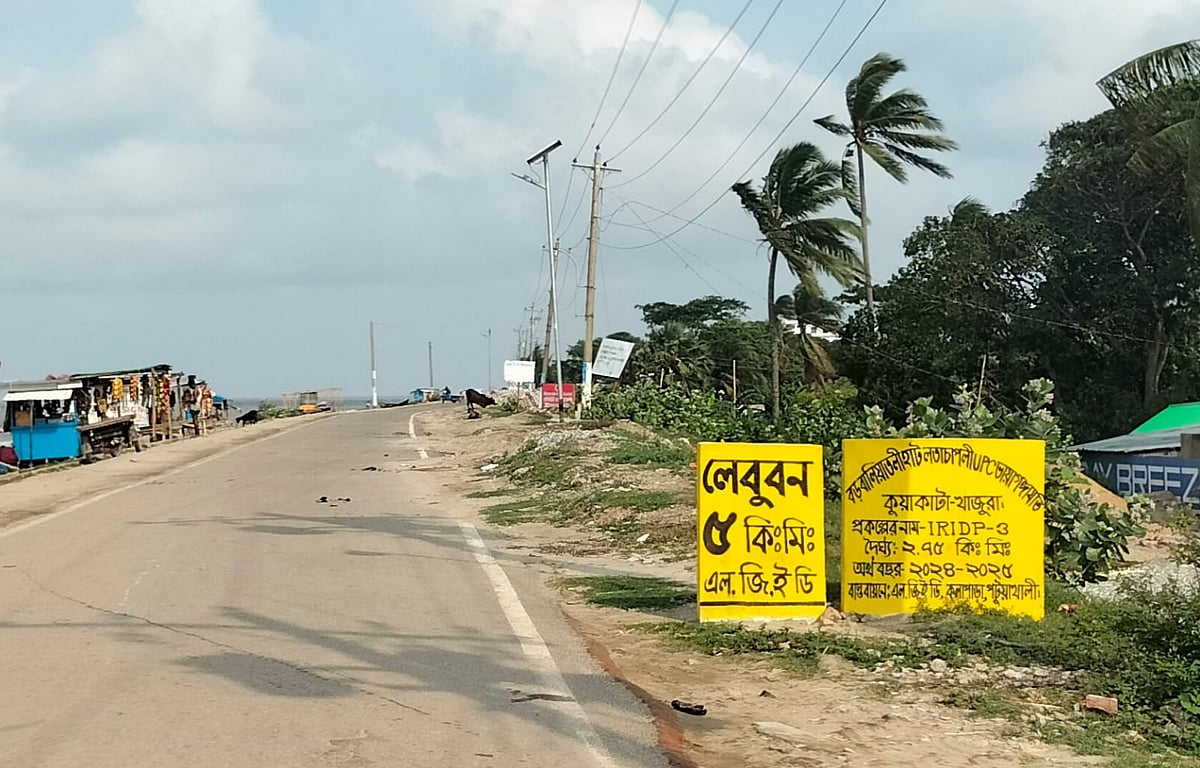
Following a directive from the Prime Minister, controversial names of three newly formed unions in Shibganj and Mokamtala upazilas of Bogura have been changed. This action raises questions about whether this state-led reversal of imposed names will be replicated nationwide or remain confined to Bogura. Many Rakhaine settlements in Patuakhali and Barguna have also had their names forcibly altered. For instance, the Rakhaine name for Kuakata's ancient coastal village, 'Nangiri Roa' (meaning village of dark-skinned people), was changed to 'Naioripara'. Similarly, 'Lum Fru's Forest,' named after a Rakhaine elder who cultivated the area, was renamed 'Lebur Bon' (Lemon Forest) by Bengalis, despite the absence of lemon trees. Rakhaine individuals express distress over the erasure of their heritage, questioning the rationale behind these changes. The community has faced significant land encroachment, with their villages, farmlands, ponds, religious sites, and burial grounds being occupied. The Rakhaine population in Bangladesh has seen a steady decline, from approximately 17,000 in the 1991 census to 13,610 in 2022. This cultural assimilation extends to place names across the Barisal division, where numerous Rakhaine names have been replaced with Bengali ones, often based on superficial interpretations like the presence of certain trees rather than historical or cultural significance. The article cites examples like 'Amtoli' (from Rakhaine 'Amphrui') becoming 'Amtoli', 'Tatli' (meaning 'boundary' in Rakhaine) becoming 'Taltali', and 'Kewhllapara' and 'Khaprupara' being renamed 'Kolapara' and 'Khepupara' respectively, after Rakhaine brothers. The renaming of Rakhaine villages like 'Mao Pru Sai Roa' to 'Pokhiyapara' and 'Nge Sue Gung' (meaning 'place of birds, gold, and height') to 'Mishripara' further illustrates this trend. The article argues that such cultural appropriation hinders rather than helps tourism development in Rakhaine regions and urges local governments to restore the original Rakhaine place names as a crucial step in supporting the local tourism industry and acknowledging national history.
The forced renaming of Rakhaine settlements reflects a broader pattern of cultural assimilation and historical revisionism, potentially driven by a desire to homogenize national identity or facilitate economic development through the erasure of indigenous heritage. While official directives to revert names offer a potential correction, they may not address the underlying systemic pressures that led to the original impositions. The declining Rakhaine population and the loss of ancestral lands, as detailed in the report, suggest that place name changes are symptomatic of deeper socio-economic and political marginalization. Future policy should consider mechanisms for robust community consultation and legal protections for indigenous place names, acknowledging them as integral to national history and cultural diversity, rather than mere administrative labels. This approach could foster genuine reconciliation and ensure that development initiatives respect, rather than erode, the cultural fabric of minority communities.
AI-generated to prompt reflection — not editorial opinion, not advice, not a statement of fact. How this works.