Bangladesh's Automotive Industry Eyes New Horizons
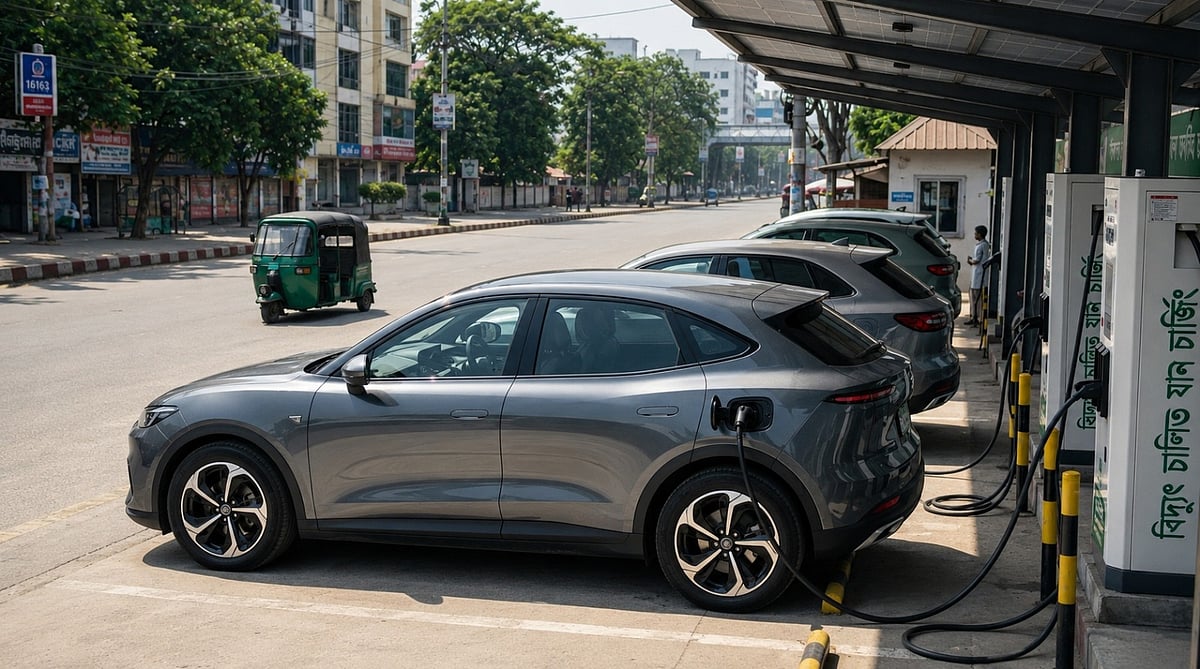
Just two decades ago, Bangladesh's road transportation system was almost entirely dependent on fossil fuels. However, the landscape has begun to shift, signaling a new era for the nation's automotive industry. This transition indicates a growing awareness and potential for diversification in the country's energy consumption for transportation. The move away from complete reliance on fossil fuels suggests an evolving industrial strategy and a potential embrace of newer technologies within the automotive sector. This development could lead to significant changes in manufacturing, infrastructure, and consumer choices in the coming years. The shift also points towards potential environmental benefits and a reduction in dependence on imported fossil fuels. Further details on the specific technologies or investment driving this change are not provided, but the overarching trend indicates a significant evolution in Bangladesh's approach to transportation and its associated industries. This nascent transformation in the automotive sector is a key indicator of broader economic and technological advancements within Bangladesh.
The transition of Bangladesh's automotive sector away from complete fossil fuel dependency, as observed over the past two decades, reflects a global trend toward decarbonization and energy diversification. This strategic shift, while nascent, could position Bangladesh to leverage emerging technologies in electric mobility and alternative fuels, potentially reducing its reliance on volatile global oil markets and mitigating environmental impacts. The long-term success will depend on robust policy frameworks, infrastructure development, and fostering domestic manufacturing capabilities to ensure sustainable growth and technological advancement in the coming decade.
AI-generated to prompt reflection — not editorial opinion, not advice, not a statement of fact. How this works.