Bangladesh's Diplomacy: Balancing Global Relations for National Interest
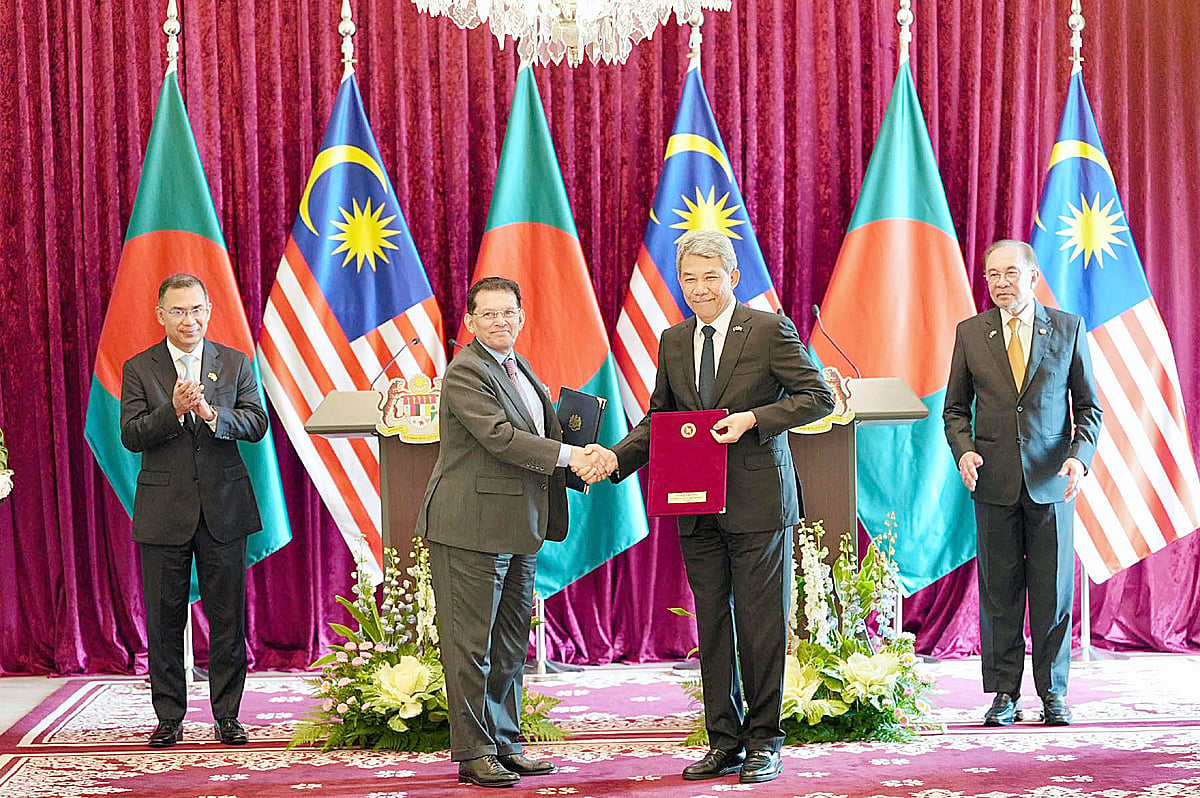
Bangladesh seeks to cultivate multifaceted relationships with key global players, including India, China, ASEAN economies, the Muslim world, and Western nations. This diplomatic strategy is driven by the need to secure national interests across various sectors such as trade, education, technology, and democratic support. The country aims to foster historical and labor market-based ties with the Muslim world, while pursuing commercial, educational, technological, and democratic assistance from Western countries. This approach of maintaining diverse international connections is not indicative of indecisiveness but rather represents a mature strategic maneuver for a small to medium-sized state. The overarching goal is to leverage these varied relationships for the nation's comprehensive development and advancement.
Bangladesh's foreign policy appears to be navigating a complex geopolitical landscape by diversifying its international partnerships. This strategy of engaging with multiple global powers, including rivals like India and China, suggests a pragmatic approach to maximizing economic and strategic opportunities. For a developing nation, such a balanced stance can mitigate risks associated with over-reliance on any single superpower. However, maintaining these diverse relationships requires careful diplomatic calibration to avoid perceived alignment shifts that could alienate key partners. The long-term success will depend on Bangladesh's ability to translate these diplomatic overtures into tangible benefits for its citizens, while upholding its national sovereignty and interests in an increasingly interconnected world.
AI-generated to prompt reflection — not editorial opinion, not advice, not a statement of fact. How this works.