Bangladesh's Endangered Rengmitccha Language Nears Extinction with Only Two Fluent Speakers Left
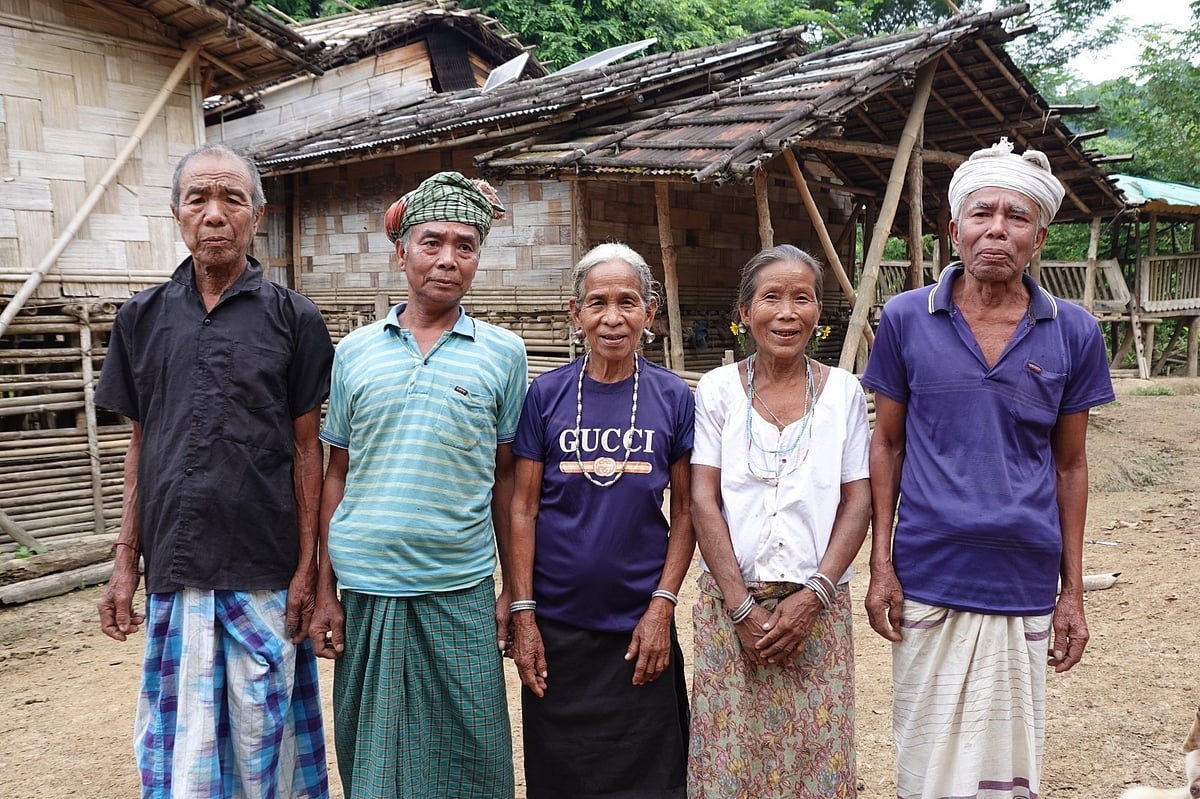
The Rengmitccha language, spoken by a dwindling number of people in Bangladesh, is on the brink of extinction. Previously, six individuals from the Mro ethnic group in Bandarban were fluent speakers, a number that had reduced to just three, all brothers from the same family. Following the recent death of one of these brothers, Mangwai Mro, on May 5th at the age of 66, only two fluent speakers remain: his brothers Mangphung Mro (74) and Rengphung Mro (70). In addition to these two, seven other individuals can understand or speak the language partially. Researcher Afsana Ferdous from Trinity College Dublin, who is conducting PhD research on Rengmitccha, confirmed that her field survey identified two fluent speakers, three individuals at a semi-fluent level, and four with basic knowledge, totaling nine living speakers. However, she noted that the language is no longer sustained within any single family unit. The remaining fluent speakers live in separate Mro-speaking villages, and even within these communities, they reside in different households. The decline of Rengmitccha is attributed to historical epidemics of smallpox and cholera during the late British colonial and early Pakistani periods, which decimated Rengmitccha communities and led to survivors integrating into larger Mro-speaking villages. This assimilation, coupled with periods of unrest in the 1980s that caused further displacement, resulted in the loss of Rengmitccha as a primary family language. Researchers emphasize the urgent need for initiatives such as encouraging younger generations to learn the language, developing a script, collecting vocabulary, and fostering its use in family settings to prevent its complete disappearance.
The precipitous decline of the Rengmitccha language highlights the fragility of linguistic diversity in the face of demographic shifts and historical traumas. While the immediate cause of endangerment is the small number of fluent speakers, systemic factors like forced assimilation, displacement due to conflict and disease, and the lack of intergenerational transmission within families have accelerated its demise. The current situation underscores a broader challenge: how to revitalize languages when their speakers are dispersed and integrated into dominant linguistic communities. Future efforts will likely require innovative approaches to language documentation, educational programming tailored to dispersed populations, and potentially the creation of new cultural or community structures that can support the language's revival. The long-term viability of Rengmitccha, like many endangered languages, will depend on proactive, community-driven initiatives that address both the practicalities of language learning and the socio-cultural factors that sustain a language's vitality.
AI-generated to prompt reflection — not editorial opinion, not advice, not a statement of fact. How this works.