Bangladesh's New Pay Scale: A Dream of Reduced Corruption vs. Harsh Reality
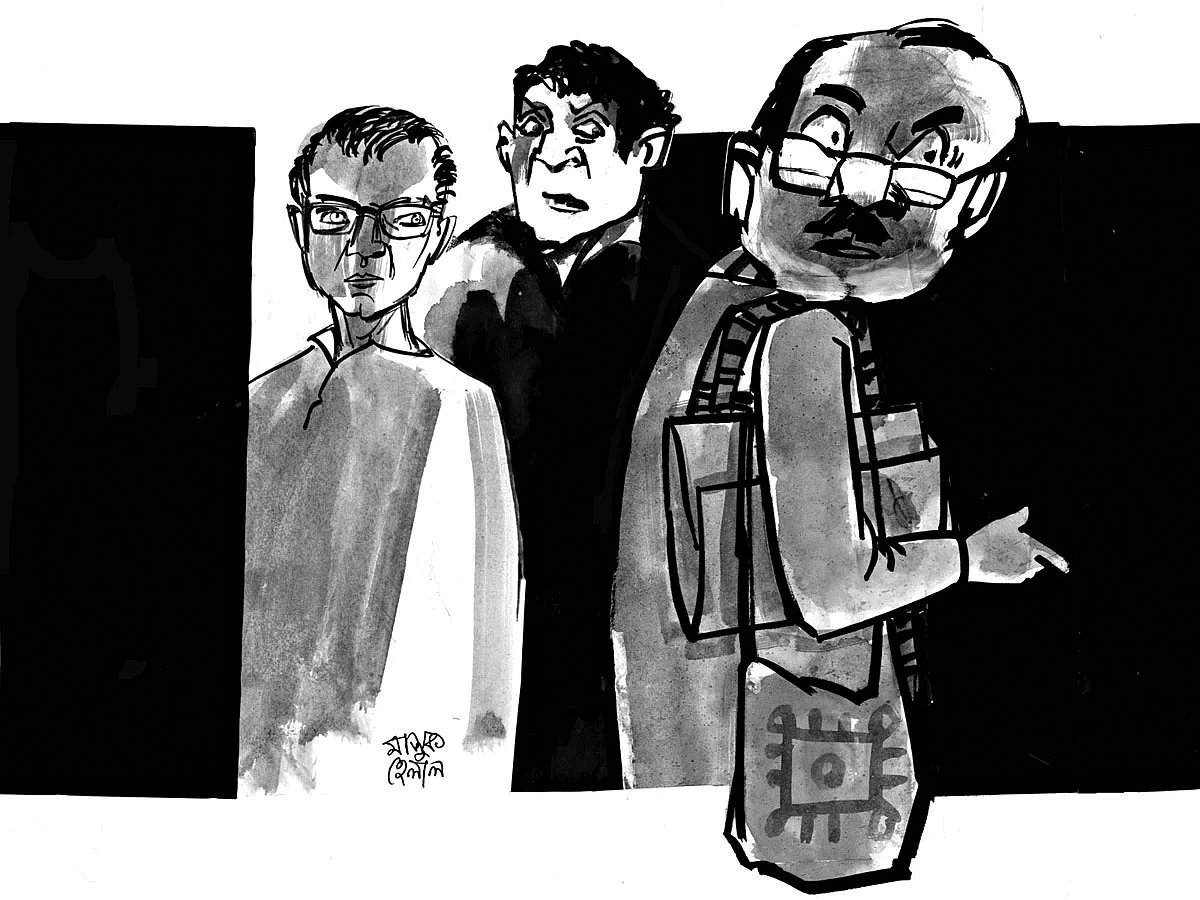
The article uses the narrative of Mokched Saheb, who dreams of a Bangladesh free from corruption, to explore the potential impact of the proposed Ninth National Pay Scale. In his dream, Mokched Saheb experiences a day where government offices function efficiently, traffic police are diligent, doctors arrive on time and forgo private practice during work hours, and public servants perform their duties without soliciting bribes. This idealized scenario is attributed to a hypothetical 100% salary increase for government employees, leading to reduced corruption and increased efficiency. However, Mokched Saheb awakens to the stark reality presented by newspaper headlines detailing numerous corruption allegations against public officials, including accusations of accumulating vast wealth, involvement in tender fraud, and money laundering. The article acknowledges that the government's initiative to increase salaries after 11 years is timely, especially for lower and middle-grade employees facing rising living costs. It argues that while fair compensation is essential for a dignified life, increased salaries alone may not eradicate corruption, as many high-ranking officials with ample benefits have also been implicated in corrupt practices. The author suggests that greed, abuse of power, weak accountability, and the lack of fear of punishment are significant drivers of corruption. The piece highlights the existence of numerous honest public servants who continue to serve diligently despite challenging circumstances. Ultimately, the article posits that while salary increases are a necessary part of the solution, they must be accompanied by robust accountability, swift and impartial justice, regular audits, transparency in public services, and the widespread adoption of technology to digitize services and reduce opportunities for bribery. The dream of a corruption-free Bangladesh, as envisioned by Mokched Saheb and millions of citizens, requires good governance, the impartial application of law, effective accountability, and an unwavering stance against corruption.
The article presents a compelling narrative contrasting a hopeful vision of reduced corruption through increased public sector salaries with the persistent reality of systemic graft in Bangladesh. While acknowledging the necessity of fair compensation for public servants, the analysis suggests that salary hikes alone are insufficient to address deeply entrenched issues. The core problem appears to lie not solely in financial need but in incentive structures that permit and even encourage illicit gains, coupled with weak enforcement mechanisms. The proposed pay scale, while potentially alleviating some financial pressures, may not fundamentally alter the calculus for those motivated by greed or the perception of impunity. Future reforms should therefore focus on strengthening accountability frameworks, ensuring swift and transparent judicial processes, and leveraging technology to create auditable, less opaque service delivery systems. This approach would address the 'fear of punishment' deficit and reinforce the value of integrity, thereby creating a more sustainable path toward public trust and efficient governance.
AI-generated to prompt reflection — not editorial opinion, not advice, not a statement of fact. How this works.