Bangladesh's Passion: Divided Loyalty Between Brazil and Argentina Fuels World Cup Frenzy
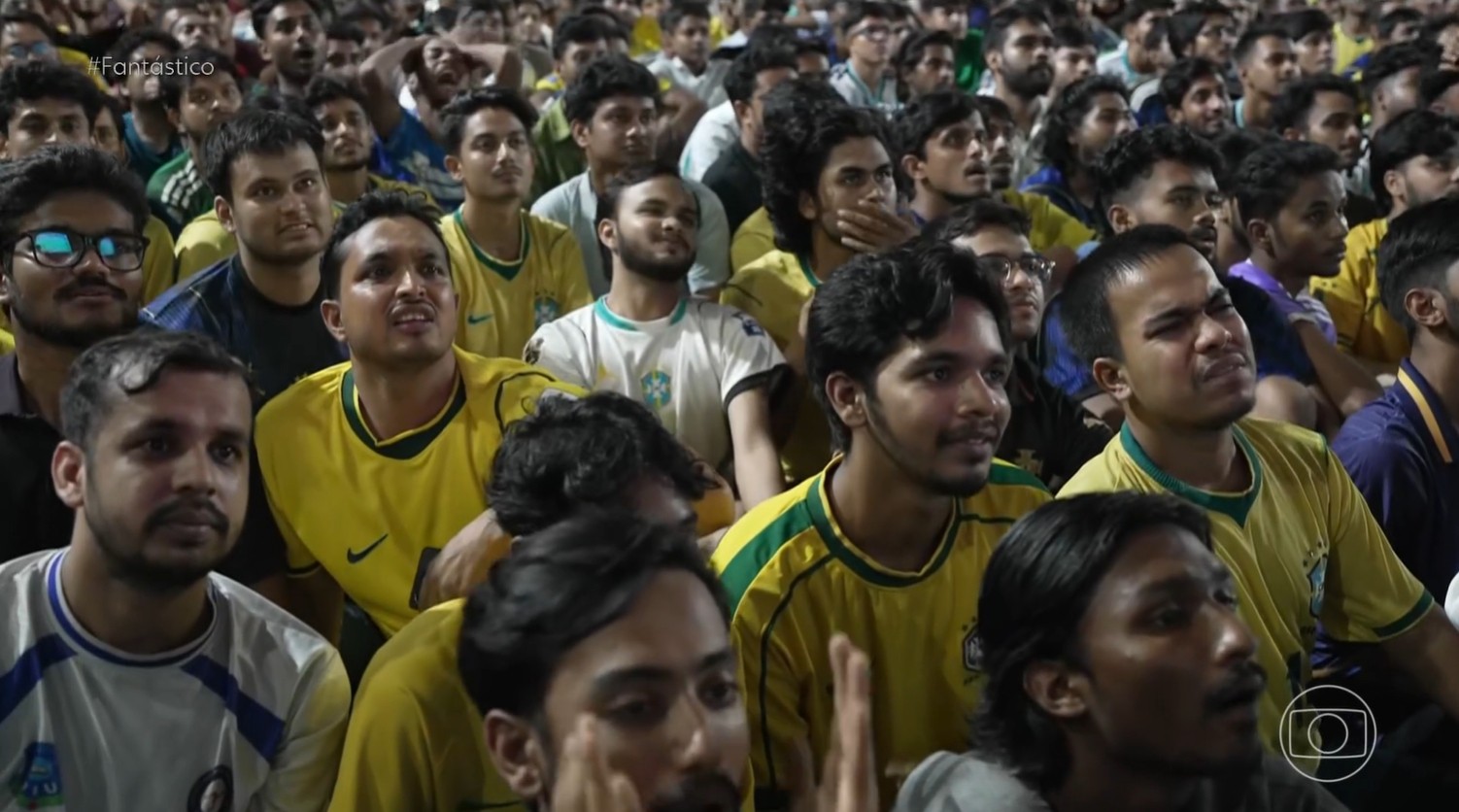
Despite never qualifying for the FIFA World Cup, Bangladesh exhibits an extraordinary passion for South American football, transforming the capital city of Dhaka into a vibrant spectacle every four years. Millions of Bangladeshis are estimated to form one of the largest fan bases for Brazil outside its own borders, following the national team with intense fervor. This cultural phenomenon splits the nation between supporting Brazil and Argentina, with the green and yellow of Brazil a common sight, integrated into the urban landscape. Informational charts detailing World Cup groups and knockout stages are publicly displayed for residents. The historical connection to Brazilian football began with Brazil's third World Cup title in 1970, a time when Bangladesh was fighting for its independence from Pakistan. Pelé became a football deity for the nation, symbolizing emancipation for a people seeking freedom. The impact was so profound that the first president of Bangladesh mandated the translation of Pelé's biography for mandatory school reading. While cricket is the national sport and the local football league has limited appeal, foreign flags dominate streetscapes during the World Cup. Argentina's influence grew significantly starting in 1986, largely due to Diego Maradona's iconic performances, particularly the 'Hand of God' goal against England. This victory resonated with Bengalis, who saw it as a symbolic historical counterpoint to their experience as part of the former British colony. Current generational divides are evident, with older generations favoring Brazil and younger fans supporting Argentina, drawn by Lionel Messi. Journalists note that Argentine jerseys currently account for 60% of World Cup uniform sales, compared to Brazil's 40%. Public squares fill with enthusiastic crowds watching matches in the early morning hours, regardless of the time difference, demonstrating the deep-seated passion for the sport.
The fervent support for South American football teams in Bangladesh, a nation with no direct World Cup participation, highlights a powerful cultural phenomenon driven by historical narratives and iconic sporting figures. The identification with Brazil's 1970 victory during the country's struggle for independence, and later with Argentina's 1986 triumph, suggests that national identity and aspirations can be projected onto global sporting events. This dynamic illustrates how distant cultural touchstones can foster deep emotional connections, transcending geographical and even political boundaries. The shift in preference towards Argentina among younger generations, influenced by contemporary stars like Messi, indicates the evolving nature of fandom and the continuous cycle of sporting heroes shaping collective consciousness over time. This phenomenon offers a lens into how globalized media and shared cultural narratives can create strong, albeit indirect, national allegiances.
AI-generated to prompt reflection — not editorial opinion, not advice, not a statement of fact. How this works.