Bangladesh's Population: From Burden to Asset
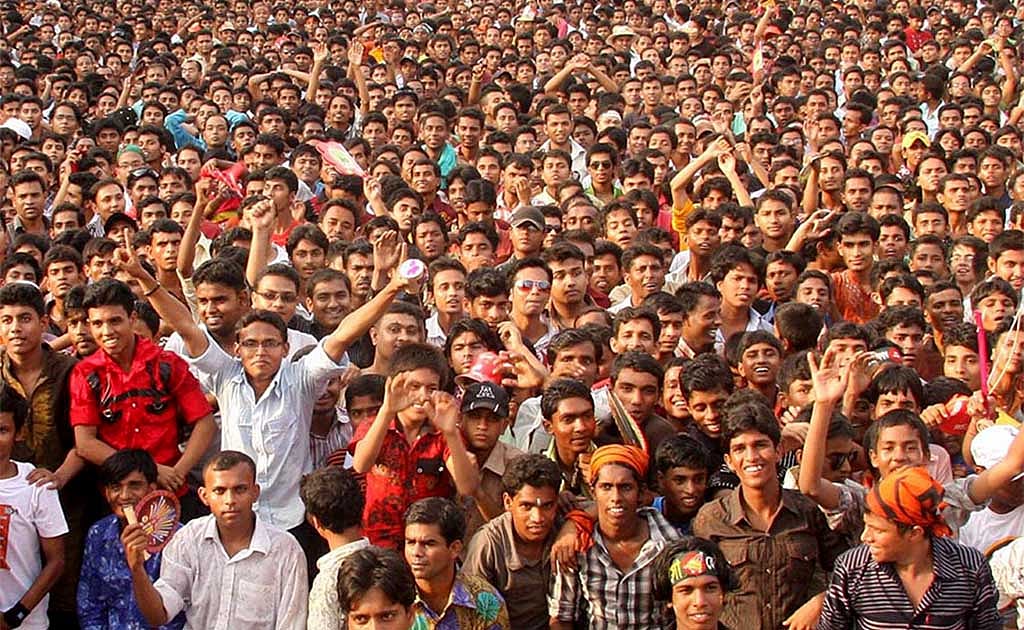
Often, it is said that people are a nation's greatest asset. This statement is frequently heard in Bangladesh. On the occasion of World Population Day on July 11, this point will be reiterated. However, just as people can be a country's asset, they can also become a burden in certain circumstances. The potential for a population to be a resource or a burden depends on how it is managed and developed. A well-educated, healthy, and skilled populace can drive economic growth and innovation. Conversely, a large population without adequate resources, education, and employment opportunities can strain public services and infrastructure. Therefore, strategic planning and investment in human capital are crucial for transforming demographic potential into tangible national wealth. Bangladesh, like many developing nations, faces the challenge of harnessing its large population for sustainable development.
The demographic dividend hinges on effective human capital development. While a large population presents potential, its realization as an asset requires substantial investment in education, healthcare, and job creation. Failure to adequately address these areas can indeed transform demographic potential into a societal burden, straining resources and hindering progress. Future policy must focus on creating an environment where citizens can contribute productively, aligning population dynamics with sustainable economic and social development goals. The challenge lies in proactive governance that anticipates demographic shifts and implements forward-thinking strategies to maximize societal benefit.
AI-generated to prompt reflection — not editorial opinion, not advice, not a statement of fact. How this works.