Bangladesh's Primary Healthcare Transformation: Lessons from US Experience
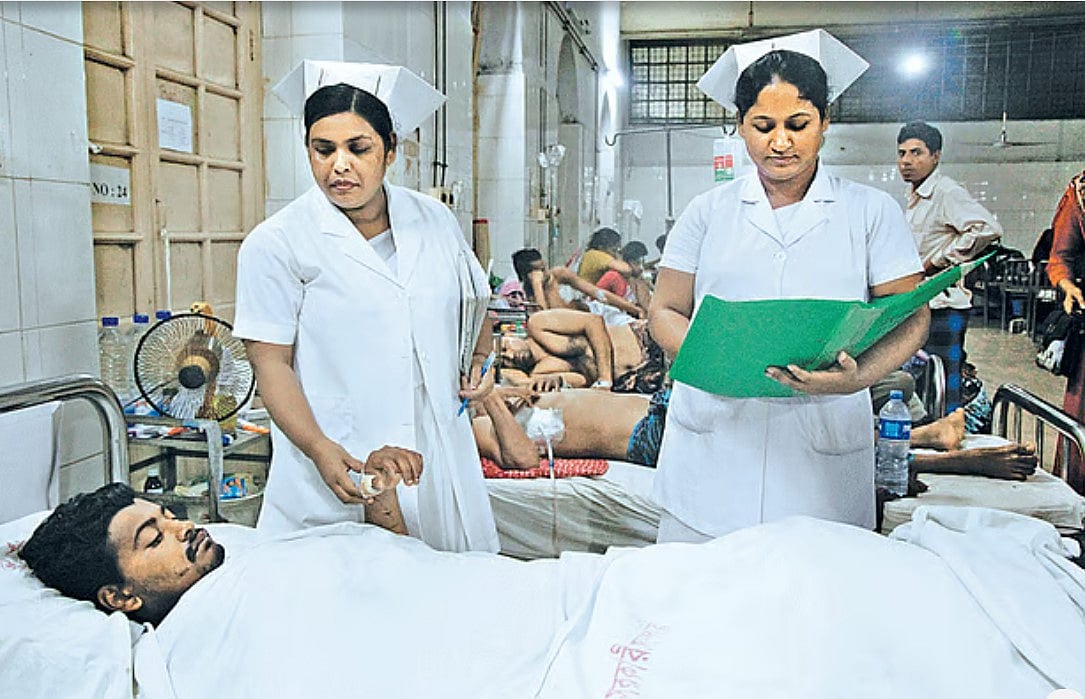
Primary healthcare systems form one of the strongest foundations of any health system. This article explores the potential for transforming Bangladesh's primary healthcare sector by drawing lessons from the experiences of the United States. The focus is on how to build a robust primary healthcare network that can effectively serve the needs of the Bangladeshi population. The aim is to identify strategies and best practices that can be adapted to the local context. The transformation of primary healthcare is crucial for improving overall health outcomes and ensuring equitable access to medical services across the country. By examining successful models and understanding their underlying principles, Bangladesh can potentially accelerate its progress in strengthening its health infrastructure. This approach emphasizes preventative care, early diagnosis, and continuous patient management, which are hallmarks of effective primary healthcare. The article suggests that a strategic review of existing services and a willingness to adopt innovative approaches are key to achieving this transformation. Ultimately, the goal is to create a more resilient and responsive healthcare system for all citizens.
The article proposes leveraging international experience, specifically from the United States, to enhance Bangladesh's primary healthcare system. This approach highlights a common strategy of seeking external best practices to address domestic challenges in public health infrastructure. The underlying incentive for such a transformation likely stems from the recognized benefits of robust primary care, including improved population health outcomes, reduced long-term healthcare costs, and greater health equity. By examining the US model, Bangladesh may identify opportunities to strengthen its own system, potentially through policy reforms, resource allocation, or technological integration. However, a critical consideration will be the adaptability of US-based strategies to Bangladesh's unique socio-economic and cultural context. The next decade's focus on digital health and preventative care could offer new avenues for implementing these lessons effectively, ensuring that any adopted strategies are sustainable and scalable within the nation's specific constraints and opportunities.
AI-generated to prompt reflection — not editorial opinion, not advice, not a statement of fact. How this works.