Bangladesh Seeks 3-Year LDC Graduation Extension Amidst Global Challenges
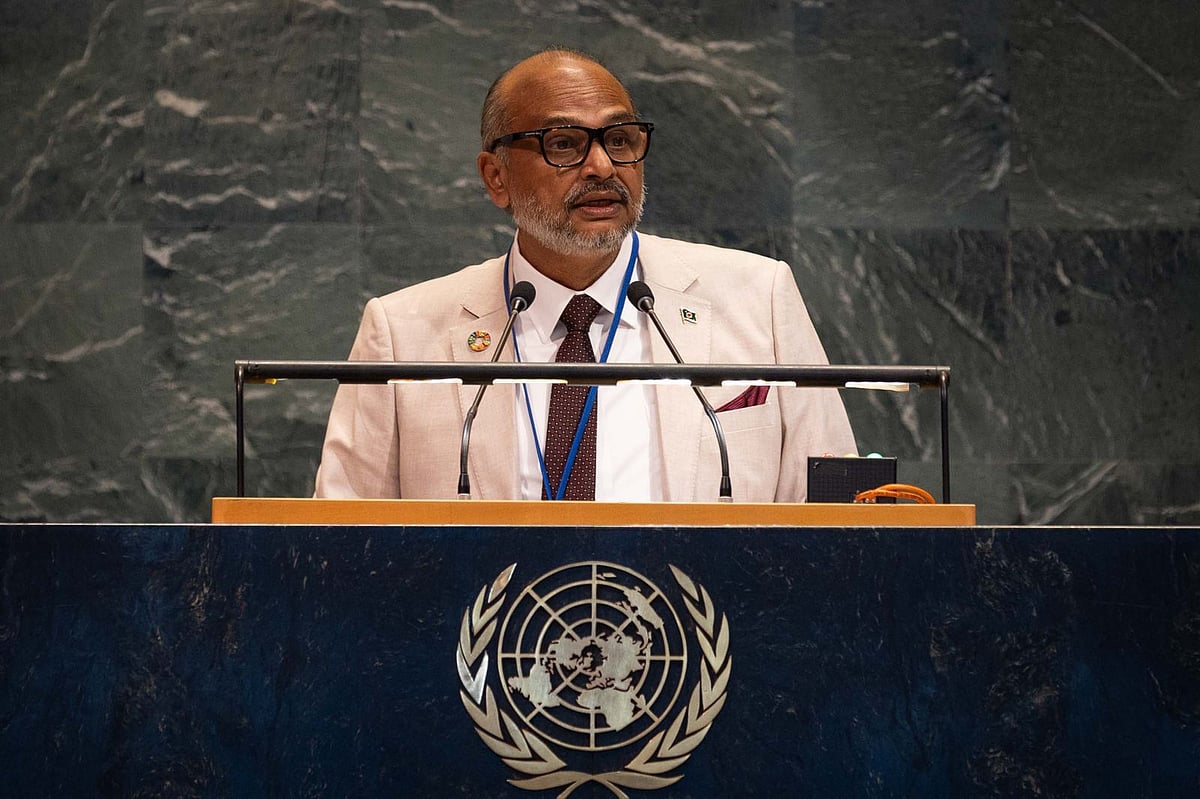
Bangladesh, along with Nepal, has requested an additional three years to transition out of the Least Developed Country (LDC) status, extending the deadline to November 2029. Prime Minister's Economic and Planning Advisor, Rashed Al Mahmud Titumir, stated that this extension is not a luxury but a strategic necessity to ensure macroeconomic stability, implement a smooth transition strategy, and strengthen necessary reforms amidst unprecedented political, economic, environmental, and global shocks. He emphasized that the current global challenges are hindering progress towards the Sustainable Development Goals (SDGs) by 2030, making the situation particularly critical for LDCs. Long-standing structural weaknesses, the escalating impact of climate change, increasing debt burdens, limited fiscal capacity, declining Official Development Assistance (ODA), the digital divide, and restricted access to affordable financing are continuously impeding development efforts. Titumir highlighted that these issues not only jeopardize the implementation of the 2030 Agenda but also risk the Doha Programme of Action's objective of sustainably graduating more LDCs by 2031. He presented five priorities for urgent action on behalf of the LDC group, including increasing concessional financing, reforming the international financial architecture, ensuring accessible climate finance, preserving and expanding market access, and bridging the digital and technological divide through enhanced cooperation. These priorities aim to address the multifaceted challenges faced by LDCs and facilitate their sustainable development.
The request for an extended LDC graduation timeline reflects systemic vulnerabilities within the global economic order, particularly for developing nations facing compounding crises. The advisor's articulation of challenges—climate change, debt, limited fiscal space, and digital disparity—highlights the inadequacy of current international support structures to facilitate a truly 'smooth' transition. The emphasis on strategic necessity over luxury underscores the inherent tension between national development aspirations and the conditionalities of international frameworks. Looking ahead, the increasing frequency and intensity of global shocks necessitate a re-evaluation of graduation criteria and support mechanisms to ensure that progress is not reversed and that a more resilient and equitable global system is fostered. The proposed priorities offer a framework for addressing these systemic issues, but their effective implementation will depend on the political will and financial commitment of the international community.
AI-generated to prompt reflection — not editorial opinion, not advice, not a statement of fact. How this works.