Bangladesh Snapshots: Dust, Dengue Risk, Rural Life, and Innovation on July 31, 2026
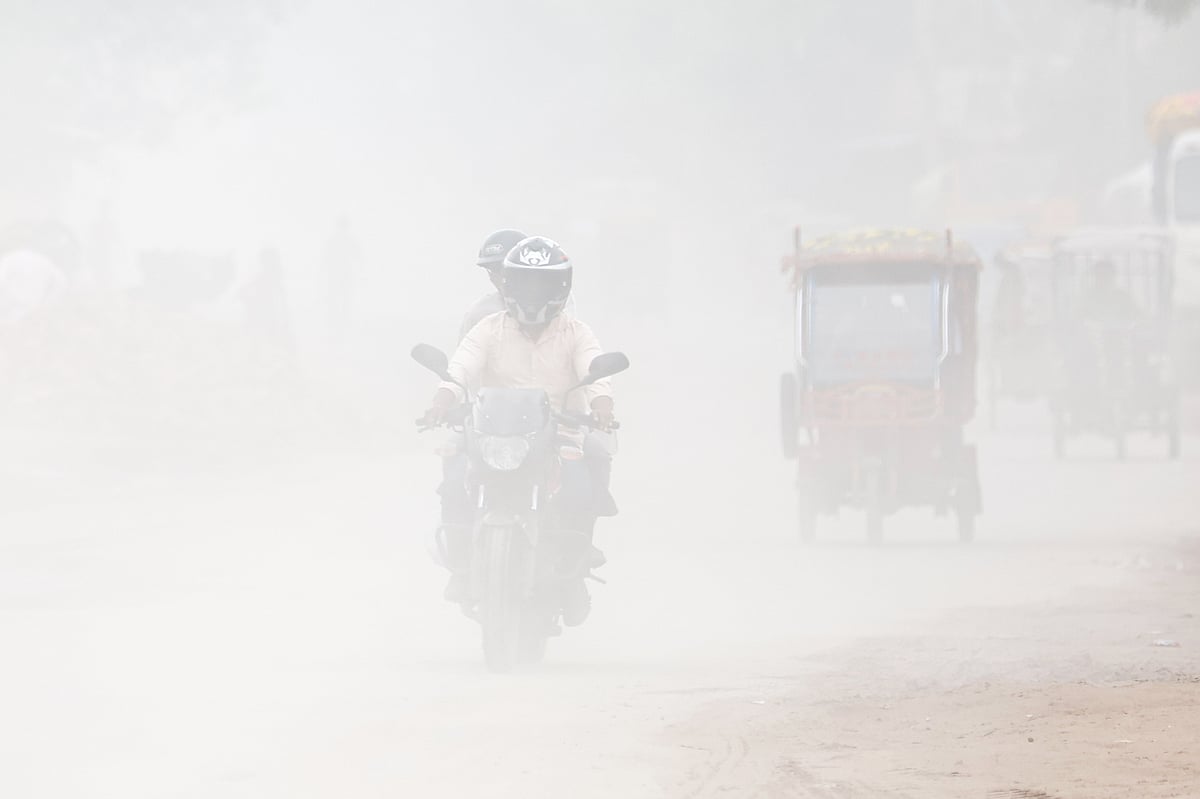
Despite monsoon rains on July 31, 2026, Dhaka's dust persisted, causing discomfort for pedestrians and drivers due to vehicle emissions. In other parts of the capital, stagnant rainwater collected in roadside boats posed a breeding ground for mosquito larvae, increasing the risk of Dengue fever. Rural scenes across Bangladesh depicted traditional agricultural practices, with farmers in Bogura separating jute fibers and herding cattle. In Khulna, women and children gathered fish from flooded fields, while others in Rangpur harvested shrimp fry from the Sholmari River for aquaculture. Farmers in Rangpur also used oxen and buffaloes for plowing fields and selected betel leaves for sale. The tourism sector in Pirojpur saw boatmen waiting for visitors along the Atghor-Kuriana canal during the monsoon season. Meanwhile, natural beauty was evident with blooming rain lilies in Rangamati and Manikuntala flowers in Moulvibazar. In Rangamati, a woman sold handmade fans made of thread, cloth, bamboo, and cane, noting increased demand due to frequent power outages and heat. A unique, compact tin house measuring 85 feet long and 5 feet wide, built on a single hundredth of a land, gained local attention and was dubbed the 'viral house' in Daudkandi, Cumilla.
This collection of vignettes from Bangladesh on July 31, 2026, highlights the intersection of environmental challenges, traditional livelihoods, and emerging societal trends. The persistent dust in Dhaka and the Dengue risk from stagnant water underscore the ongoing urban environmental management issues faced by rapidly developing cities. Simultaneously, the scenes from rural areas showcase the resilience of traditional agricultural economies, while the 'viral house' and the demand for handmade fans point to innovative adaptations to resource constraints and changing consumer needs. These snapshots collectively illustrate the complex interplay between climate, infrastructure, economic activity, and human ingenuity in a developing nation, suggesting a need for integrated policy approaches that address both environmental sustainability and socio-economic adaptation.
AI-generated to prompt reflection — not editorial opinion, not advice, not a statement of fact. How this works.