Bangladeshi Astronomer Tanima Tasnim Featured by Scientific American
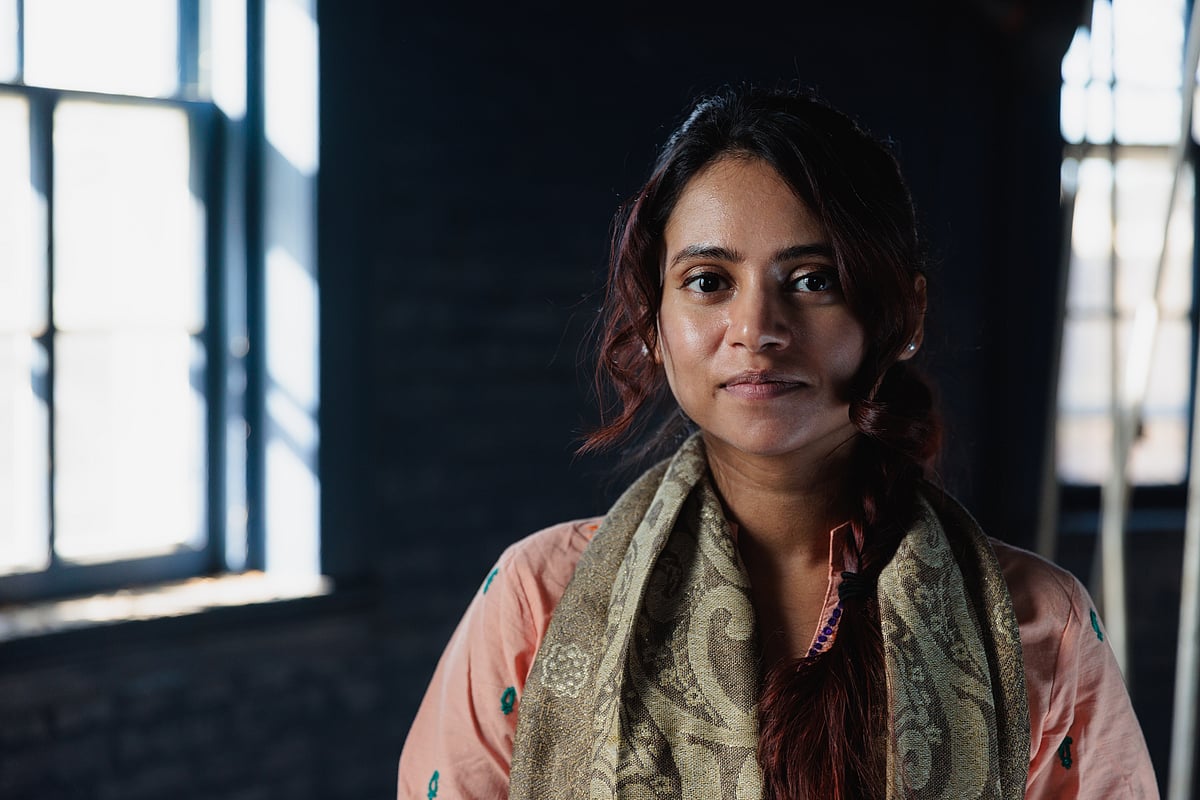
Bangladeshi astronomer Tanima Tasnim has been recognized by the prominent American science magazine Scientific American as one of 28 young scientists whose future research could change the world. Featured in the July/August issue's "The Future of Science," Tasnim's work focuses on supermassive black holes. She investigates their growth and influence on galaxies since the Big Bang. Tasnim's early fascination with the night sky, sparked by power outages in her childhood Dhaka neighborhood, led her to dream of becoming an astronaut. While that specific dream remains unfulfilled, she has pursued a career in astrophysics. She is currently conducting research at Wayne State University in the United States. Previously, Tasnim was named one of Science News' "10 Scientists to Watch" in 2020, and her research was recognized as highly popular and frequently downloaded by The Astrophysical Journal. Her academic background includes studies at prestigious institutions like the University of Cambridge, Haverford College, and Yale University, where she earned her PhD under Claudia Megan Urry, a former president of the American Astronomical Society. Tasnim has also completed internships at NASA and CERN. Beyond her research and teaching at Wayne State University, she is dedicated to supporting aspiring scientists from Bangladesh, having mentored her first Bangladeshi PhD student and collaborating with organizations like Y-STEM (Women in Science, Technology, Engineering, Mathematics). Her childhood interests included extensive reading across various genres, drawing, and music, all of which contributed to her vivid imagination and passion for space.
Scientific American's recognition of Tanima Tasnim highlights the increasing global prominence of researchers from diverse backgrounds in fundamental scientific fields. The magazine's framing, emphasizing potential world-changing discoveries, underscores a common narrative in science communication that seeks to inspire public interest and investment. Tasnim's dual role as a researcher and educator, coupled with her commitment to mentoring students from her home country, reflects a growing trend of scientists engaging in broader societal contributions beyond their immediate research. This approach, while beneficial for talent development and international collaboration, also presents a challenge in balancing intensive research demands with extensive outreach and mentorship activities. The long-term impact of such recognition and mentorship programs will depend on sustained institutional support and the evolving landscape of scientific funding and global research priorities.
AI-generated to prompt reflection — not editorial opinion, not advice, not a statement of fact. How this works.