Bangladeshi engineers design components for Apple, Intel, and AI products
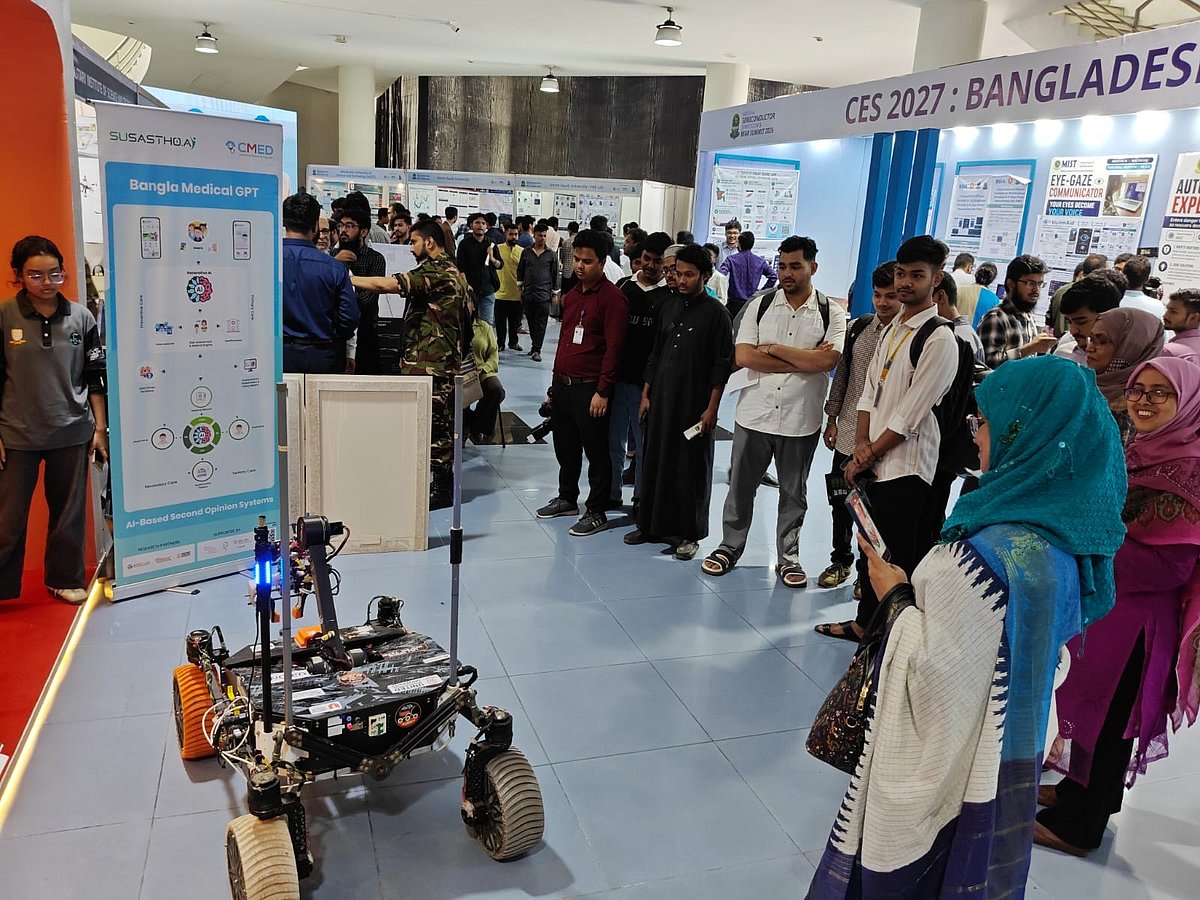
Bangladeshi engineers are now designing components for global tech giants like Apple, Intel, and Samsung, with local companies fulfilling orders from their offices in the United States, Germany, and Malaysia. This growing expertise has attracted interest from foreign investors, though local semiconductor entrepreneurs are seeking a more favorable investment environment and policy support. These insights emerged during the 'National Semiconductor Symposium and BEAR Summit 2026' held in Dhaka. The two-day event featured 35 participating companies and was organized by the Bangladesh Semiconductor Industry Association (BSIA), the Ministry of Science and Technology, and Silicon River Bangladesh. Currently, the sector employs approximately 1,200 engineers across 22 BSIA member companies, with a plan to expand to 10,000 engineers and achieve $1 billion in exports by 2030. The industry's current export revenue stands at $10 million, with a target of $1 billion by 2030. Ulkacemi, a firm with 600 engineers and offices in multiple countries, partners with Taiwan's TSMC for design work and is designing chips for companies including Apple. Prime Silicon, another major firm with over 120 engineers, designs chips for Intel and Samsung. Neural Semiconductor is developing low-power AI chips and camera sensors, primarily for the US market. The symposium also showcased innovations from government institutions, such as the Bangladesh Oceanographic Research Institute's work on commercial seaweed cultivation for pharmaceuticals and cosmetics, alongside student projects from various universities.
The burgeoning semiconductor design sector in Bangladesh, evidenced by its work for major international firms, highlights a potential shift in global technology supply chains. While the ambition to reach $1 billion in exports by 2030 is significant, achieving this goal will depend on overcoming systemic challenges. Foreign investment interest suggests a recognition of local talent, but bureaucratic hurdles and the need for supportive government policies are critical factors. The industry's growth trajectory will be shaped by its ability to foster a robust ecosystem that not only attracts capital but also nurtures advanced research and development. Future success will likely involve navigating complex international trade dynamics and ensuring a consistent pipeline of highly skilled engineers, particularly in the rapidly evolving field of AI hardware.
AI-generated to prompt reflection — not editorial opinion, not advice, not a statement of fact. How this works.