Bangladeshi Man Lured to Russia, Now Held as POW in Ukraine
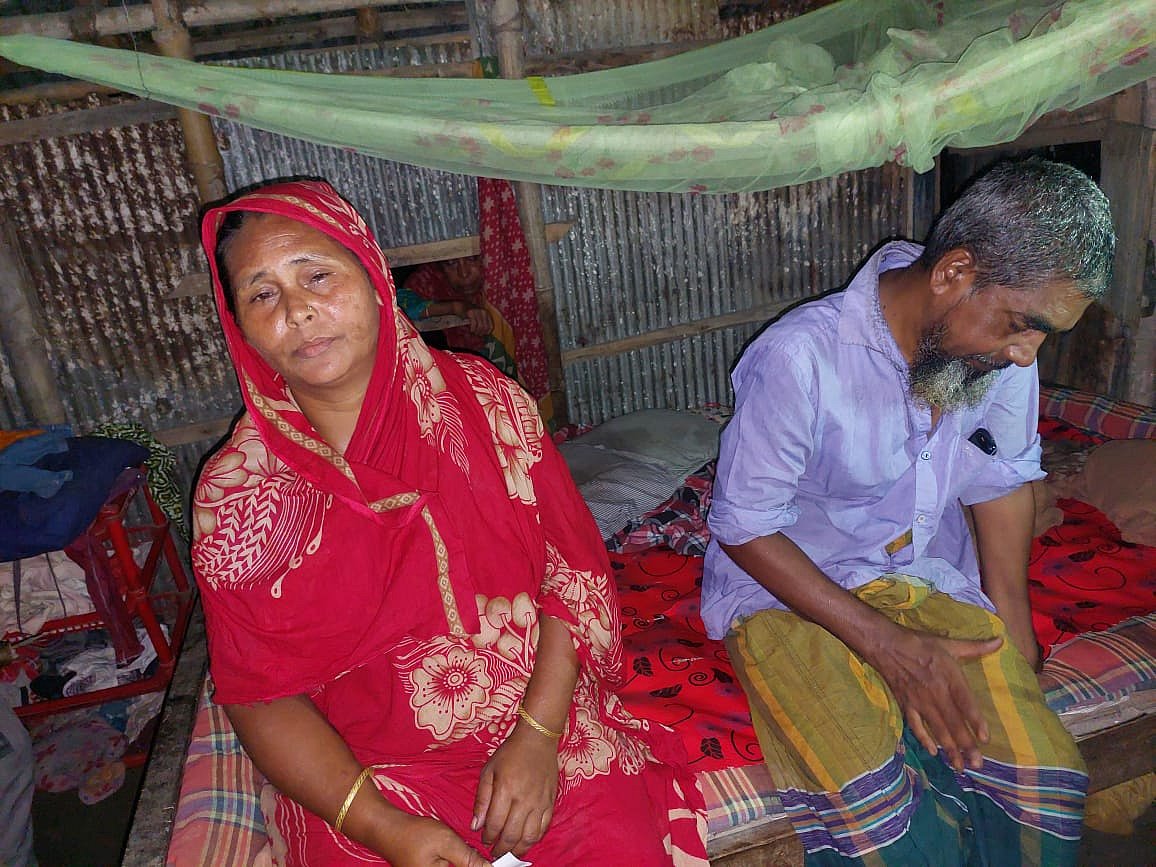
A 22-year-old Bangladeshi man, Rimmel Mia, from Sundarganj Upazila in Gaibandha, is being held as a prisoner of war in Ukraine. His parents, Syed Ali and Rekha Begum, revealed that they borrowed seven lakh taka (approximately $6,300 USD) with high interest to send him to Russia for work. Rimmel left for Russia in March 2025, intending to work as a construction laborer and send money home to help repay debts and build a house. He initially sent 1.3 lakh taka (approximately $1,170 USD) back home within his first three months. However, contact with Rimmel was lost about 10 to 11 months ago, leaving his family in distress and unaware of his whereabouts. The family learned of his situation when a local individual showed them a video of him in a Ukrainian detention camp, having been captured after joining the Russian army. Rimmel reportedly joined the Russian army due to legal complications after losing his job in Russia, and was sent to the Ukrainian front lines after a brief training period. His parents are now appealing to the government for his safe return, expressing that their primary concern is their son's well-being, not the money. Rimmel's father, Syed Ali, sells betel leaves in the local market, earning only five to six thousand taka (approximately $45-$54 USD) per month, and is currently relying on remittances from another son working in Saudi Arabia to manage household expenses and repay loans. The family lives in a dilapidated house on Rimmel's maternal grandfather's land, as they own no property themselves.
This situation highlights the perilous journeys undertaken by individuals seeking economic opportunities abroad, often through informal channels and with significant financial risk. The narrative suggests a potential exploitation pathway where individuals, facing job loss and legal challenges in a foreign country, may be coerced or incentivized to join military forces, leading to unforeseen and dangerous consequences like being captured in active conflict zones. The family's financial strain and reliance on remittances underscore the vulnerability of migrant workers and their families to such unpredictable events. Future policy considerations might involve strengthening oversight of overseas employment agencies, providing better support for citizens facing legal or employment crises abroad, and enhancing communication channels to prevent prolonged periods of uncertainty for families.
AI-generated to prompt reflection — not editorial opinion, not advice, not a statement of fact. How this works.