Bangladeshi Researchers Lead US Rail's Shift to Renewable Fuels
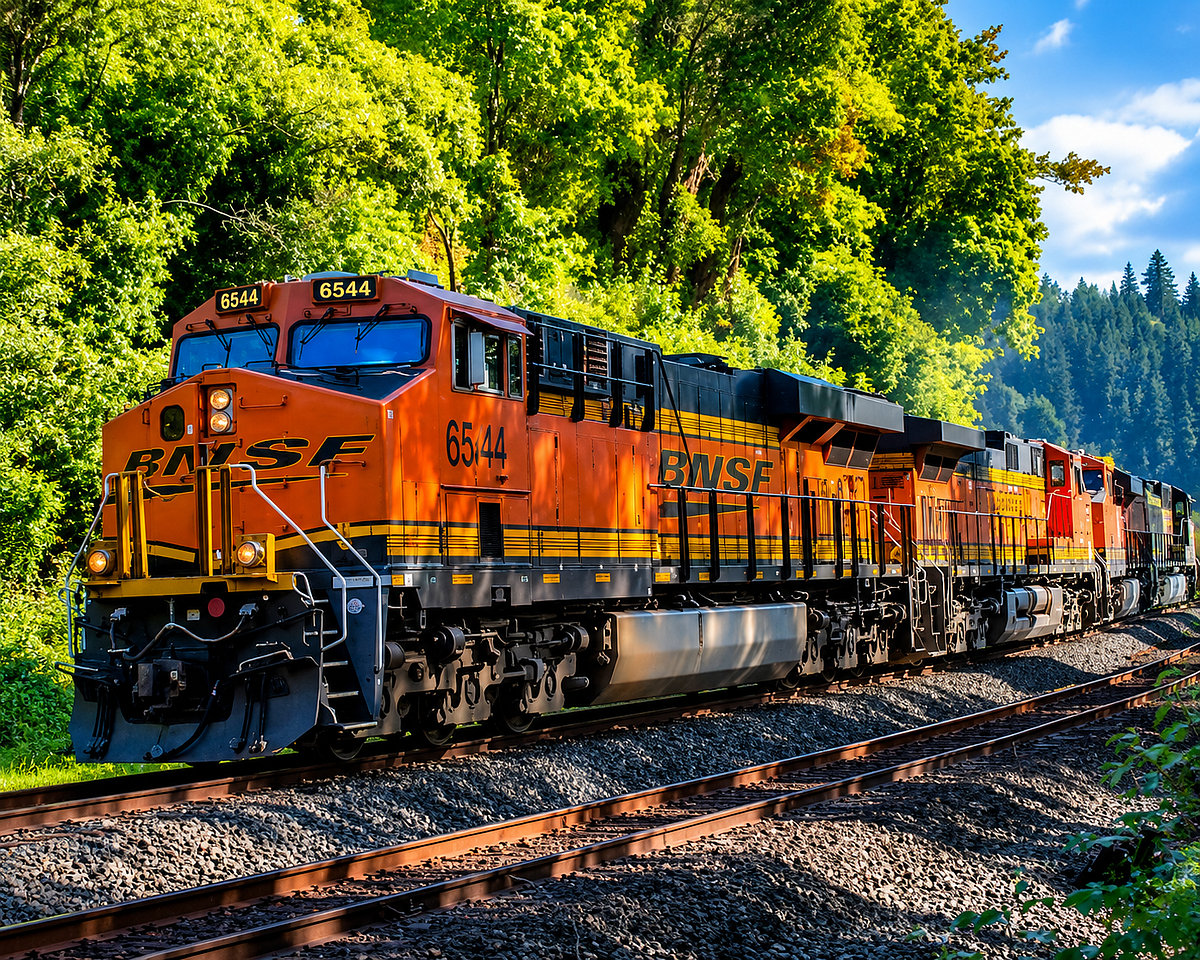
Scientists are developing eco-friendly and cost-effective fuel alternatives for the U.S. rail network, which currently relies heavily on diesel and contributes significantly to global pollution and carbon emissions. Leading this research are two Bangladeshi scientists from the U.S. Department of Energy's Argonne National Laboratory: Chowdhury Najib Siddique and Farhad H. Masum. Their work addresses the growing demand for rail freight transport, which accounts for approximately 40% of long-distance goods movement in the U.S., a figure projected to increase by 2025. The research aims to reduce carbon footprints by exploring the viability of alternative fuels. Siddique, a Transportation Energy Analyst and Lead Analyst at Argonne, holds Master's and PhD degrees from the University of Washington and focuses on transportation and energy systems. Masum, an Energy Systems Analyst at Argonne, earned his Master's in Economics and PhD in Forestry from the University of Georgia, specializing in the environmental, economic, and supply chain impacts of renewable energy. He also advises the International Maritime Organization and co-authored the U.S. Maritime Action Plan. The study analyzes seven alternative fuels, including biofuels, highlighting their technical, economic, and environmental aspects. A key finding is that renewable diesel produced via hydrothermal liquefaction from waste treatment residues is competitively priced and significantly reduces carbon emissions compared to conventional diesel. For every megajoule, conventional diesel emits 88 grams of CO2 equivalent, while renewable diesel emits only 35 grams. These 'drop-in' fuels require minimal to no modification of existing rail engines, unlike methanol or ethanol, which necessitate substantial engine changes. The research, which also involved scientists from Oak Ridge National Laboratory and Pacific Northwest National Laboratory, emphasizes the safety of renewable diesel, contrasting it with concerns over ammonia's toxicity. The findings suggest that renewable fuels could also benefit Bangladesh's rail sector by transforming waste into resources and enhancing national energy supply.
This research initiative by U.S.-based scientists, including prominent Bangladeshi researchers, highlights a critical global challenge: decarbonizing heavy transportation sectors like rail. The study's focus on renewable diesel derived from waste streams offers a pragmatic pathway, emphasizing 'drop-in' fuel compatibility to minimize infrastructure disruption and cost. By quantifying emissions reductions and economic competitiveness, the analysis provides a data-driven argument for transitioning away from fossil fuels. This approach aligns with long-term sustainability goals, acknowledging that systemic shifts in energy infrastructure are essential for mitigating climate change. The potential application in developing nations like Bangladesh further underscores the universal relevance of these innovations, suggesting that waste-to-energy solutions can simultaneously address environmental concerns and resource scarcity.
AI-generated to prompt reflection — not editorial opinion, not advice, not a statement of fact. How this works.