Bangladeshi scientist secures US patent for novel molecule to combat cancer metastasis
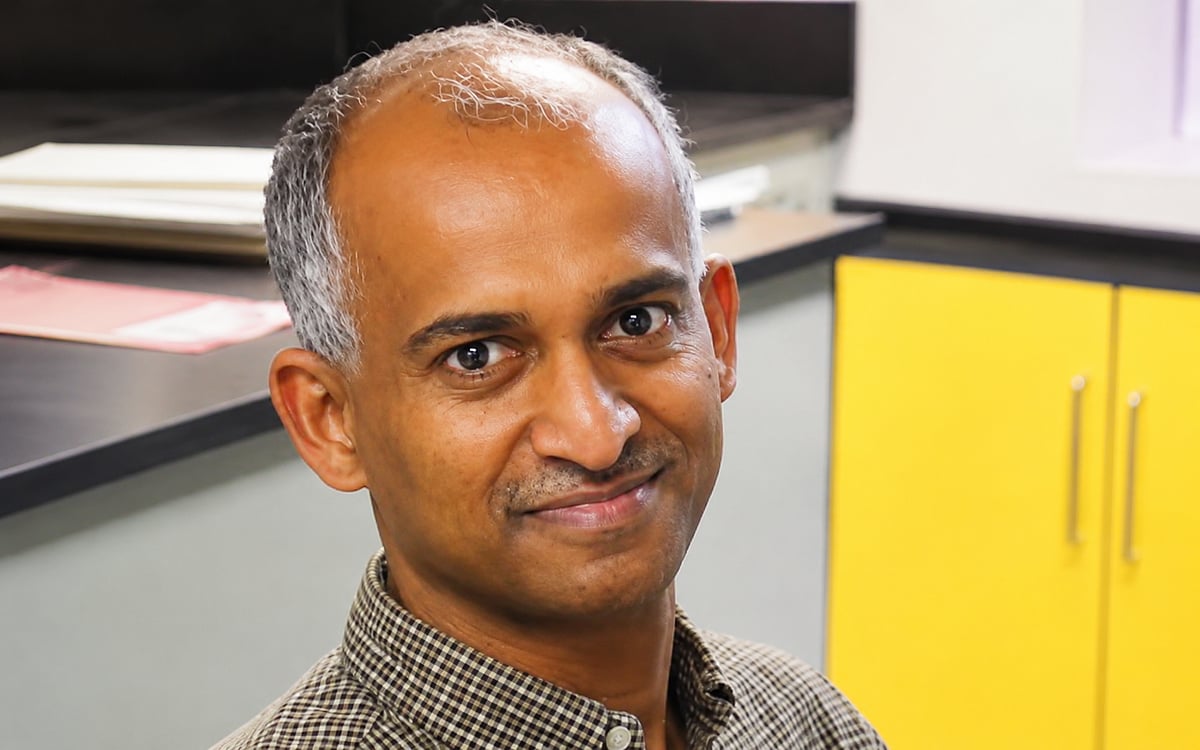
A team of researchers, led by Bangladeshi scientist Dr. Hemayet Ullah, has been granted a US patent for a new class of small molecules designed to inhibit cancer cell spread, a process known as metastasis. Metastasis is a major cause of cancer-related deaths globally, and currently, effective treatments to prevent it are scarce. Dr. Ullah, a professor of biology at Howard University in the US, previously earned his undergraduate degree from the University of Dhaka. His collaborator on this groundbreaking research was Dr. Shivanessan Dakshinamoorthy, a researcher in oncology at Georgetown University Medical Center's Lombardi Comprehensive Cancer Center. The patent application was initially filed in 2019, with final approval granted in 2026 after extensive review. The discovery stemmed from research into how plants cope with environmental stress and inhibit viral replication. The team observed a structural similarity between a plant and human protein called RACK1, which plays a role in cancer cell migration. This led them to develop inhibitory molecules, SD29 and SD29-14, which specifically target RACK1. In laboratory tests on breast cancer cells, these molecules were found to block the focal adhesion kinase signaling pathway, significantly reducing cancer cell proliferation. While the patent has been approved in the US, the research is currently available as a preprint on bioRxiv and has not yet undergone formal peer review. Further stages of development, including animal and human clinical trials, are necessary before these molecules can be considered for therapeutic use.
This development represents a significant advancement in the scientific pursuit of controlling cancer metastasis, a critical challenge in oncology. The research leverages a fundamental biological insight—the conserved nature of the RACK1 protein across species—to design targeted molecular interventions. The patent's approval signifies a recognition of the novelty and potential utility of these molecules. However, the path from patent to patient is long and rigorous, requiring extensive validation through clinical trials to ensure safety and efficacy. The current stage as a preprint highlights the ongoing scientific process of scrutiny and verification. Future success will depend not only on the scientific merit but also on the complex ecosystem of drug development, including regulatory pathways and market accessibility, to translate this laboratory breakthrough into a widely available treatment.
AI-generated to prompt reflection — not editorial opinion, not advice, not a statement of fact. How this works.