Bangladeshi Ship Crew Recount Ordeal After 4 Months Stranded in Persian Gulf
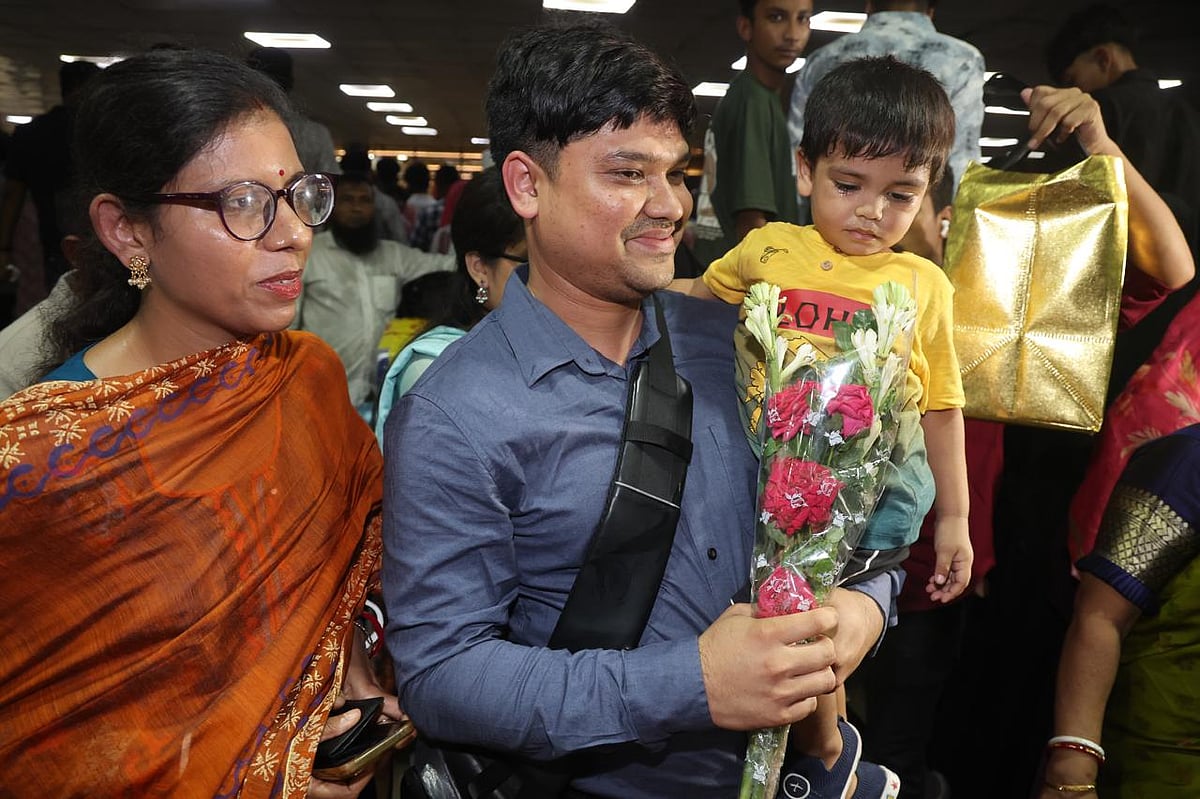
Crew members of the Bangladeshi-flagged vessel 'Banglar Joyjatra' have returned to Bangladesh after being stranded for nearly four months in the Persian Gulf due to regional conflicts. Captain Md. Shofiqul Islam recounted their harrowing experience upon arrival at Hazrat Shahjalal International Airport in Dhaka. He described how many sailors became traumatized, some even died, without receiving any medical attention. During their ordeal, the ship faced shortages of food and water, and some vessels in the vicinity sank while attempting to navigate channels. The 'Banglar Joyjatra' was caught in the Strait of Hormuz amid escalating tensions between the United States, Israel, and Iran. The ship successfully passed through the strait on the night of June 23rd, after being held for 3 months and 25 days. Captain Islam expressed gratitude for the prayers and support from the Bangladeshi public, stating they felt they had received a second life. He credited timely decisions by Bangladeshi authorities for their safe return with the state's asset. Despite government advice to seek safer shelter, the crew remained with the ship to protect state property. He detailed an incident where a missile struck a nearby vessel, causing a fire that spread to an oil tanker, which six tugboats struggled to extinguish. The risk of a larger explosion was significant, potentially affecting their own ship. The ship's former commanding officer, Pronoy Krishna Sen, explained that they had to rely on manual navigation due to the satellite navigation system being disabled, with the added danger of mines in the area. Upon their arrival, officials from the Bangladesh Shipping Corporation welcomed the crew with flowers, and emotional reunions took place with waiting family members.
The prolonged stranding of the 'Banglar Joyjatra' highlights the significant risks faced by commercial shipping in geopolitical hotspots. While the crew's safe return is a positive outcome, the incident underscores systemic vulnerabilities in international maritime security and crisis response protocols. The reliance on manual navigation and the potential for catastrophic accidents due to proximity to conflict zones reveal the precarious balance between trade continuity and crew safety. Future considerations should include enhanced real-time threat assessment for vessels operating in high-risk areas, improved communication channels between national authorities and shipping companies during crises, and the establishment of international frameworks for crew welfare and support when commercial assets become entangled in geopolitical disputes. The event serves as a stark reminder of the human cost associated with international conflict, extending far beyond the immediate combatants.
AI-generated to prompt reflection — not editorial opinion, not advice, not a statement of fact. How this works.