Bangladeshi student Tahia Tabassum secures prestigious internship in Japan
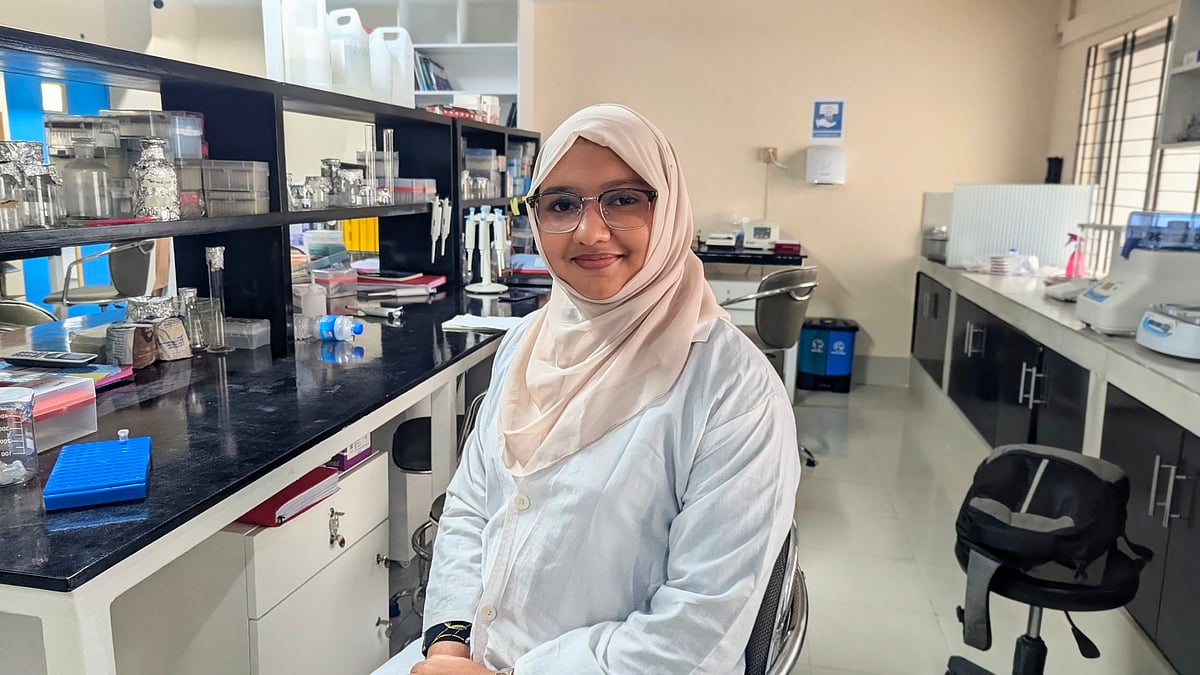
Tahia Tabassum, a student from Sandwip, Bangladesh, has earned a scholarship for an internship at Japan's National Institute for Physiological Sciences. She is pursuing a degree in Genetic Engineering and Biotechnology at the University of Chittagong. Tahia's academic journey began at South Sandwip Multipurpose High School and continued at Cantonment Girls' Public School and College in Dhaka. Inspired by her uncle, Mizanur Rahman, she harbored aspirations of becoming a researcher from an early age. Tahia actively sought research opportunities from her first year at the University of Chittagong, noting the limitations in laboratory access and resources for undergraduate students, which underscored broader systemic issues in the country's research infrastructure. This realization fueled her desire to gain international research experience before completing her undergraduate studies. The news of a senior student's internship in Japan during her second year further motivated her to prepare systematically. Tahia was involved in organizing the Bangladesh Biology Olympiad in the Chittagong region and served as the Vice President of the Network of Young Biotechnologists (NYB). She has presented her research at various national and international conferences, focusing on genetic diseases in the human body and receiving awards for her poster presentations. Alongside her academic pursuits, she developed leadership and organizational skills through active participation in various organizations. Maintaining a strong academic record, she had a CGPA of 3.83 up to her third year. In late 2025, she discovered details about the Japanese internship application process through the website and advice from seniors. With the support of her teachers, she completed all necessary documentation. Tahia received the positive confirmation via email from the Japanese laboratory in March of this year, an opportunity rarely granted to more than two or three students from South Asia annually, and one that selects a student from the University of Chittagong only once every few years. She is expected to commence her internship in November, provided all arrangements are finalized. Her research will focus on neurological diseases, a complex global health challenge with limited effective treatments, specifically within the Molecular Neuroimmunology Lab. Tahia aims to pursue further research in molecular genetics in the future, emphasizing the importance of students actively seeking opportunities, acquiring new skills, and maintaining contact with seniors to enhance their prospects.
This development highlights the growing global competition for specialized research opportunities and the increasing accessibility of international internships for students from developing nations, facilitated by digital platforms and institutional collaborations. The narrative underscores the systemic challenges within national research infrastructures, such as resource limitations and access to advanced facilities, which can incentivize talented individuals to seek external avenues for professional growth. Tahia's proactive approach, encompassing academic excellence, extracurricular engagement, and strategic networking, exemplifies a modern pathway to global scientific participation. Future trends suggest that such international exposure will become increasingly crucial for fostering innovation and addressing complex global issues, necessitating robust support systems for aspiring researchers within their home countries to retain talent and build domestic scientific capacity.
AI-generated to prompt reflection — not editorial opinion, not advice, not a statement of fact. How this works.