Bangu Residents Still Without Power Nearly a Week After Rio Storm
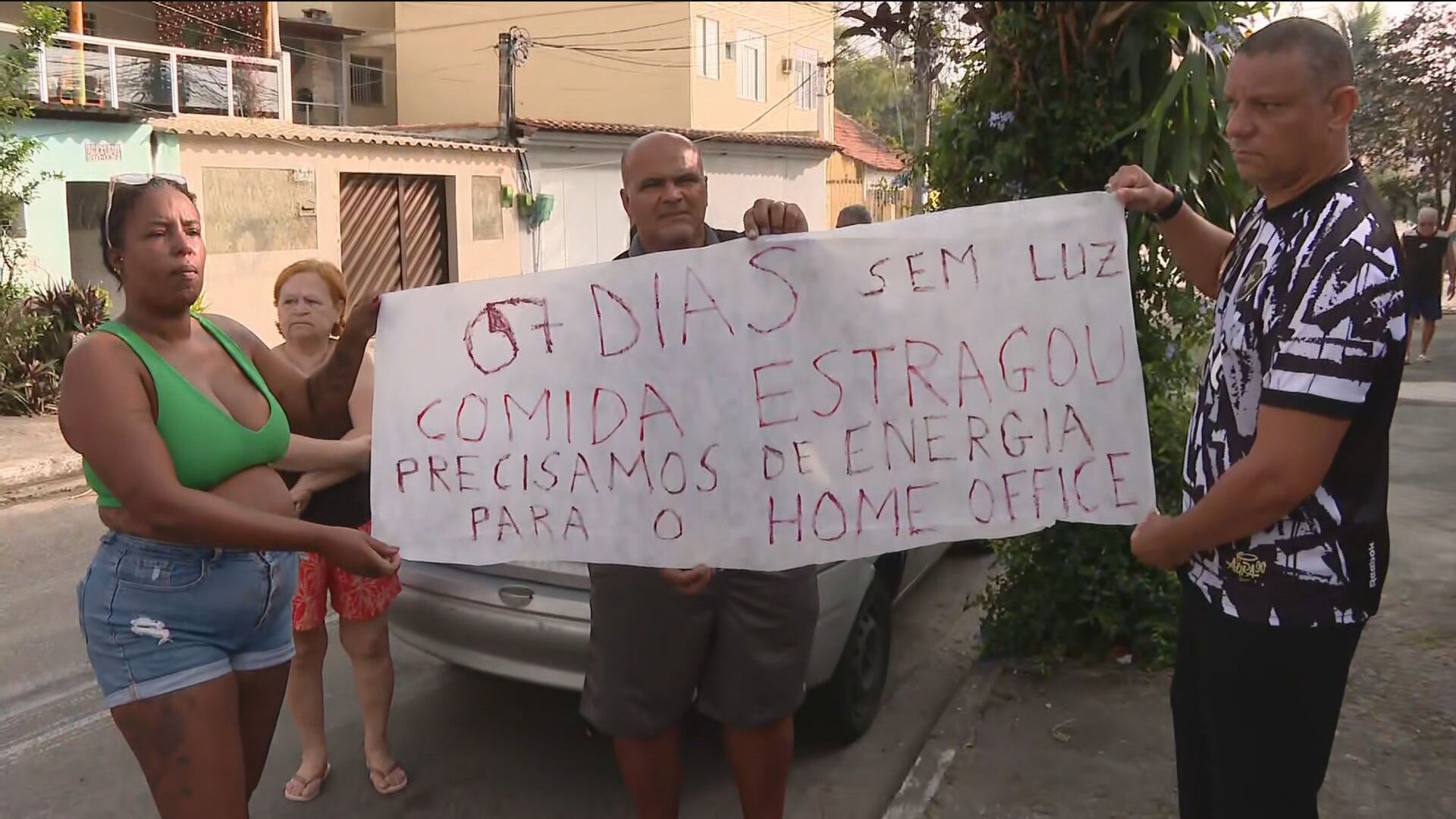
Residents of a street in Bangu, West Zone of Rio de Janeiro, are still without electricity nearly a week after a severe windstorm hit the region. Approximately 50 families on Engenheira Paula Lopes street have been experiencing spoiled food, difficulties working, and increased expenses since last Wednesday. The power outage began when a tree fell onto the electrical grid during the storm. Solange Lira, a commercial representative, reported losing all refrigerated food, including milk, cheese, meat, and fruits. Legal consultant Leonardo Cordeiro had to halt professional activities due to depleted battery power on his equipment, relying on his phone's hotspot until it also ran out of charge. Residents claim they have been reporting the issue to the energy company, Light, since the first day, but have not received a timeline for service restoration. Professor Alexsander Pessanha stated that while his wife contacted Light multiple times, they reported no trucks available for repairs, only small vehicles for inspection. Frustrated by the delay, retiree Moisés Faustino da Silva purchased a generator for R$1,700, spending approximately R$100 daily on fuel to keep his refrigerator and freezer running for his family. He operates the generator for 12 hours a day to manage costs. On Tuesday, the 3rd, residents organized a protest to demand action and a restoration estimate from the utility company. Light vehicles were observed at the site on Tuesday afternoon to address the damage caused by the fallen tree.
The prolonged power outage in Bangu highlights critical infrastructure vulnerabilities and the challenges faced by utility companies in responding to severe weather events. The incident underscores the importance of robust emergency response protocols and efficient repair logistics, particularly in densely populated urban areas. Residents' reliance on costly generators points to a systemic issue where essential services are not restored promptly, leading to significant economic and social disruption. Future planning should consider investments in grid resilience, improved communication channels between utilities and affected communities, and potentially regulatory frameworks that ensure timely service restoration and compensation for damages incurred due to extended outages.
AI-generated to prompt reflection — not editorial opinion, not advice, not a statement of fact. How this works.
