Bank of Japan's Negative Interest Rate Policy: Miscalculations and Side Effects
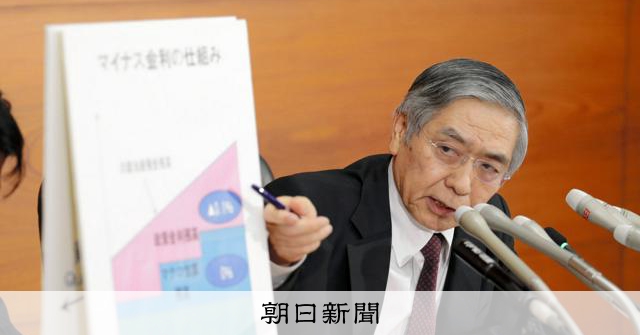
The Bank of Japan (BOJ), under former Governor Haruhiko Kuroda, implemented a negative interest rate policy, reportedly suppressing dissenting opinions. This decision, characterized as a "surprise" move, led to miscalculations and unforeseen side effects. The policy aimed to stimulate the economy by encouraging lending and investment. However, its effectiveness and consequences have been widely debated. Critics argue that the BOJ's approach stifled internal debate and overlooked potential drawbacks. The negative interest rate policy was a significant departure from traditional monetary policy tools. Its long-term impact on financial institutions and the broader economy remains a subject of ongoing analysis and concern. The "surprise" nature of the decision may have contributed to its mixed outcomes. The BOJ's handling of this policy highlights the challenges of unconventional monetary measures.
The Bank of Japan's decision to implement a negative interest rate policy, particularly if dissenting views were suppressed, raises questions about governance and decision-making processes within central banks. Such policies, while intended to stimulate economic activity, can create unintended consequences for financial sector profitability and market functioning. The "surprise" element suggests a potential lack of broad consensus, which can undermine policy credibility and lead to market volatility. Looking ahead, central banks face the challenge of balancing innovative policy tools with maintaining financial stability and clear communication. The long-term effects of such unconventional measures will continue to shape financial markets and economic landscapes for years to come.
AI-generated to prompt reflection — not editorial opinion, not advice, not a statement of fact. How this works.