Banker Daniel Vorcaro Allegedly Sought Dossier on Itaú CEO Milton Maluhy
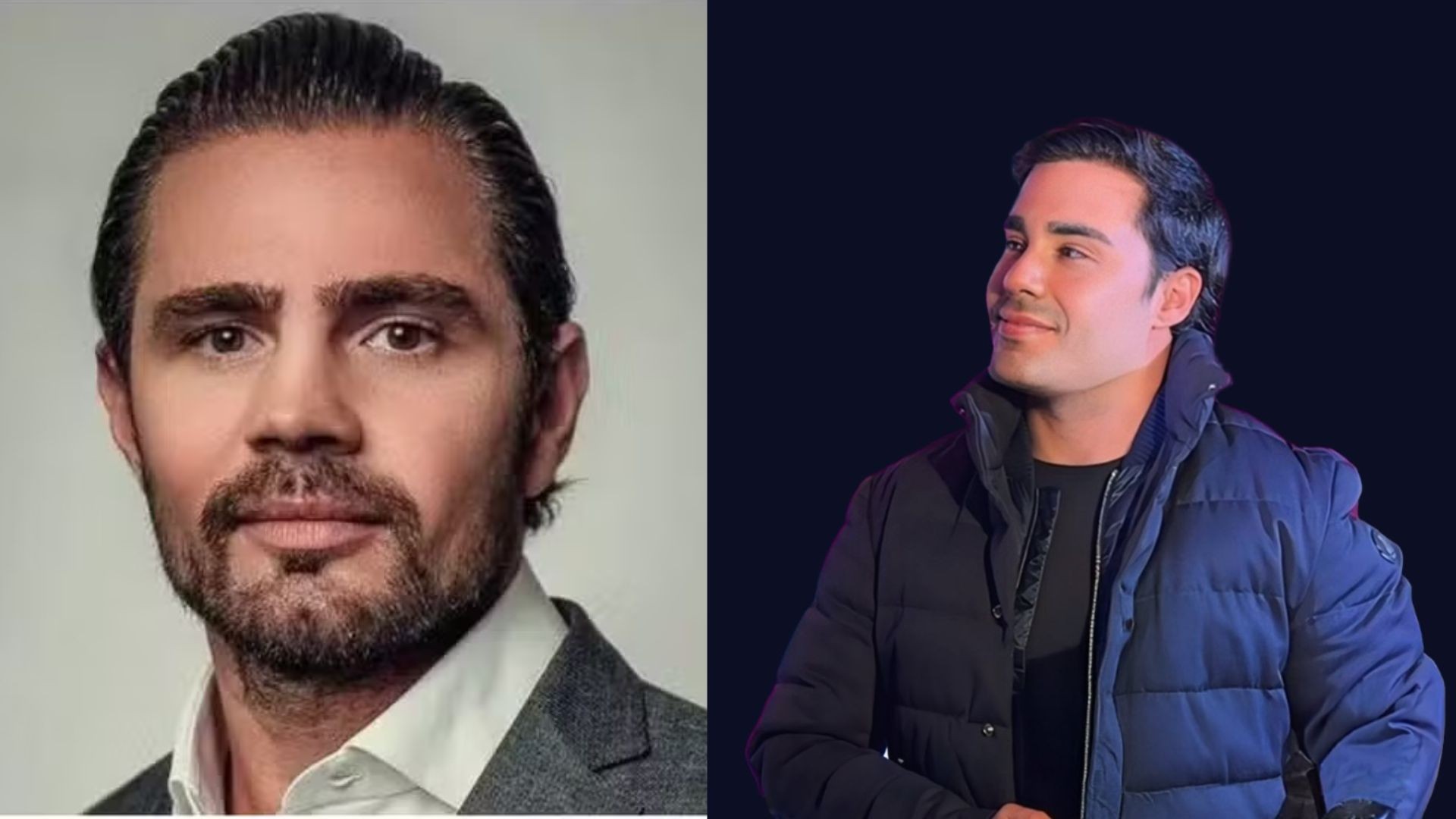
Brazilian Federal Police investigations, revealed through seized messages, suggest banker Daniel Vorcaro requested businessman Thiago Miranda to gather personal and civil identification information on Milton Maluhy, the CEO of Itaú Unibanco, and his wife, Camila Moretti Maluhy. Vorcaro allegedly stated that Maluhy was "causing him a lot of problems" and asked Miranda for assistance in compiling a dossier. Miranda reportedly responded affirmatively, indicating he would handle the matter. Subsequent messages suggest Miranda had compiled information on Maluhy and proposed disseminating it through a third party after the Carnival holiday. The requested information included civil identification numbers and personal details. A document containing personal and financial information on Maluhy and his wife was reportedly found, bearing the visual identity of one of Miranda's companies, suggesting its production or circulation within his business structure. These messages were cited by Minister André Mendonça in a decision authorizing a search and seizure operation. The operation, the 10th phase of "Compliance Zero," is investigating coordinated social media actions aimed at undermining the credibility of the Central Bank of Brazil. It also probes potential intimidation of journalists and unauthorized acquisition of confidential information. Thiago Miranda is identified as a key figure in a scheme, allegedly dubbed "Project DV" (Daniel Vorcaro's initials), to protect the owner of Banco Master. Miranda is accused of orchestrating disinformation campaigns, recruiting digital influencers and journalists with offers up to R$2 million for coordinated posts questioning public institutions, particularly the Central Bank's actions regarding Banco Master's liquidation.
This situation highlights the complex interplay between financial institutions, regulatory bodies, and the media landscape. The alleged actions suggest a potential attempt to leverage information, possibly for strategic advantage or to counter regulatory actions. The involvement of digital influencers and significant financial incentives raises questions about the integrity of public discourse and the potential for market manipulation. Future scrutiny should focus on the governance structures within financial firms, the ethical guidelines for public relations and information dissemination, and the regulatory frameworks designed to prevent undue influence on public opinion and institutional decision-making. Understanding the incentive structures that might drive such activities is crucial for maintaining a fair and transparent financial ecosystem.
AI-generated to prompt reflection — not editorial opinion, not advice, not a statement of fact. How this works.