Banking Reform in Bangladesh: A Political Decision, Not Just Economic
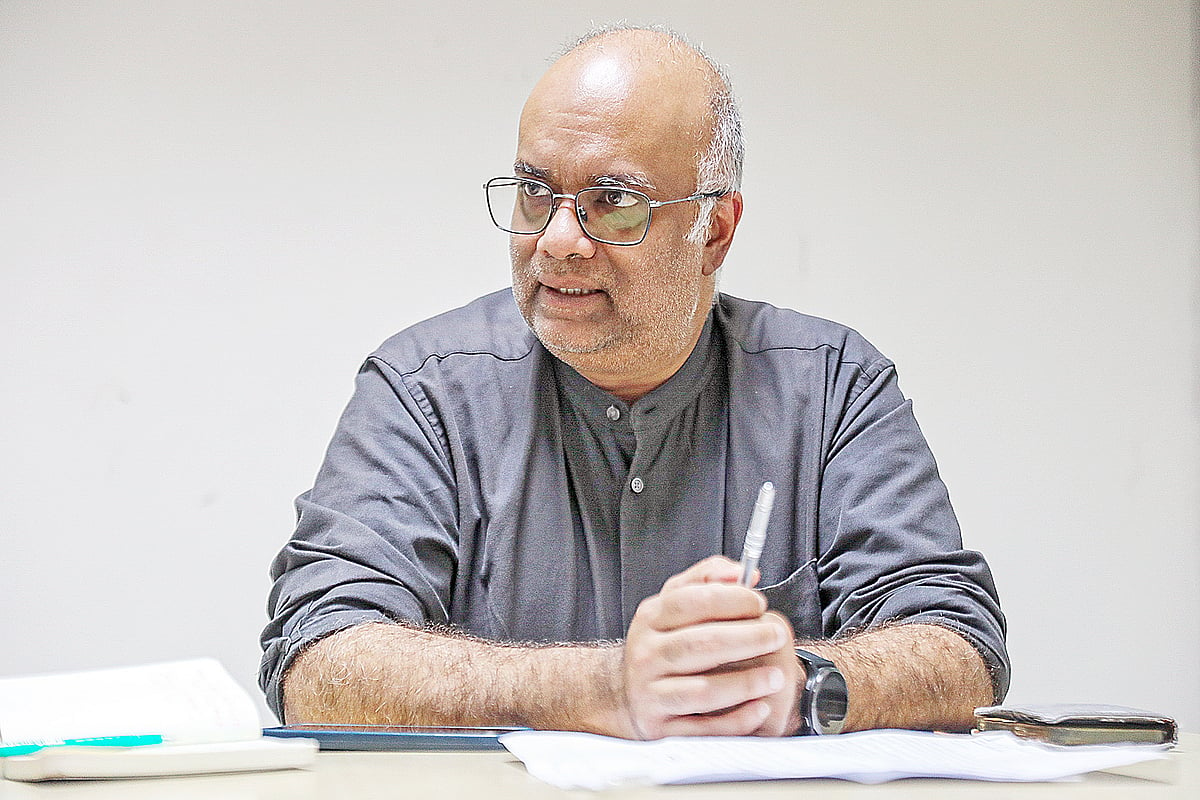
Economist Jyoti Rahman, Chairman of the Panum Institute and founder of the Bangladesh Research Analysis and Information Network, discusses the political nature of banking sector reforms in Bangladesh. He notes that while the past two years have seen many new initiatives and ideas following a significant political upheaval, the core issue of banking sector reform is not purely economic but deeply political. Rahman criticizes the 'Hasinomics' model of the previous Awami League government, which he states involved licensing cronies and oligarchs or allowing illegal bank takeovers, corrupting legal frameworks, and facilitating massive money laundering through overvalued mega-projects and non-existent businesses. He highlights that 61 out of Bangladesh's banks are not viable, with only 10-12 capable of effective operation, necessitating difficult steps like mergers or gradual reduction through state subsidies. The economist warns that a crisis of confidence among depositors could destabilize the entire banking sector, and taxpayers' money is often used to prop up weak banks. He suggests that the interim government, while managing immediate crises acceptably, deferred structural reforms to the elected government. Rahman believes the current government must decide whether to pursue rapid economic recovery through immediate tough decisions or a slower, gradual reform process, emphasizing that structural reform is unavoidable. He points to the 1980s and 1990s as examples of successful banking reforms in Bangladesh, underscoring the importance of adopting a political roadmap for current reforms, though he perceives the current government as hesitant. The IMF's forecast of a GDP growth rate falling below 3% without necessary reforms is seen as a clear signal from international stakeholders about the need for action in banking and revenue sectors. Rahman likens the IMF's role to a doctor, providing a 'vaccine' or preparation for economic crises, and stresses that ignoring IMF conditions sends a negative signal to international markets. He argues that while the IMF's suggested reforms often align with domestic economic needs, disagreements arise in implementation strategies, particularly due to the weak relationship between the state and its privileged classes, who feel little obligation to pay taxes. The economist concludes that the core decision on how to reform the banking sector—whether through nationalization, privatization, or liquidation of weak banks—is political, and prioritizing political appeasement over necessary reforms could lead to political self-destruction.
The Bangladeshi banking sector faces a critical juncture where economic necessity clashes with political expediency. The economist's assertion that reform is a political decision highlights a common challenge in developing economies: the influence of vested interests and elite capture on policy implementation. While international bodies like the IMF offer technical guidance and financial leverage, the political will to enact potentially unpopular but structurally sound reforms remains the primary determinant of success. The analysis suggests that a failure to address the deep-seated issues of governance, cronyism, and weak regulatory enforcement, often perpetuated by political considerations, will likely lead to continued economic instability and hinder long-term growth prospects. The path forward requires a delicate balance between immediate crisis management and a commitment to systemic change, recognizing that short-term political gains may jeopardize sustainable economic development.
AI-generated to prompt reflection — not editorial opinion, not advice, not a statement of fact. How this works.