Baobab Tree Planted as Family Legacy Becomes Tourist Attraction in Piauí
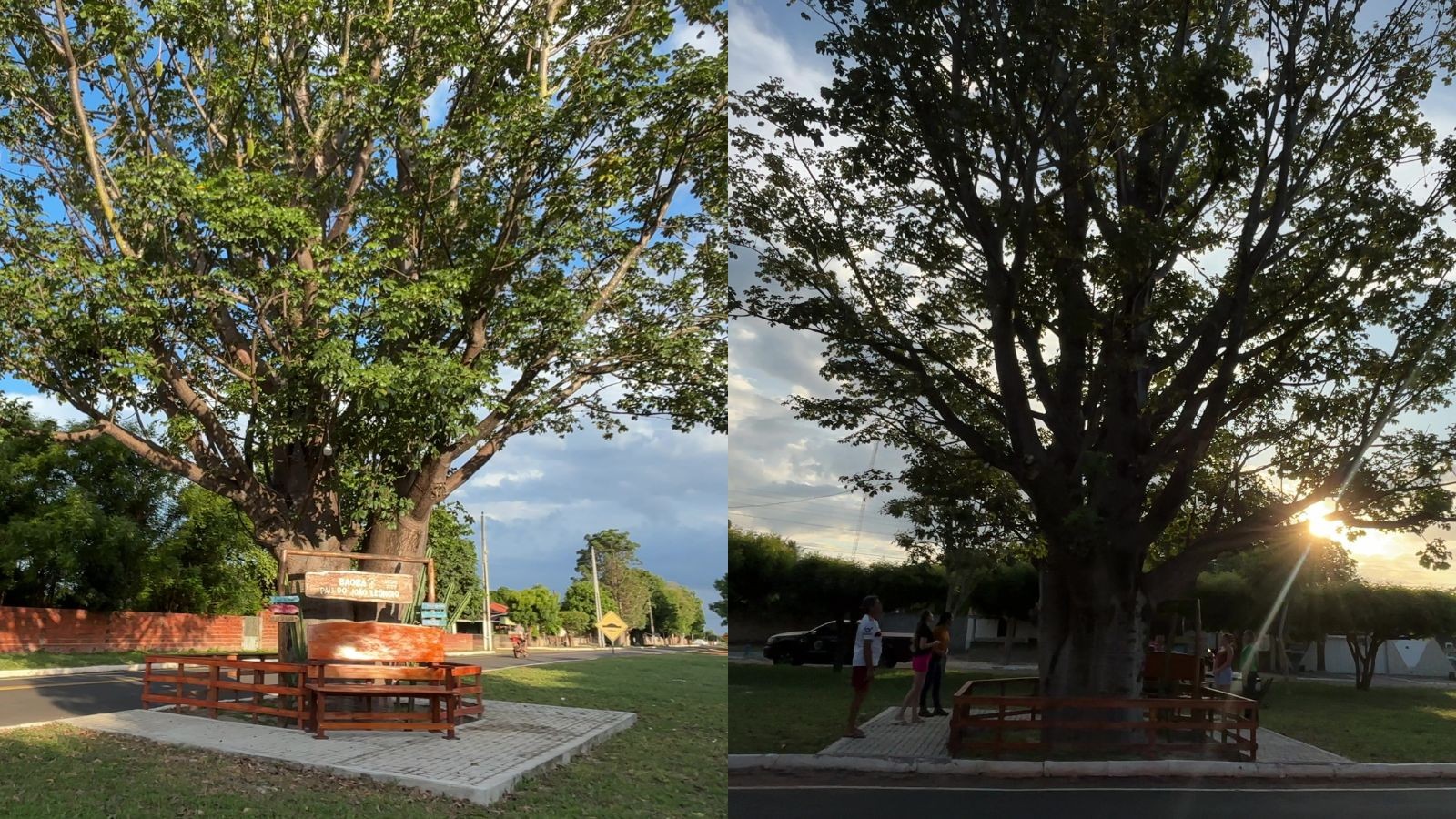
A baobab tree, planted by João Leôncio as a lasting inheritance for his family, has become a significant tourist attraction in Bom Princípio do Piauí, located in the northern part of the state of Piauí, Brazil. The tree, known locally as "Pau do João Leôncio," is situated in the Povoado Boa Vista and draws both local residents and visitors eager to see the species and take photographs. João Leôncio was inspired to plant the tree after encountering it at the Brazilian Agricultural Research Corporation (Embrapa). He obtained a seed with the intention of leaving it as a legacy, telling his children that while he had no material wealth to bequeath, the tree would serve as their inheritance. His youngest daughter, Gilmara Gonçalves, a dental health technician, shared that her father, described as an adventurous and generous man, always emphasized the importance of caring for the tree. Following João Leôncio's passing, his family has actively preserved and enhanced the site. They have constructed a small plaza around the baobab and are planning further improvements, including a walkway, to accommodate the growing number of visitors. The family finds joy in the tree's popularity, seeing it as a way to ensure their father is never forgotten. For Gilmara, the baobab embodies her father's history, teachings, and the values of humility and goodness he instilled in them. The baobab tree itself is notable for its large size and its ability to store water in its trunk, enabling it to withstand long dry periods. Native to regions like Africa, Madagascar, and Australia, the baobab is often regarded in African cultures as a symbol of collective memory and is referred to as the "tree of life."
This narrative highlights the powerful symbolic value of a natural element as a family heirloom, transcending material wealth. The transformation of a personal legacy into a community attraction underscores the human need for connection to nature and shared history. As urbanisation and digital immersion accelerate, such sites may gain increasing importance, offering tangible links to heritage and environmental stewardship. The family's initiative in developing the area suggests a potential model for community-based tourism that leverages unique natural and familial narratives, fostering local pride and economic activity. Future considerations might involve sustainable management practices to protect the baobab and its surroundings, ensuring its longevity as both a natural wonder and a cultural touchstone for generations to come.
AI-generated to prompt reflection — not editorial opinion, not advice, not a statement of fact. How this works.