Barber Fatally Shot While Working in Assú, Rio Grande do Norte
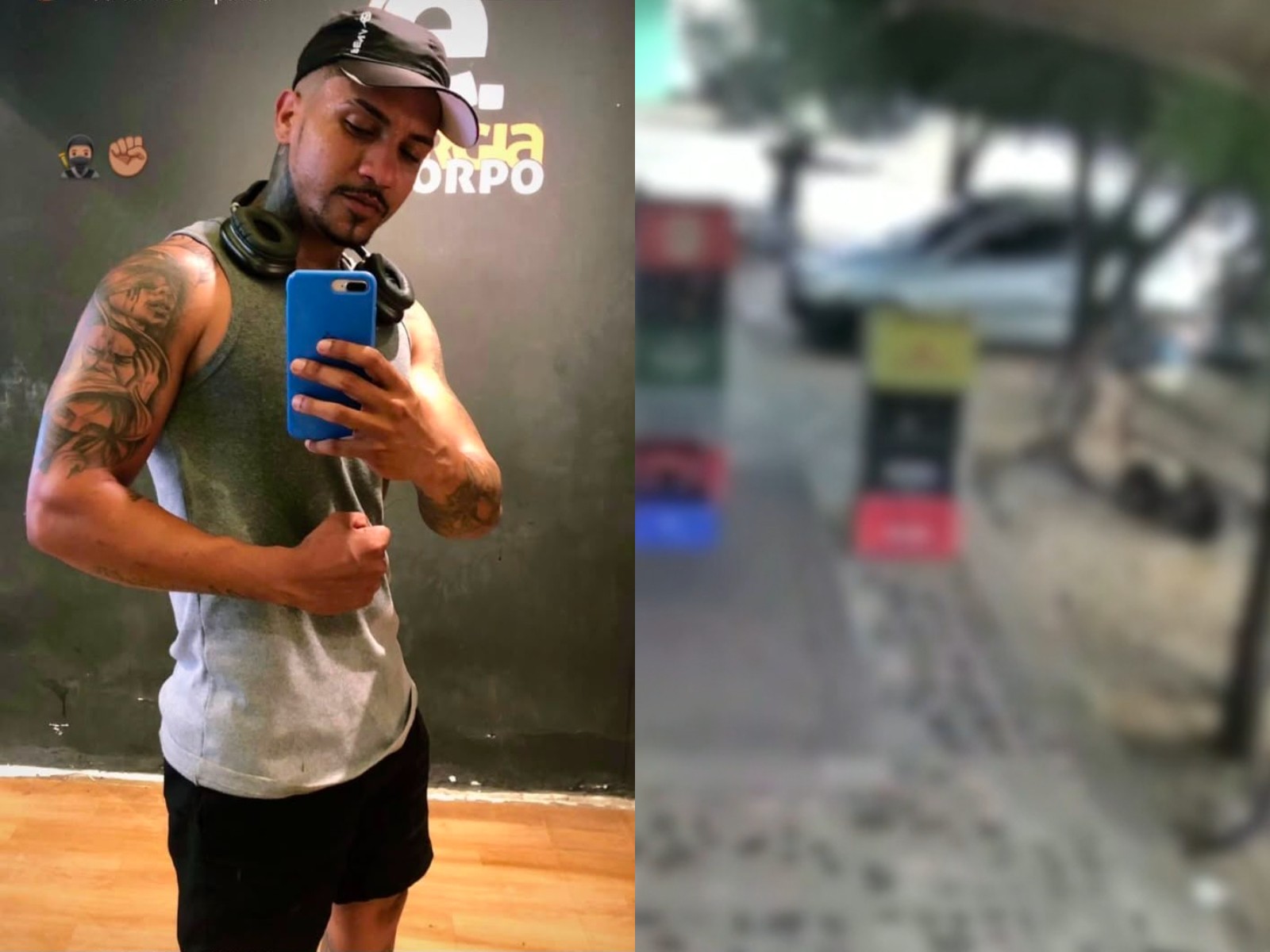
A 27-year-old barber, Pedro Lucas Souza e Silva, was shot and killed inside his barbershop on Saturday afternoon, May 18th, in Assú, a city in the interior of Rio Grande do Norte. Security cameras captured the incident, and the footage is being analyzed by the Civil Police. The video shows a suspect arriving on a motorcycle, wearing jeans, a sweatshirt, and a white helmet. The suspect entered the barbershop and fired shots. Pedro Lucas attempted to flee but was pursued by the assailant, who continued shooting. The victim collapsed in the street. The crime occurred around 5 PM on Rua Doutor Luiz Carlos. Pedro Lucas, a native of Assú, died at the scene. Following the shooting, the attacker fled on the motorcycle, which was being ridden by an accomplice. During subsequent investigations, a motorcycle was seized, and two men were taken to the Civil Police station in Assú for questioning. The delegate, Valério Kuerten, stated that it is still being investigated whether the seized vehicle and the questioned individuals are connected to the homicide. The Civil Police are also examining a potential link between this murder and another attack at the same barbershop on June 20th, where a man was previously shot inside the establishment. As of the latest update, no arrests have been made.
This incident highlights the persistent challenges of public safety and organized crime in certain regions. The swiftness of the attack and the subsequent flight suggest a calculated act, potentially linked to previous violence at the same location. Investigations into the seized motorcycle and detained individuals will be crucial in understanding the dynamics of this crime. The focus on potential links to prior incidents indicates a pattern that law enforcement will need to address systemically. Moving forward, understanding the underlying factors contributing to such violence, whether through gang activity or other illicit enterprises, will be key to developing effective crime prevention strategies that go beyond immediate apprehension to address root causes and foster community security.
AI-generated to prompt reflection — not editorial opinion, not advice, not a statement of fact. How this works.