Barisal Residents Migrate to Dhaka as Local Water Bodies Disappear
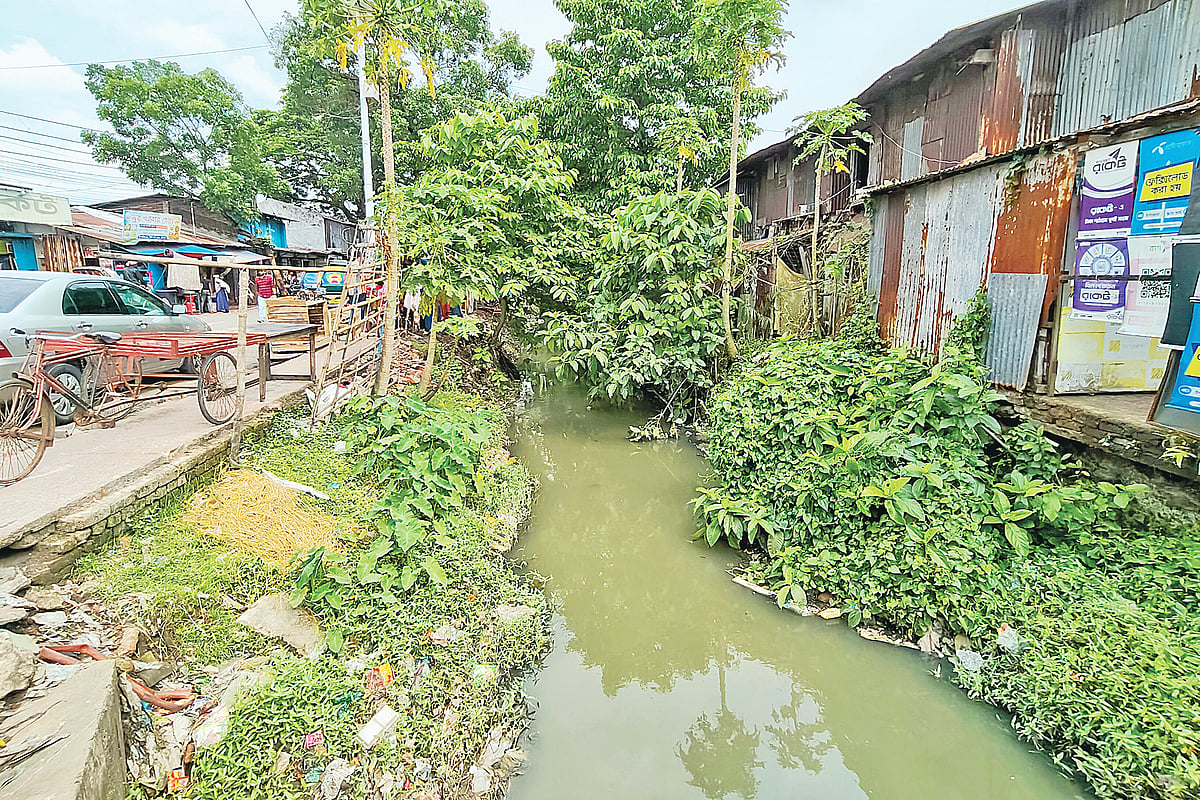
Barisal, a major city in Bangladesh, is losing its livability, serving as an example of the declining quality of life in the country's divisional and district towns. Residents are increasingly forced to leave their homes and migrate to the capital city of Dhaka. This exodus is driven by the disappearance of local canals and ponds, which are vital natural resources for the region. The loss of these water bodies signifies a broader environmental degradation and impacts the traditional way of life for the people of Barisal. The situation highlights a growing trend of urbanization challenges across Bangladesh, where major cities are becoming overcrowded while smaller ones struggle with resource depletion and environmental decline. The migration to Dhaka puts additional strain on the capital's infrastructure and resources. The sentiment among those leaving is one of loss, with many expressing that their connection to their hometown has become a mere memory.
The migration from Barisal to Dhaka exemplifies a common urban challenge where environmental degradation and resource depletion in secondary cities push populations towards already strained megacities. This trend is often driven by the loss of natural assets like water bodies, which are critical for local ecosystems and traditional livelihoods. The phenomenon raises questions about sustainable urban planning and resource management at the national level. Future policy interventions should consider incentivizing the preservation and restoration of local environments to maintain the habitability of smaller cities and mitigate the pressures on capital urban centers. Addressing the root causes of environmental decline is crucial for equitable development and preventing further population displacement.
AI-generated to prompt reflection — not editorial opinion, not advice, not a statement of fact. How this works.