Barra do Bugres City Council Votes on Councilor's Expulsion Over Domestic Violence Allegations
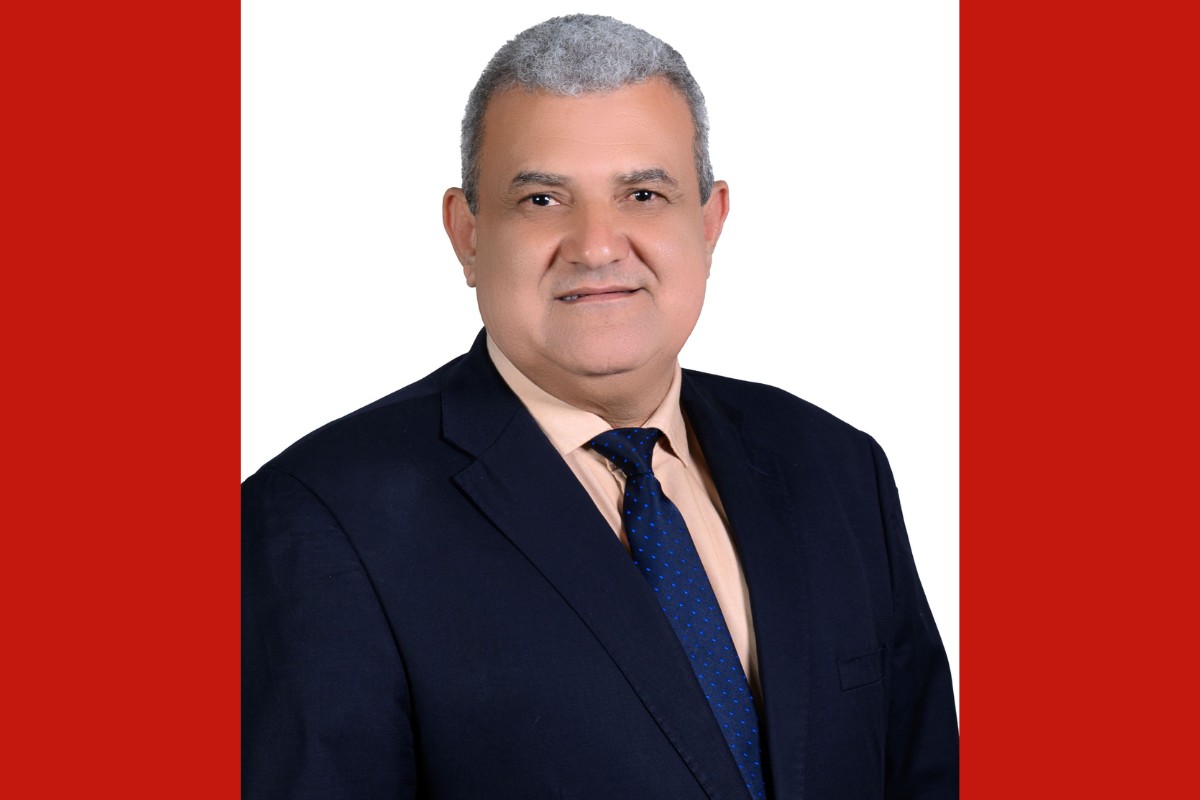
The City Council of Barra do Bugres, Mato Grosso, has initiated a political-administrative process that could lead to the expulsion of councilor Laércio Norberto Júnior, also known as Júnior Chaveiro. Júnior was arrested in April on suspicion of domestic violence against a former city hall employee. He has been suspended from his duties since his arrest and is now seeking to return to his position. The council's vote on his expulsion is expected to conclude on Tuesday, May 28th. The process was triggered by a resident's complaint alleging political-administrative infractions and a breach of parliamentary decorum. A commission, led by councilors Natanael de Moraes Almeida Júnior (PL) as president, Ivonilson Pereira Prado (Republicanos) as rapporteur, and Donizete Martins Pereira (PRTB) as a member, is overseeing the proceedings. The former employee, who worked as Administrative Coordinator since February 2025, accused Júnior of domestic violence, leading to his initial arrest. However, the victim later withdrew her protective order request and was subsequently dismissed from her position about a month after retracting the complaint. She has since filed a lawsuit seeking to annul her dismissal, claiming she was pressured to maintain the protective order to keep her job. Júnior Norberto Júnior has denied the domestic violence accusations, stating he acted in self-defense and will prove his innocence. The alleged assault reportedly occurred at the councilor's home around 4:30 AM, with the victim claiming a tire iron was used. The local Liberal Party (PL) and the City Council had previously suspended the councilor and initiated an internal process that could result in his permanent expulsion.
This situation highlights the complex interplay between personal conduct, political office, and public trust. The legal process for domestic violence allegations and the subsequent political-administrative review for breach of decorum demonstrate distinct but related accountability mechanisms. The victim's withdrawal of charges and subsequent dismissal, followed by her legal challenge, introduces layers of potential coercion or undue influence, necessitating careful examination of the full context. The council's decision on expulsion will weigh the severity of the alleged misconduct against the democratic principle of representation, while also considering the potential impact on institutional integrity and public confidence in elected officials. Future governance models may benefit from clearer protocols for handling such sensitive allegations to ensure both due process and public accountability.
AI-generated to prompt reflection — not editorial opinion, not advice, not a statement of fact. How this works.