Barra Funda Street Renamed 'Rua do Samba' to Honor São Paulo's Rhythm History
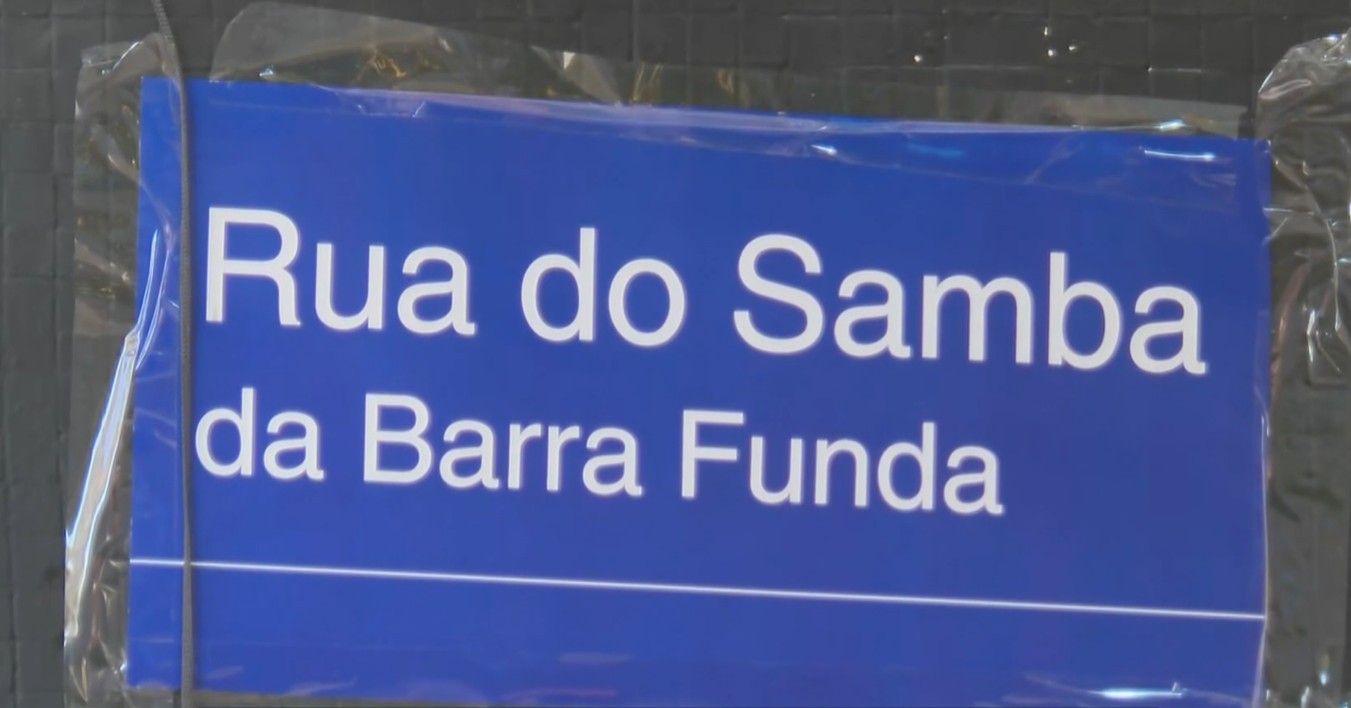
A street in São Paulo's Barra Funda neighborhood, formerly known as Rua João de Barros, has been officially renamed Rua do Samba da Barra Funda. This change honors the area's significant role in the history of samba in the city. The street, spanning just one block, is now a symbol for preserving the memory of one of São Paulo's most important cultural movements. Residents, samba artists, and patrons are celebrating the renaming, which had been a long-standing desire within the samba community. Mônica Gomes, a cultural producer, expressed that the street evokes childhood memories of weekly samba gatherings. Retiree Magali dos Santos views the renaming as a correction of historical erasure, aiming to elevate samba, which was once marginalized. She noted that prominent samba artists like Alcione, Beth Carvalho, Roberto Ribeiro, and Dona Ivone Lara frequented and performed in the area. The street became known for hosting samba gatherings since the 1980s, helping to keep the tradition alive. Simone Tobias, representing the Association of Sambistas, Terreiros, and Samba Communities of São Paulo, stated the initiative is directly linked to the community's history, specifically an event called 'Rua do Samba' that began in 1982, conceived by her father, Carlos Alberto Tobias. The persistence of these popular appeals apparently influenced public authorities. Nearby, Bar do Chagas has become a key meeting point for samba enthusiasts over the past 15 years, contributing to the area's revitalization. The roots of samba in Barra Funda extend further back, with the former Largo da Banana, a short distance away, recognized as a cradle of samba in São Paulo. Historically, this area served as a goods entrepôt from the 19th century, where Black dockworkers would gather during breaks for samba duro, tiririca, and capoeira paulista sambada, shaping the city's cultural identity. Tobias also attributes the distinct character of São Paulo samba, often described as 'rural samba,' to the neighborhood's population, which includes many migrants from the interior.
The renaming of Rua João de Barros to Rua do Samba da Barra Funda signifies a community's successful effort to reclaim and memorialize its cultural heritage. This action highlights the power of grassroots movements in shaping urban identity and correcting historical narratives that may have marginalized certain cultural expressions. The initiative underscores a broader societal trend of recognizing and valuing local cultural contributions, particularly those rooted in African-Brazilian traditions. From a governance perspective, this event demonstrates how public spaces can be re-purposed to reflect evolving community values and historical understanding, potentially fostering greater social cohesion and cultural tourism. Looking ahead, such recognitions may influence urban planning policies, encouraging the integration of cultural history into the fabric of city development and preservation efforts, especially in areas undergoing gentrification or modernization.
AI-generated to prompt reflection — not editorial opinion, not advice, not a statement of fact. How this works.