Barrancabermeja Lagoon Turns Red Due to Pollution and El Niño, Officials Urge Intervention
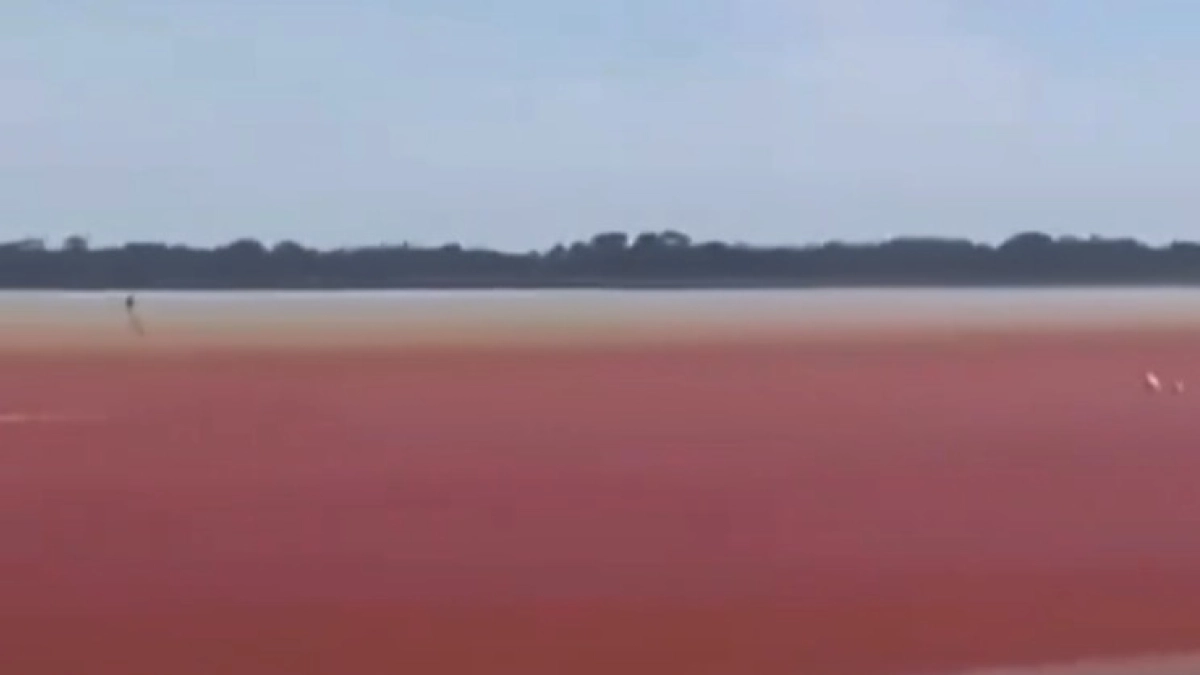
The Ciénaga de El Llanito, a lagoon in Barrancabermeja, Colombia, has turned a striking red color. Experts attribute this alarming transformation to a combination of severe pollution and the effects of the El Niño phenomenon. The Secretary of Environment for the district has issued numerous calls to the relevant authorities, urging them to take immediate action to address the situation. This environmental crisis highlights the compounding pressures on local ecosystems from human-induced pollution and climatic events. The red coloration is a visual indicator of significant ecological distress within the lagoon. The urgency expressed by the environmental secretary underscores the potential long-term consequences if the problem is not swiftly managed. The specific types of pollutants and their interaction with the altered environmental conditions caused by El Niño are critical factors under investigation. This event serves as a stark reminder of the interconnectedness of environmental factors and the need for robust regulatory oversight and enforcement.
The dramatic red discoloration of the Ciénaga de El Llanito, linked to pollution and the El Niño climate pattern, signifies a critical environmental stress point. This event underscores the vulnerability of local ecosystems to the synergistic impacts of industrial or agricultural runoff and climate variability. The repeated calls for intervention by the district's environmental secretary suggest a potential governance gap or insufficient enforcement mechanisms to mitigate pollution sources effectively. Looking ahead, such incidents highlight the increasing need for integrated environmental management strategies that account for both chronic pollution and the amplified effects of climate change, particularly in regions reliant on natural water bodies. Addressing this requires a multi-faceted approach, balancing industrial activity with ecological preservation and strengthening regulatory frameworks to ensure long-term water quality and ecosystem health.
AI-generated to prompt reflection — not editorial opinion, not advice, not a statement of fact. How this works.