Barranquilla: Proposed Electricity Tax to Cover Air-e Debt Sparks Criticism
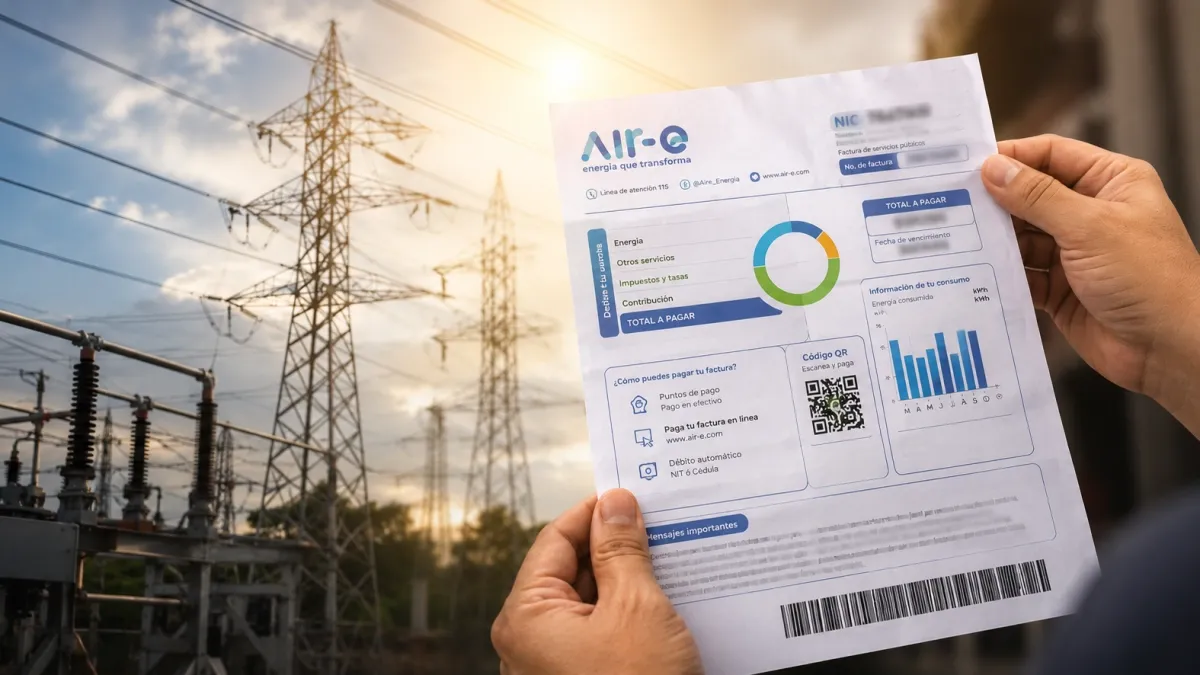
A proposal in Barranquilla to finance the debt of the intervened company Air-e through a new tax on the electricity sector has generated significant criticism. The League of Users and various analysts are questioning the validity of using a parafiscal contribution to cover the obligations of the company, which is currently under intervention. They argue that this approach is unusual and potentially unfair to electricity consumers. The debate centers on how to address the financial burdens of Air-e without disproportionately impacting the public. Critics suggest that alternative funding mechanisms should be explored before resorting to new levies on the sector. The core of the disagreement lies in the principle of who should bear the responsibility for Air-e's debts.
The proposal to levy a new tax on the electricity sector to cover the debts of Air-e, a company under intervention, raises questions about fiscal responsibility and corporate governance. While addressing the financial distress of a critical utility provider is necessary, shifting the burden to consumers through a parafiscal contribution could create a precedent for privatizing gains and socializing losses. This approach may incentivize future financial mismanagement by utility companies, as they might anticipate government intervention and subsequent public bailouts. Exploring alternative debt restructuring, efficiency improvements within Air-e, or direct government funding, rather than indirect consumer taxation, could offer more sustainable and equitable solutions. The long-term implications for energy affordability and investor confidence in the sector warrant careful consideration.
AI-generated to prompt reflection — not editorial opinion, not advice, not a statement of fact. How this works.