Barranquilla's Mango Season: Fruitfall Transforms Streets into Shared Spaces
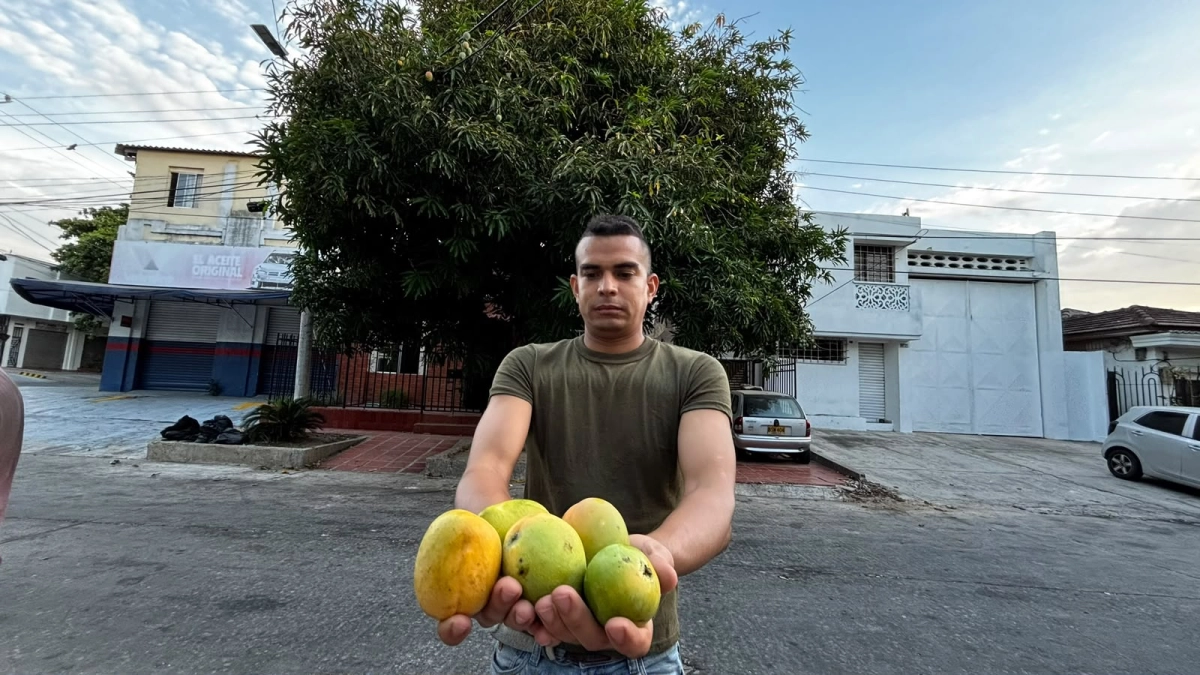
From April to July, the city of Barranquilla, Colombia, experiences its annual mango season, during which thousands of ripe mangoes fall onto streets and parks. This natural phenomenon transforms the urban landscape, with the fallen fruit becoming a source of both sustenance and a point of contention. While some residents view the abundant fruit as a nuisance or waste, others see it as a valuable food source and an integral part of the city's identity during these months. The event highlights a unique intersection of nature and urban life, where a seasonal bounty creates a shared, albeit sometimes messy, public experience. The falling mangoes are a recurring characteristic of Barranquilla's environment during this period, impacting daily life and perceptions of urban space.
The annual mango season in Barranquilla presents a fascinating case study in resource utilization and urban planning. The abundance of fallen fruit, while a natural occurrence, creates a dichotomy between perceived waste and potential food security. This situation prompts reflection on how cities can better integrate natural cycles into their infrastructure and public services. Future urban planning could explore strategies for managing seasonal bounties, potentially turning such events into opportunities for community engagement, local food initiatives, or even sustainable waste management solutions, rather than simply treating them as a cleanup challenge. Considering the increasing urbanization globally, understanding and adapting to these natural urban phenomena will be crucial for fostering more resilient and integrated city ecosystems.
AI-generated to prompt reflection — not editorial opinion, not advice, not a statement of fact. How this works.