Baru Nut Harvest Empowers Women and Fuels Local Sweet Production in Tocantins
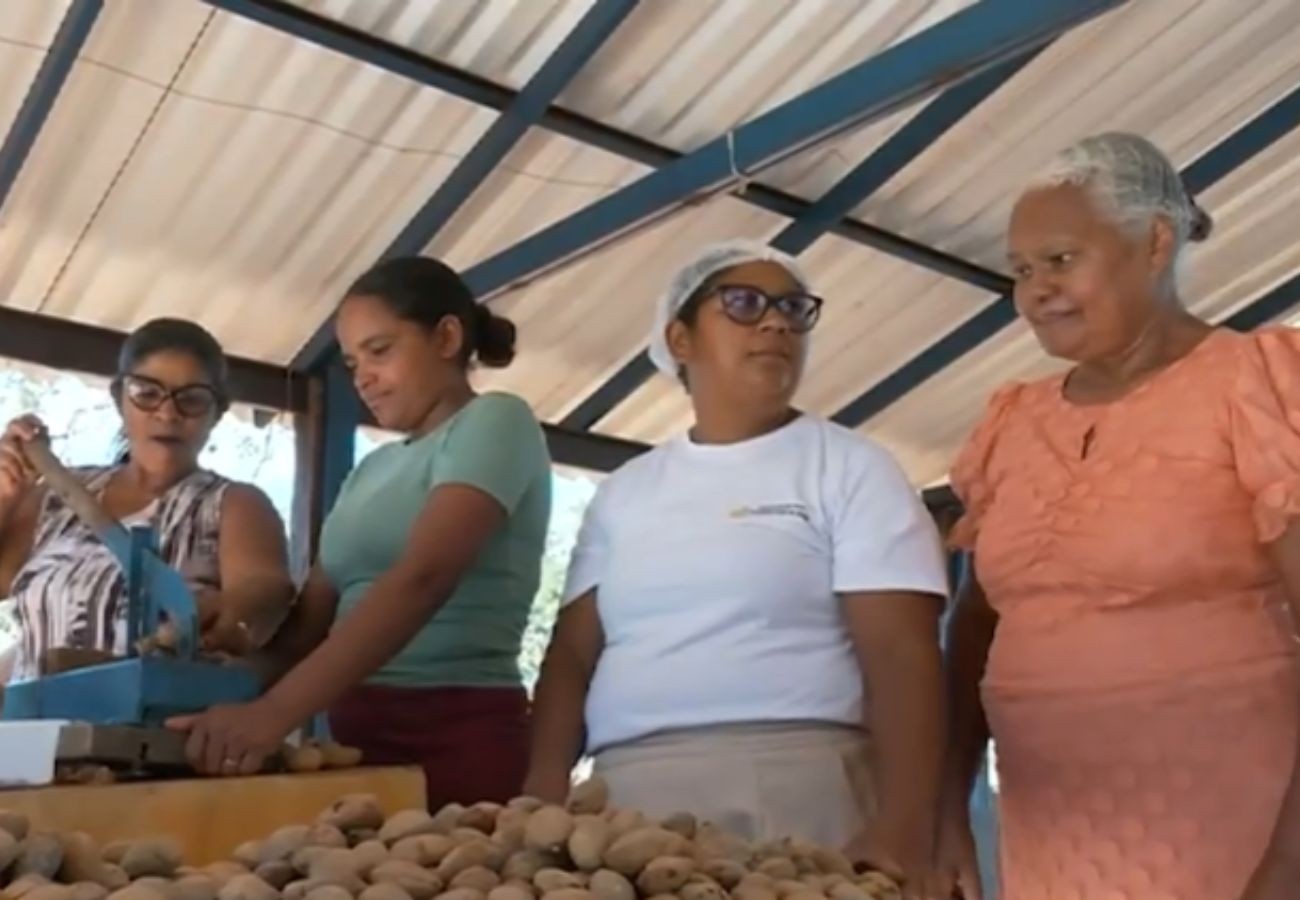
The baru nut, a native delicacy of the Cerrado region, is generating income and strengthening the work of women in Tocantins, Brazil. Primarily found in Ponte Alta do Tocantins, the trees yield nuts that provide economic opportunities for 35 women from rural settlements. The harvest requires patience, as the nuts are collected from the ground after falling, with their ripeness indicated by a distinct sound when shaken. The dark brown shell of the baru nut is rich in antioxidants, encasing an elongated seed. Agroextrativist Francisca Rezende describes the careful collection process, noting that they gather only fallen nuts and those left after cattle have consumed the pulp. The collected nuts are processed by the Associação Mulheres Unidas do Jalapão, an agro-industry established by the 35 women. They collectively handle all stages, including cracking the nuts, roasting them, and grinding them into flour. This baru flour is versatile, used in various recipes like cakes, breads, cookies, brigadeiros, and even savory dishes such as risotto. Their latest creation is a baru and macaúba ice cream. The association produces approximately 800 kg of food products, which are sold to institutions and supplied to public school meal programs. Vice-president Raquel Pinheiro attributes their success to a non-governmental project and the collective effort of their community. The baru nut is a rapidly growing extractive product in Tocantins, recognized as a superfood, with 100g of roasted nuts offering 25g of protein, 14g of fiber, 38g of healthy fats, and 500 calories, highlighting its rich nutritional profile and health benefits.
The cultivation and processing of the baru nut by the Associação Mulheres Unidas do Jalapão represent a successful model of community-based economic development and sustainable resource utilization within the Cerrado biome. This initiative demonstrates how local agro-extractive practices can empower marginalized groups, specifically women, by creating direct income streams and fostering collective enterprise. The value addition through processing into flour and diverse food products enhances market competitiveness and supports regional food security, including school nutrition programs. Future considerations might involve exploring certifications for sustainable harvesting and organic production to access premium markets, potentially increasing revenue and further solidifying the economic independence of the participating women. Analyzing the long-term ecological impact of increased baru nut collection and the potential for scaling this model to other regions with similar native resources will be crucial for sustained growth and environmental stewardship.
AI-generated to prompt reflection — not editorial opinion, not advice, not a statement of fact. How this works.