Bastos Egg Festival Delayed by Court Over Safety Inspections
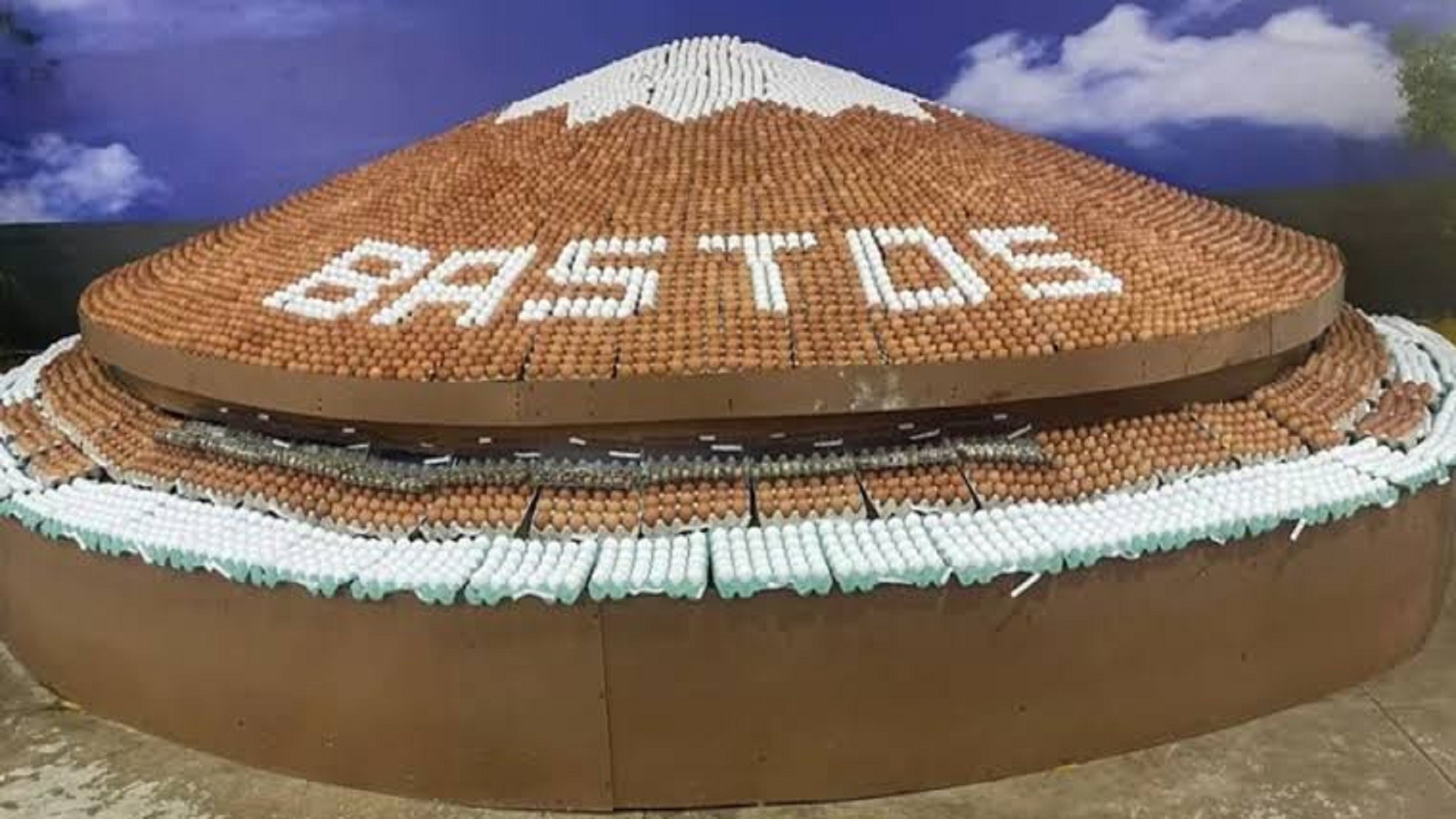
A court in Bastos, São Paulo, has halted the "64th Festa do Ovo" (Egg Festival) until the municipality provides necessary safety inspection reports. The decision, issued by Judge Samara Eliza Lutiheri Feltrin Nespoli on Wednesday, responds to a preliminary injunction sought by the Public Prosecutor's Office of São Paulo State (MP-SP). The festival, scheduled from Thursday, November 16th, to Sunday, November 19th, at the Kisuke Watanabe Exhibition Center, is a significant traditional event celebrating Bastos' status as the "National Egg Capital."
The court order prohibits the city from promoting or allowing the event without the provisional Fire Department Inspection Certificate (AVCB Provisório) and the Military Police Inspection Certificate (AVPM). A fine of R$ 500,000 has been imposed for non-compliance. The MP-SP argued that a large-scale event attracting thousands of visitors cannot commence without prior verification of fire and panic safety conditions, citing risks to attendees. The judge referenced past tragedies at crowded venues, like the Boate Kiss fire, to underscore the importance of safety regulations.
This year's festival was set to feature performances by artists such as Ana Castela, Michel Teló, and Roupa Nova, and marks the event's return after its cancellation in 2025 due to avian flu cases in Brazil. Bastos Mayor Kleber Lopes Enfermeiro stated that such judicial notifications are routine and assured that all installations meet requirements. He confirmed that the final on-site inspections by the Fire Department and Military Police are scheduled for Thursday, November 16th, at 9 AM, and the required documents will be submitted promptly. The festival's program remains confirmed.
This judicial intervention highlights a critical tension between the operational timelines of public events and the imperative for thorough safety due diligence. While the court's action prioritizes public safety by demanding mandatory inspection reports, it risks disrupting established traditions and local economies that depend on such festivals. The mayor's assertion that inspections are merely pending suggests a potential procedural bottleneck rather than a fundamental safety deficit. Moving forward, municipalities and event organizers could benefit from more integrated planning processes that align regulatory timelines with event scheduling, ensuring that safety certifications are secured well in advance. This approach would mitigate the risk of last-minute cancellations or delays, thereby protecting both public welfare and the economic and cultural significance of community events, especially in the context of evolving public health and safety standards in the coming decade.
AI-generated to prompt reflection — not editorial opinion, not advice, not a statement of fact. How this works.