Bathing Piers: This Summer, the Pier Remains the Destination
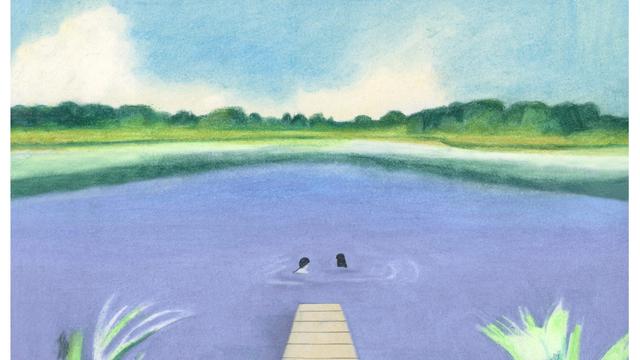
Despite their enduring popularity as a summer destination, some bathing piers are suddenly being deemed dangerous and are being dismantled. This raises the question of whether this trend is truly justified. The article explores the efforts of individuals and communities striving to preserve these beloved summer structures. These piers have long been cherished as prime spots for recreation and relaxation during the warmer months, offering unique access to lakes and rivers. Their potential demolition sparks concern among those who value their cultural and social significance. The piece delves into the reasons behind the sudden reclassification of these piers as hazardous, examining the specific circumstances that have led to these decisions. It highlights the passion of people dedicated to saving what they consider the most beautiful stage of summer. Their efforts involve not only advocating for the piers' preservation but also potentially undertaking restoration or reinforcement projects to ensure their safety and continued use. The narrative aims to shed light on the conflict between perceived safety risks and the deep-seated affection for these iconic summer features.
The dismantling of bathing piers, despite their continued appeal as summer attractions, suggests a potential shift in risk perception and liability management by local authorities or property owners. This trend may reflect increasing regulatory scrutiny or a more cautious approach to public infrastructure safety, even for structures historically viewed as benign. The efforts to save these piers highlight a tension between public access, recreational value, and the evolving standards of safety and maintenance. Future considerations might involve innovative engineering solutions or community-led maintenance models to balance preservation with modern safety requirements, ensuring these valued spaces remain accessible and enjoyable for generations to come.
AI-generated to prompt reflection — not editorial opinion, not advice, not a statement of fact. How this works.