Battery Prices Drop as Gas Costs Rise, Accelerating Australia's Energy Transition
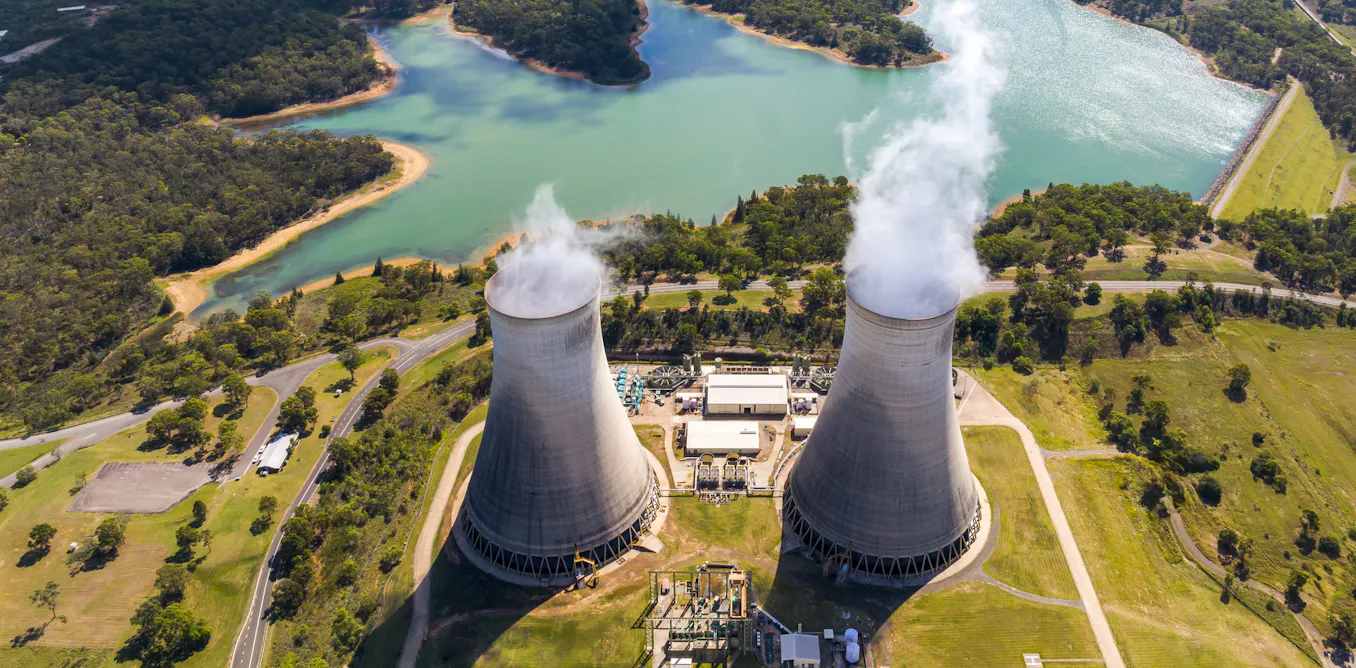
The cost of batteries is decreasing significantly, while the price of natural gas is on the rise. This economic shift is accelerating Australia's transition away from gas-powered energy sources. The falling prices of batteries, driven by technological advancements and increased production, make renewable energy storage more accessible and cost-effective. Conversely, the increasing cost of gas presents a financial challenge for industries and households reliant on it. This divergence in energy prices is creating a strong incentive for consumers and businesses to invest in battery technology and renewable energy solutions. Australia, with its abundant solar resources, is particularly well-positioned to capitalize on this trend. The government and energy sector are increasingly focusing on battery storage as a key component of grid stability and energy security. This move towards cheaper batteries and more expensive gas is expected to reshape the Australian energy landscape in the coming years, potentially leading to a faster decarbonization of the economy.
The economic dynamics between battery storage and natural gas prices present a clear market signal favoring renewable energy integration. As battery costs decline due to manufacturing efficiencies and technological innovation, their value proposition for grid stability and energy arbitrage strengthens. Simultaneously, rising gas prices, potentially influenced by global supply constraints or carbon pricing mechanisms, increase the operational costs for gas-dependent infrastructure. This creates a compelling incentive structure for investment in battery technology, potentially accelerating the retirement of gas-fired power plants and supporting higher penetrations of intermittent renewables. The long-term implications involve a potential recalibration of national energy infrastructure, with a focus on distributed energy resources and grid modernization to manage the evolving energy mix and its associated economic and environmental trade-offs.
AI-generated to prompt reflection — not editorial opinion, not advice, not a statement of fact. How this works.