Bauducco ordered to pay R$6,000 to children who found moldy snack cakes in São Paulo
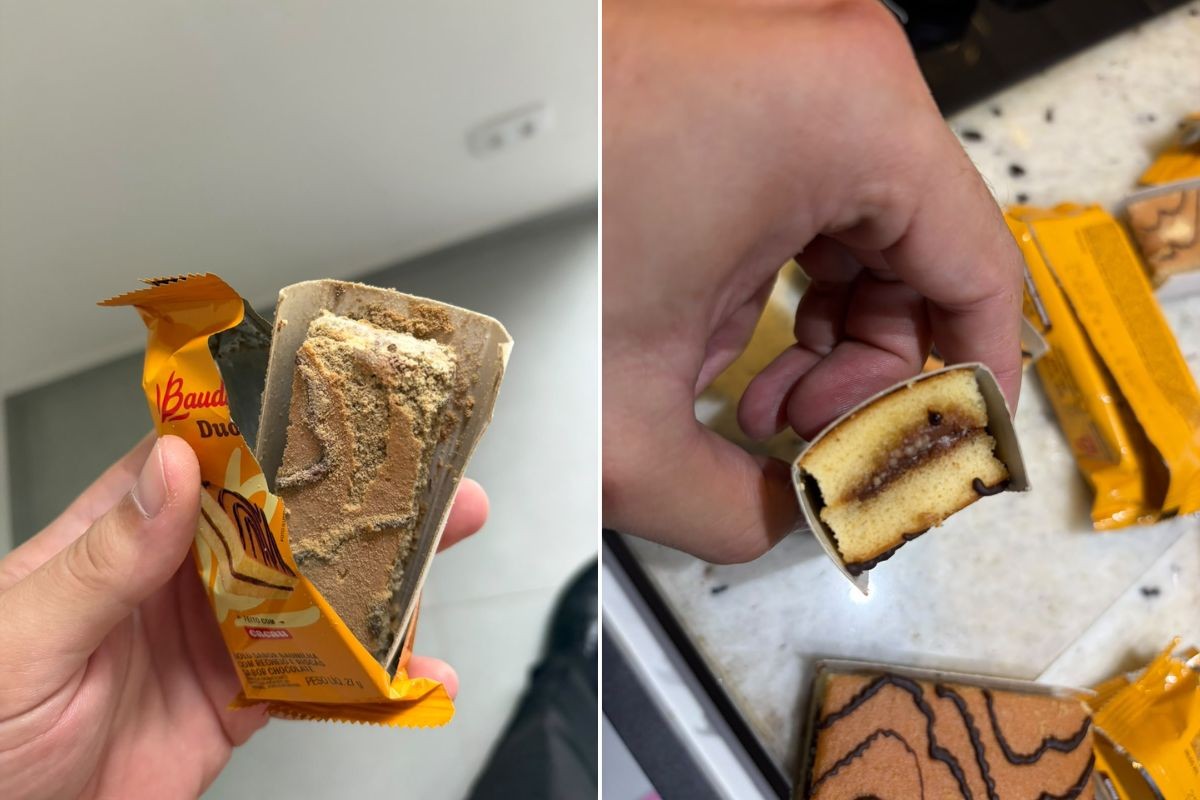
A court in Itanhaém, São Paulo, has ordered Pandurata Alimentos, the company behind the Bauducco brand, to pay R$6,000 in moral damages to two children, aged 6 and 11. The legal action was initiated after the children's parents purchased 15 chocolate-filled snack cakes and discovered mold in six of them, despite the products being within their expiration date. The incident occurred when the children opened the fourth snack cake for consumption on May 14, 2026, and were met with a "repulsive odor" of mold. The 15 snack cakes had been bought just two days prior, with a valid expiration date of July 25, 2026. The company argued that the mold could be due to improper storage by the consumer or retailer, or that the appearance was consistent with 'fat bloom' or 'sugar bloom' caused by thermal variations. However, the judge cited the Consumer Defense Code's strict liability for manufacturers regarding defective products. Photographic evidence presented by the family clearly showed "dense fungal colonies of green mold and mildew throughout the physical extent of the food," contradicting the company's explanation. The judge emphasized the manufacturer's obligation to supply safe products, noting that the presence of active fungal decomposition exposed the children to a concrete risk of food poisoning, although they did not ingest the contaminated cakes or require medical attention. Each child was awarded R$3,000 in damages, and the R$31.35 cost of the snack cakes was also reimbursed. The family's lawyer highlighted that the court recognized the "exposure to risk" as sufficient grounds for compensation, even without actual harm, and that consumer protection is particularly stringent for minors.
This legal ruling underscores the critical importance of product safety and manufacturer accountability within consumer protection frameworks. The court's decision emphasizes that the mere exposure to a defective product, particularly one posing a health risk like moldy food, can constitute grounds for damages, irrespective of whether the consumer suffers direct physical harm. This precedent reinforces the principle that companies introducing products into the market bear a significant responsibility for ensuring their safety and quality, aligning with stringent regulatory expectations for food safety certifications. Future considerations for manufacturers should include robust quality control measures that account for potential storage and handling variations post-production, and a proactive approach to consumer complaints that prioritizes transparency and swift resolution, thereby mitigating legal and reputational risks.
AI-generated to prompt reflection — not editorial opinion, not advice, not a statement of fact. How this works.