Bauru, Brazil: A City Defined by Religious Diversity
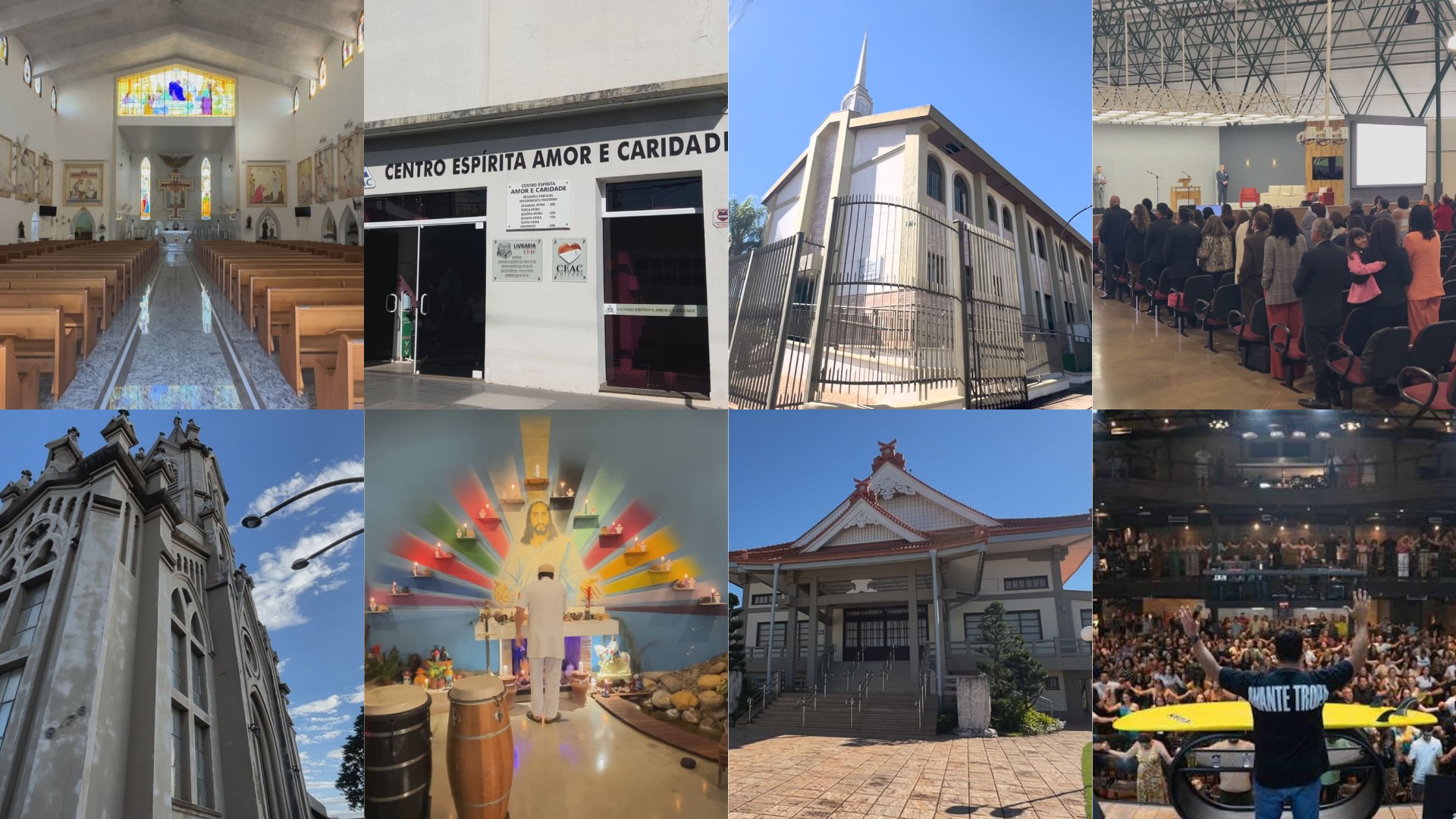
Bauru, São Paulo, known as the 'City Without Limits,' is celebrating its 130th anniversary, with its identity deeply shaped by a rich tapestry of religious beliefs. According to the 2022 IBGE Census, Roman Catholics constitute 43.94% of the population, followed by Evangelicals at 35.93%. Spiritists represent 3.77%, while religions of African matrix, such as Umbanda and Candomblé, account for 1.48%. Additionally, 6.59% adhere to various other beliefs, and 8.2% identify as non-religious. Professor Luís Fabiano highlights that the region's indigenous spiritual foundations, combined with historical economic development and migration, have fostered this diversity. The expansion of railways attracted people from various backgrounds, contributing to the city's pluralistic religious landscape. Currently, universities play a significant role in maintaining this diversity by attracting students with varied religious experiences. Despite doctrinal differences, interfaith dialogue, ecumenism, and social welfare initiatives are prevalent. The city's religious pluralism is seen as a positive force for its development, provided religious communities understand their role in social progress. Examples of this diversity include the historic Cathedral of the Holy Spirit, founded shortly after the city in 1897 and now the administrative seat of a diocese covering 14 municipalities, and the First Independent Presbyterian Church, a heritage-listed building completed in 1949. The Jehovah's Witnesses' Assembly Hall, established 26 years ago, serves as a regional hub, hosting thousands of faithful from over 113 cities during its annual congresses. The Church of Jesus Christ of Latter-day Saints also maintains a presence, originating from the United States.
Bauru's demographic data reveals a complex interplay of historical settlement patterns, economic development, and institutional influences in shaping its religious landscape. The significant presence of both traditional Catholic and burgeoning Evangelical communities, alongside smaller but distinct groups like Spiritists and Afro-Brazilian religions, illustrates a dynamic religious market. The role of universities in attracting diverse populations underscores how contemporary urban centers can become crucibles for religious pluralism. The narrative suggests that interfaith cooperation and social engagement are key to mitigating potential conflicts arising from diversity. Future challenges may involve ensuring equitable representation and resource allocation among various religious groups, particularly minority faiths, and navigating the evolving relationship between religious institutions and secular governance in an increasingly diverse society.
AI-generated to prompt reflection — not editorial opinion, not advice, not a statement of fact. How this works.