Bauru Bus Fare Rises 8.7% to R$6.25, City Boosts Subsidy
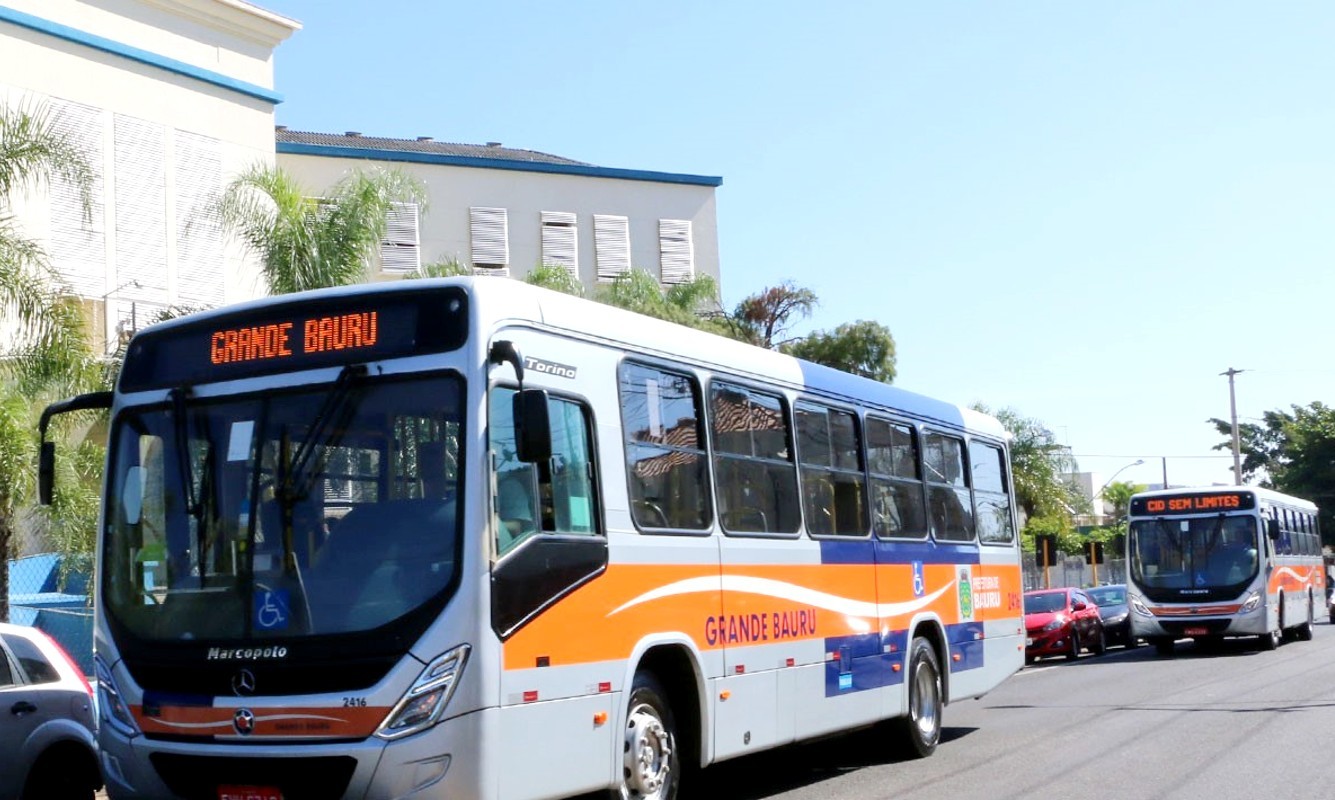
The Municipality of Bauru has announced an 8.7% increase in its urban bus fare, setting the new price at R$6.25, effective August. This adjustment was officially published on July 20th in the Official Gazette by the Municipal Urban and Rural Development Company (Emdurb) through Decree No. 19.518. The new fare will take effect 30 days after its publication, as mandated by law. Initially, calculations suggested the fare should rise to R$7.25. However, to mitigate the financial impact on passengers, the municipal administration decided to increase the subsidy for public transport. The subsidy per passenger has been raised from R$0.75 to R$1.00, bringing the municipality's total expenditure on this subsidy to nearly R$20 million, an increase authorized by the City Council. Emdurb stated that the fare revision adheres to technical criteria outlined in the public transport contract, considering operational cost variations such as fuel, labor, maintenance, parts, supplies, and fleet renewal. The new fare structure includes R$6.25 for cash or card payments. Student fares will be discounted by 50% with a card, with specific arrangements for those under and over 18 years old. Integration between lines remains free of charge. Senior citizens aged 60-64 registered, those 65 and older, and individuals with disabilities will continue to receive fare exemptions. Previously, a survey in April by TV TEM indicated that Bauru's bus fare was the third highest among cities in São Paulo state with up to 500,000 inhabitants, a time when users of two municipal lines also reported issues with overcrowded buses.
The Bauru municipality's decision to raise bus fares by 8.7% to R$6.25, while simultaneously increasing its subsidy to R$1.00 per passenger and projecting a R$20 million expenditure, reflects a common tension between operational cost recovery and public affordability in urban transit. The stated justification for the fare hike centers on technical criteria and rising operational expenses, including fuel and labor. However, the city's strategy of absorbing a portion of the increased costs through a higher subsidy suggests an awareness of the socio-economic implications of a steeper fare increase, particularly given Bauru's existing high fare ranking among comparable cities. This approach highlights a systemic challenge for public transport: balancing the need for financial sustainability with the mandate to provide accessible mobility, especially for lower-income residents. Future policy considerations might involve exploring diversified revenue streams or efficiency improvements to lessen reliance on fare hikes and subsidies, thereby enhancing long-term service viability and user equity in the face of evolving urban mobility demands.
AI-generated to prompt reflection — not editorial opinion, not advice, not a statement of fact. How this works.