Bauru Bus Fare Rises to R$6.25 Amidst Subsidy Increase and User Criticism
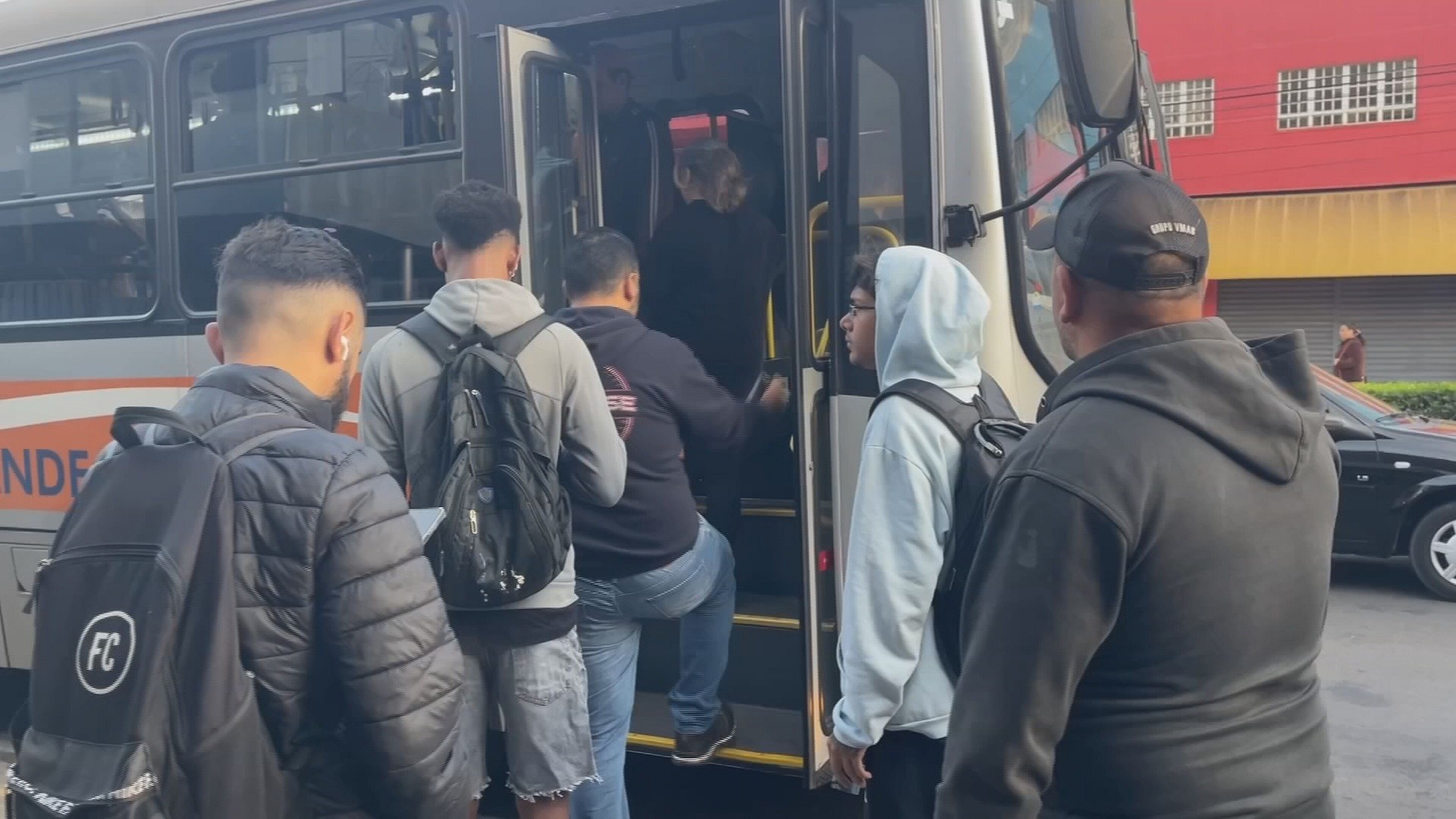
The bus fare in Bauru, São Paulo, will increase by 8.7% from R$5.75 to R$6.25 starting August 20th. Donizete do Carmo, president of Emdurb (Municipal Urban and Rural Development Company), stated that the adjustment was necessary to cover the system's operational costs, based on technical calculations by Emdurb's team. Despite a previous subsidy increase, the "technical fare" has been recalculated to R$7.50. To mitigate the impact on passengers, the city increased its subsidy per passenger from R$0.75 to R$1.25, raising the annual municipal expenditure to approximately R$20 million. Carmo clarified that the subsidy is intended to alleviate passenger costs, not to subsidize the operating companies directly, and that the municipality's budget limits further increases. He also noted that the subsidy increase and the fare adjustment are independent processes. The fare hike comes shortly after the City Council approved the increased subsidy, with the expectation that it would maintain the R$5.75 fare. The new fare structure includes discounted rates for students and continued fare exemption for seniors and individuals with disabilities. However, passengers have voiced strong criticism, citing precarious service conditions such as overcrowded buses, delays, and lack of air conditioning, alongside concerns about the financial burden of the fare increase. Emdurb acknowledged these issues, stating that a new public tender for the transport service is underway, which may include requirements for air-conditioned buses. With this adjustment, Bauru's bus fare is among the highest for cities in São Paulo with up to 500,000 inhabitants.
The fare increase in Bauru highlights a persistent tension between municipal budget constraints and the rising costs of public transportation, exacerbated by inflation and operational demands. While Emdurb cites technical calculations and the need to cover system costs, the timing of the announcement, following a subsidy increase, raises questions about financial planning transparency and public communication. The city's strategy appears to balance the municipal budget with passenger affordability, but the resulting fare places a significant burden on daily commuters, particularly those reliant on multiple bus routes. The criticism regarding service quality suggests a systemic issue where fare increases are not directly correlated with immediate improvements in infrastructure or service reliability. Future tender processes will be crucial in determining whether the city can attract investment for better services without further escalating fares, potentially requiring innovative funding models or a re-evaluation of service provision priorities in light of evolving urban mobility needs.
AI-generated to prompt reflection — not editorial opinion, not advice, not a statement of fact. How this works.