Bauru Experiences Over 2,700 Lightning Strikes During Intense Storm
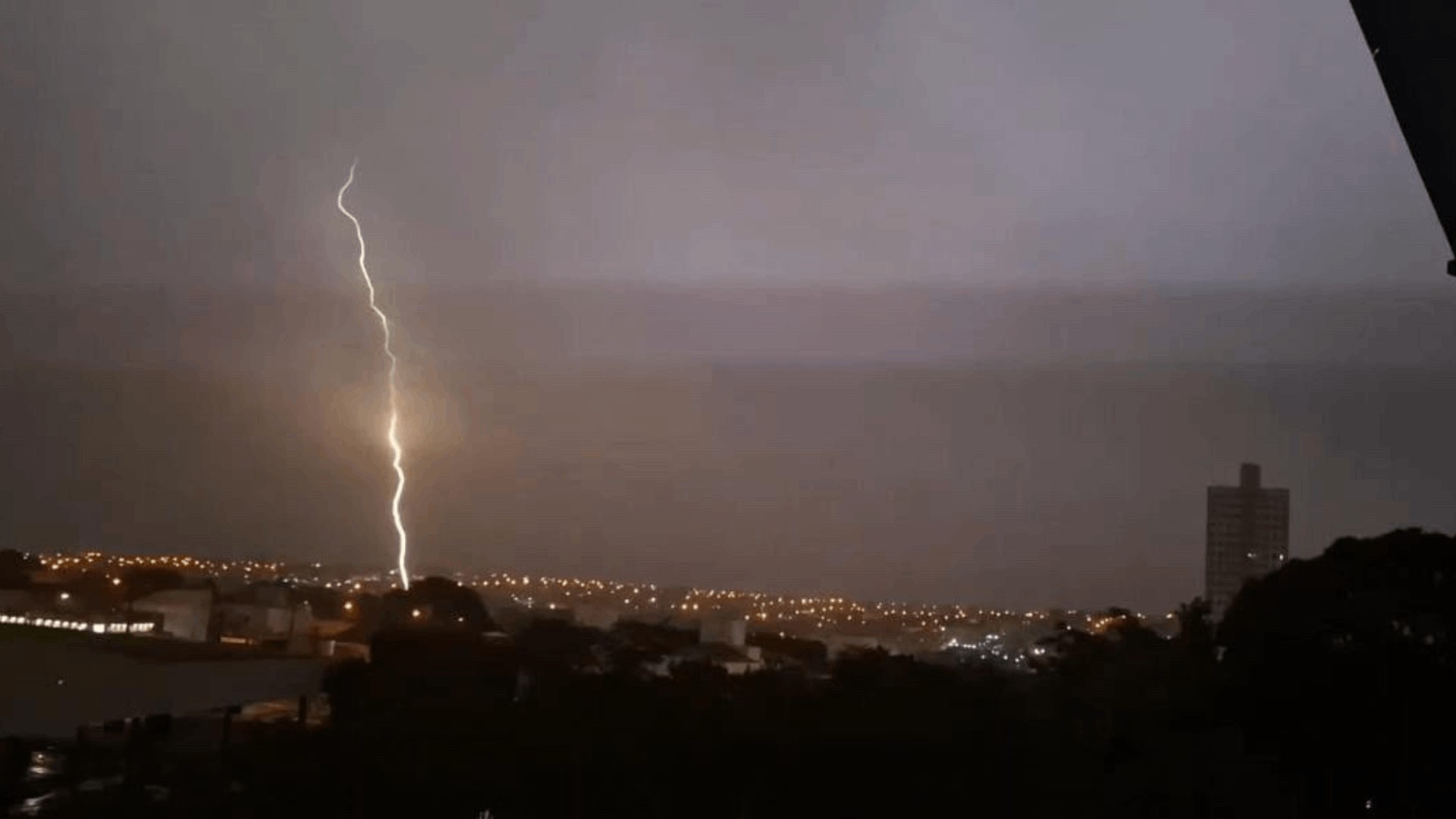
The city of Bauru, São Paulo, experienced a significant meteorological event early Saturday morning, November 25th, with the State Civil Defense reporting over 2,727 lightning strikes. This intense storm has affected the municipality and surrounding regions since Friday, November 24th. Videos captured by residents illustrate the sheer volume of lightning illuminating the sky during the tempest. According to the Meteorological Research Institute (IPMet) at Unesp Bauru, the city received 4.8 millimeters of rainfall by early Saturday afternoon. Despite the high number of lightning strikes, wind speeds were not particularly strong, resulting in minimal reports of fallen trees and branches, as confirmed by the city's prefecture. Municipal teams were deployed for street and avenue cleanup following the storm, with the Civil Defense continuing to monitor the situation. Some areas within Bauru experienced power outages. CPFL Paulista, the local energy company, stated that its teams were actively working to maintain the network and restore power supply. The forecast indicates continued rainfall through Saturday night, and residents are advised to remain in safe locations and avoid flooded areas. Emergency services can be reached via the Fire Department at 193.
The intense lightning activity in Bauru, while a natural phenomenon, highlights the city's vulnerability to severe weather events. The relatively low impact from wind, despite the high lightning count, suggests that infrastructure resilience against electrical discharge and subsequent power grid strain is a key concern. As climate patterns evolve, understanding and mitigating the risks associated with extreme weather, including effective power restoration strategies and public safety advisories during storms, will be crucial for urban planning and disaster preparedness in the coming decade. The event underscores the need for robust energy infrastructure and communication systems capable of withstanding and rapidly recovering from such atmospheric disturbances.
AI-generated to prompt reflection — not editorial opinion, not advice, not a statement of fact. How this works.