Bauru Health Department Launches New 20-Valent Pneumococcal Vaccine
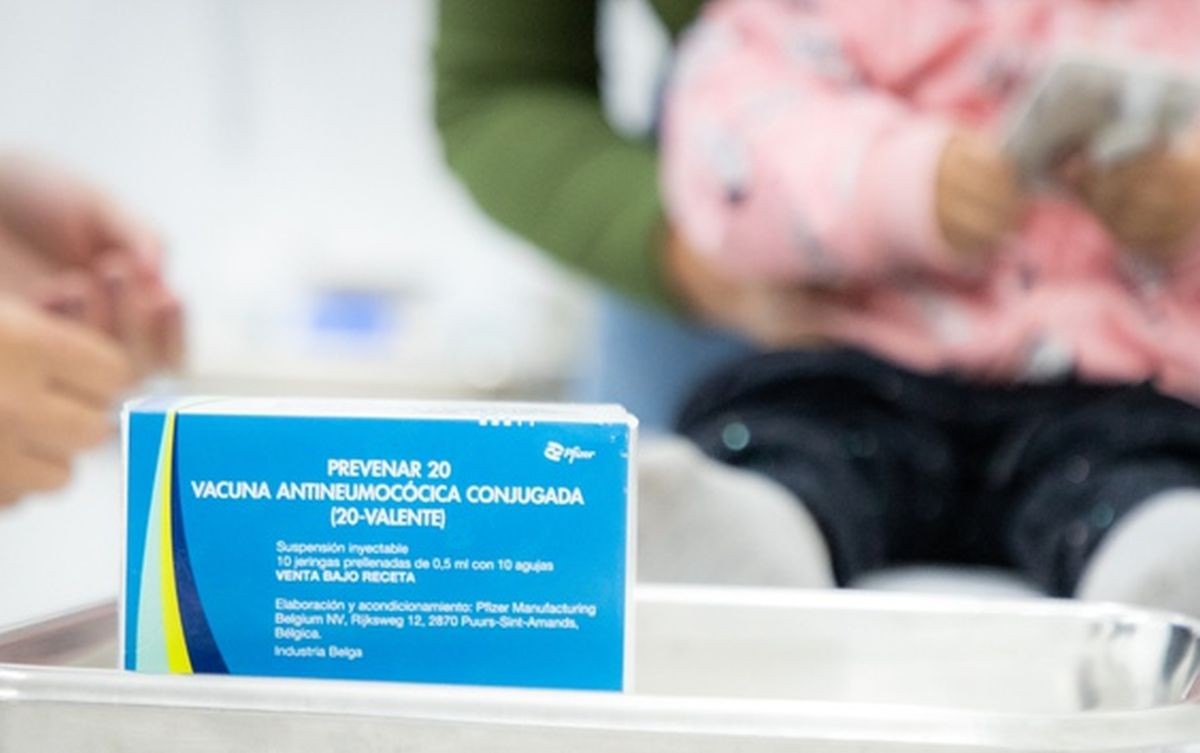
The Bauru Health Department in São Paulo began administering the 20-valent pneumococcal vaccine (P20) on Monday, June 6th. This new vaccine will be available at all Basic Health Units (UBSs) and Family Health Units (USFs) throughout the city. The P20 vaccine is now part of the National Vaccination Calendar, enhancing protection against pneumococcal disease by covering more serotypes of the Streptococcus pneumoniae bacteria, which can cause pneumonia, meningitis, otitis, and sepsis. The vaccine is recommended for children under five years old, with the number of doses depending on their previous P10 vaccine history. Premature infants are also eligible. Parents and guardians must bring their child's vaccination record to a UBS or USF for assessment. Based on the child's vaccination history and current recommendations, additional doses may be required. Camila Cury, supervisor of the Technical Immunization Section, emphasized the importance of bringing the vaccination booklet for proper evaluation and guidance on necessary doses. Vaccination will occur during the operating hours of each health unit, requiring the child's identification document and vaccination card. The Health Department stresses the importance of keeping vaccinations up-to-date for optimal child protection and the prevention of vaccine-preventable diseases. Specific vaccination sites and their operating hours are listed, with some units offering vaccinations until 9 PM and others until 6:30 PM or 4:30 PM.
The introduction of the 20-valent pneumococcal vaccine signifies a public health initiative to broaden protection against a wider spectrum of bacterial serotypes. This expansion in vaccine coverage aims to reduce the incidence of severe pneumococcal diseases, such as meningitis and sepsis, particularly in young children. From a public health systems perspective, integrating new vaccines into national calendars involves complex logistical planning, supply chain management, and public education campaigns to ensure equitable access and uptake. The strategy of tailoring vaccination schedules based on prior P10 receipt reflects an effort to optimize resource allocation and minimize unnecessary doses, while still ensuring comprehensive immunity. The long-term impact will be observable in reduced disease burden and healthcare costs associated with pneumococcal infections, aligning with global efforts to strengthen primary healthcare and disease prevention through advanced immunization programs.
AI-generated to prompt reflection — not editorial opinion, not advice, not a statement of fact. How this works.